
24/7 Customer Support

Free returns

Same-day & Next-day Delivery

Quality Guaranteed

Unlock Your Welcome Offers: FREE Delivery | Up to 80% OFF | Free 30-day JoyPlus trial
Download the APP
Choosing between menstrual products is not simply a matter of picking the most familiar pack on the shelf. Flow, fit, materials, routine and disposal all affect whether a product works well for your day-to-day life. A suitable option for a teenager at school may not be suitable for someone managing heavy flow overnight, travelling or looking for reusable period underwear.
A higher absorbency is not automatically the right choice. Using a tampon with more absorbency than your flow requires may feel uncomfortable and is not recommended. UK users should follow the product leaflet, select the lowest absorbency suitable for their flow and change tampons within the stated time.
For example, regular absorbency tampons are generally intended for lighter or moderate days, while heavy flow tampons may be more appropriate on particularly heavy days. Always check the pack’s absorbency guidance rather than relying only on labels such as “super” or “extra”.
Terms such as eco-friendly period care and sustainable menstrual hygiene can refer to different things. A product may reduce plastic through its applicator or wrapper, while still being disposable. Reusable products, such as menstrual cups and period pants, can reduce repeated purchases, but they require washing, drying and appropriate storage.
Check the complete materials list, disposal instructions, expected care routine and pack quantity. Organic cotton tampons may suit someone avoiding rayon, fragrances or dyes, whereas a reusable menstrual cup involves a different cleaning routine altogether.
A slim design does not necessarily mean adequate coverage, and attractive packaging does not tell you how a product will perform during movement or sleep. For sanitary pads and overnight period protection, compare length, wings, adhesive design and coverage. For period pants, measure against the manufacturer’s size guide and consider hip measurements rather than choosing your usual clothing size automatically.
Use your usual flow pattern as the starting point:
Replace disposable products according to the instructions and your own flow. Tampons should not be worn longer than the time stated on the packaging. Toxic Shock Syndrome (TSS) is rare but serious; read and retain the safety leaflet included with tampon packs.
Sensitive users may wish to compare fragrance-free, dye-free or chlorine-free options. Ingredients vary considerably: some tampons use cotton, while others contain viscose or a blend of fibres. Applicators may be plastic, cardboard or absent altogether.
For external products, inspect the topsheet and adhesive construction. A breathable surface can feel preferable during extended wear, but any product that causes persistent redness, itching or discomfort should be discontinued.
Reusable products can offer value over multiple cycles, but only when the care routine is realistic. A menstrual cup needs to be emptied, rinsed and sterilised as directed. A menstrual cup cleaning pot can be useful in shared accommodation, public toilets or while travelling, but check microwave instructions carefully and handle hot water safely.
Reusable period underwear should be rinsed and washed as directed. Avoid fabric softener or bleach where the instructions advise against them, as residues may affect absorbency.
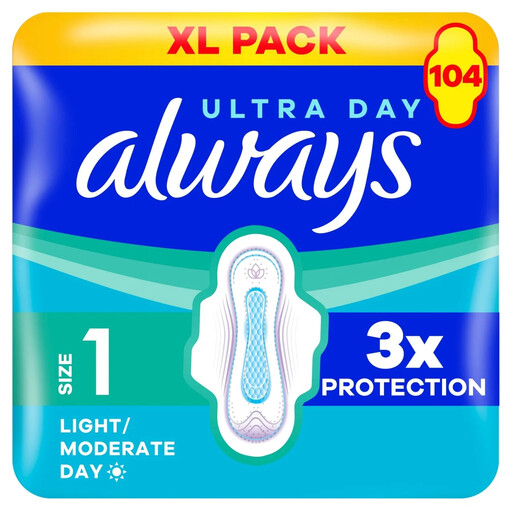
Why This Fits Their Persona: A large pack of daytime sanitary pads is practical for students, first-time buyers and households wanting a straightforward external option for regular flow.
The stated Normal Size 1 format makes the intended everyday use clearer than choosing by pack appearance alone.
Ultra-thin construction and a 104-pad quantity are useful for discreet daytime wear and regular restocking.
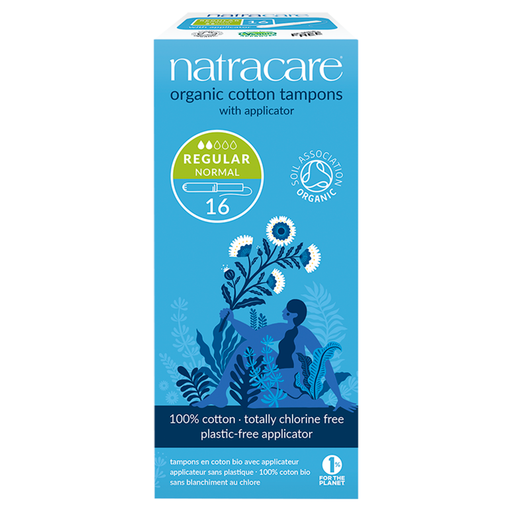
Why This Fits Their Persona: Suitable for users comparing organic cotton tampons and a cardboard applicator for regular-flow days, including commuters and office workers.
The listed materials are 100% organic cotton with a compostable cardboard applicator, so the construction is clearly stated.
The pack contains 16 regular tampons and uses an applicator made from compostable cardboard rather than plastic.
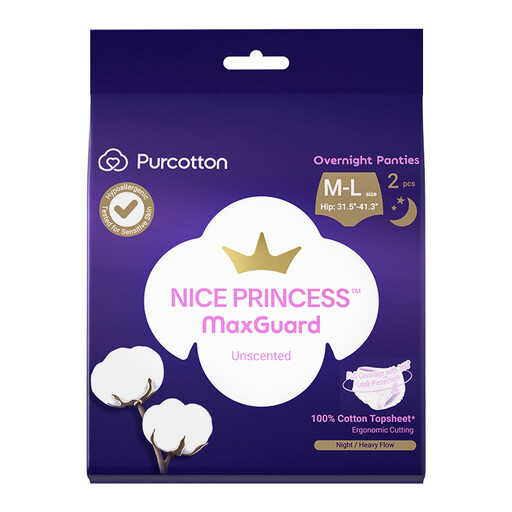
Why This Fits Their Persona: Designed for users seeking full-coverage overnight period protection, particularly on heavier-flow nights.
The M-L size and overnight design provide more useful information than selecting a standard daytime pad for sleeping.
The pull-on format includes a 100% cotton topsheet and a stated M-L fit range for overnight coverage.
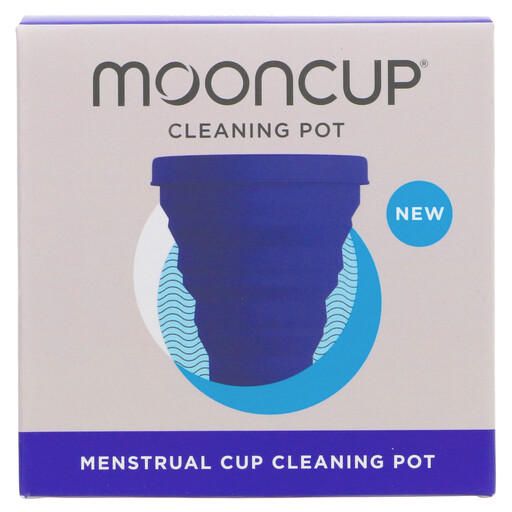
Why This Fits Their Persona: A practical accessory for menstrual cup users living in shared houses, travelling or managing cleaning away from home.
It is designed specifically for Mooncup Original and Mooncup Beginner models, reducing uncertainty about accessory compatibility.
The 100% medical-grade silicone pot supports Shake & Go, microwave and sterilising-fluid cleaning methods, with a collapsible design.
There is no single option for every teenager. Sanitary pads are often simple to use and do not require insertion. Smaller menstrual cups, such as a teen-sized design, may suit someone comfortable learning a reusable routine. Tampons should be used only according to the instructions, with the lowest suitable absorbency and regular changes.
Lifespan depends on washing, drying and frequency of use. Follow the care label, rinse period pants in cold water after use and avoid products such as fabric softener if the manufacturer advises against them. Some products provide a specific wash-use expectation, but this should not be treated as a universal guarantee for every pair.
A menstrual cup can reduce the need to buy disposable period products each month, but the initial cost and cleaning requirements should be considered. You may also need a menstrual cup cleaning pot or another suitable sterilising method. Choose a cup only if you can follow its hygiene instructions consistently and comfortably.