
24/7 Customer Support

Free returns

Same-day & Next-day Delivery

Quality Guaranteed

Unlock Your Welcome Offers: FREE Delivery | Up to 80% OFF | Free 30-day JoyPlus trial
Download the APP
Choosing menstrual products can become confusing when packaging focuses on phrases such as “maximum protection”, “natural comfort” or “all-day freshness”. These descriptions do not always explain the details that matter during a commute, overnight sleep, travel or a heavy-flow day.
The right choice depends on absorbency, fit, materials, intended use and replacement guidance. Whether you are comparing sanitary pads, regular-absorbency tampons, organic cotton tampons or washable period pants, checking the specification is more useful than relying on promotional wording.
A higher absorbency rating is not automatically more suitable. Tampons should be used at the lowest absorbency appropriate for your flow, and changed according to the instructions supplied with the product. Using an unnecessarily high absorbency can be uncomfortable and may increase health risks associated with tampon use.
For sanitary pads, look beyond labels such as “day and night”. Check the actual length, wing design and whether the product is intended for normal, medium or heavier flow.
A breathable outer layer may help reduce a warm or bulky feeling, but comfort also depends on the top sheet, adhesive, shape and how often the product is changed. If you have sensitive skin, compare the materials and consider fragrance-free options. Stop using a product if it causes persistent redness, itching or irritation.
Organic cotton, compostable wrappers and reusable designs can support more sustainable period care, but the full picture includes packaging, washing, disposal and how long a reusable product lasts. A washable product may reduce single-use waste, but it requires regular rinsing, washing and drying. Disposable products may be more practical for travel or situations without reliable laundry access.
Use the product’s stated absorbency category and size as a starting point:
Change pads and tampons regularly. Tampon packaging commonly advises changing every 4–8 hours, or sooner when saturated. Some higher-absorbency products provide a shorter recommended interval, so read the enclosed leaflet and product packaging.
A sanitary pad that is too short may allow front or back leakage, while one that is too wide may feel uncomfortable. Look for measurements such as 240mm, “long” or a numbered size, but remember that sizing is not fully standardised across brands.
For disposable underwear and washable period pants, measure your hips and compare them with the seller’s size chart. A close but comfortable fit helps the absorbent gusset stay in the intended position. Do not assume your usual clothing size will provide the correct fit.
Check whether the product contains fragrance, dyes, plastics, rayon, viscose or organic cotton, depending on your preferences. “Cotton” may refer only to the surface layer rather than the complete product, so read the materials list carefully.
For washable period pants, check the recommended wash temperature, whether fabric softener or bleach should be avoided, drying instructions and the stated number of washes. For disposable products, do not flush pads, tampons or disposable underwear down the toilet unless the packaging specifically states otherwise; household plumbing is not designed for most of these items.
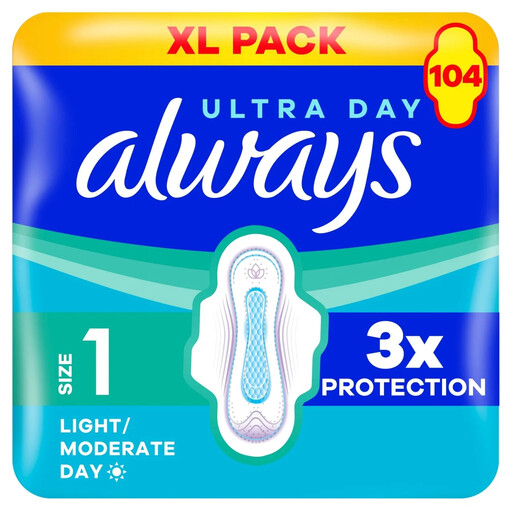
Why This Fits Their Persona: The large 104-pad pack suits people who use normal-flow sanitary pads regularly and want to plan household supplies in advance.
The pack states its Size 1 normal-flow format, making it easier to match the product with daytime use instead of paying for an unsuitable higher-coverage design.
Ultra-thin construction; 104 individually supplied pads for regular household use.
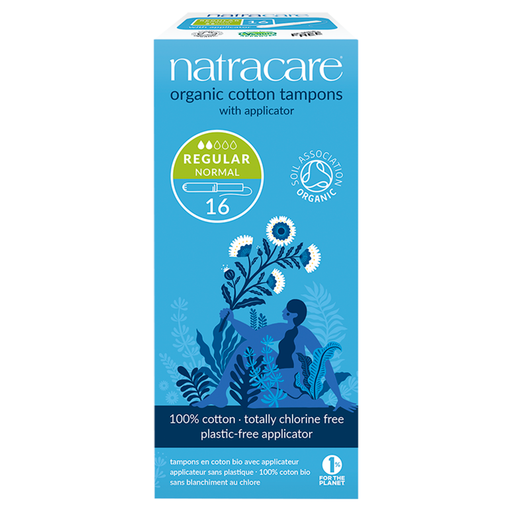
Why This Fits Their Persona: A considered option for shoppers who prioritise organic cotton and a plastic-free applicator for regular-flow days.
The product description specifies 100% organic cotton and a compostable cardboard applicator, rather than using “natural” wording without material detail.
Regular absorbency; plastic-free cardboard applicator; fragrance-free product description.
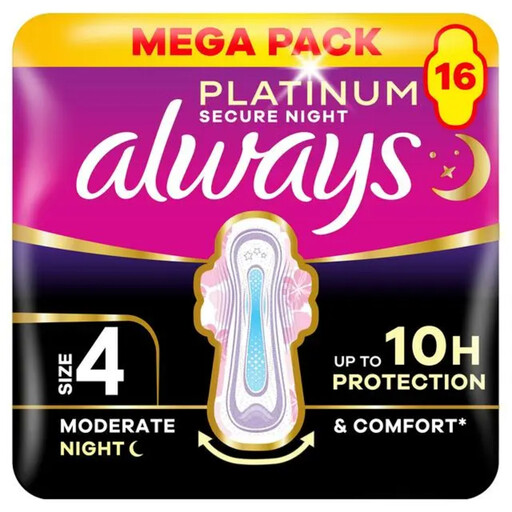
Why This Fits Their Persona: Designed for people who need longer coverage during sleep or on medium-to-heavy flow nights.
Its stated Size 4 night format and wings address the common problem of using a short daytime pad while sleeping.
Extra-long overnight design; winged construction; pack contains 16 pads.
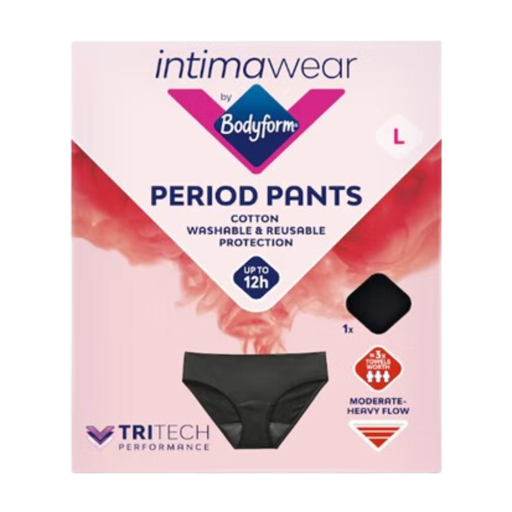
Why This Fits Their Persona: Suitable for shoppers interested in reusable protection for light to moderate flow and prepared to follow a washing routine.
The care instructions explain cold rinsing, a 40°C machine wash and avoiding fabric softener or bleach, so ongoing maintenance is clear before purchase.
Reusable cotton period pants; designed for light to moderate flow; air drying is recommended.
We have compiled a complete, real-time list of products that fully satisfy these strict selection criteria and UK safety regulations.
Follow the instructions on the packaging and change products before they become saturated. Tampons are commonly changed every 4–8 hours, but the appropriate interval depends on absorbency and flow. Pads and period pants should also be changed regularly to maintain comfort and hygiene.
They may reduce repeat purchases because they can be washed and reused, but the overall cost depends on the number of pairs owned, washing frequency, drying time and product lifespan. Check the care instructions and stated wash guidance before comparing them with disposable products.
Individually wrapped tampons, sanitary pads and disposable underwear are convenient when laundry facilities are unavailable. For longer trips, consider packing more products than your estimated daily requirement, along with a discreet disposal bag. Always keep products dry and stored in their original packaging where possible.