
24/7 Customer Support

Free returns

Same-day & Next-day Delivery

Quality Guaranteed

Unlock Your Welcome Offers: FREE Delivery | Up to 80% OFF | Free 30-day JoyPlus trial
Download the APP
A merino wool beanie can be a practical choice for British winter weather, whether you are commuting in Manchester, walking in the Highlands or heading to the ski slopes. Merino fibres are commonly selected for their soft feel, natural insulation and ability to handle moisture more comfortably than some heavier winter fabrics.
However, product listings do not always make the important differences clear. A “warm winter beanie” may be a thin single layer, while a “100% merino wool hat” may still have a separate polyester lining. Before buying, check the fibre composition, measurements, construction and care instructions rather than relying on broad marketing language.
A product described as “merino” is not necessarily made entirely from merino wool. Blends may include polyester, acrylic, nylon or cotton. This is not automatically a drawback, but it affects breathability, texture, warmth and care requirements.
Look for the exact composition. Under UK textile labelling rules, fibre content should be stated clearly, so a listing that only says “wool beanie” provides less useful information than one specifying 100% merino wool or a precise blend percentage.
Thickness alone does not tell you how a hat will perform. A double-layer knit can provide more insulation than a lightweight single layer, while a fleece-lined beanie adds a separate polyester fleece layer for extra coverage. On the other hand, a thick hat may feel too warm during running or uphill hiking.
Consider your activity and the rest of your clothing. A breathable wool hat may be more comfortable for commuting and walking, whereas a fleece-lined style may suit stationary outdoor use in colder conditions.
Stretchy hats are not one-size-fits-all. An overly tight cuff can feel uncomfortable, while a loose fit may leave gaps around the ears. Check the head circumference in centimetres and inches before ordering.
Merino wool also needs suitable care. Several relevant products list hand wash only instructions. Machine washing, tumble drying or hanging a wet knitted hat can affect its shape, so buyers should follow the supplied care label.
For a natural-fibre option, look for 100% merino wool in the fabric specification. Merino wool is associated with warmth, softness and moisture management, but the actual feel also depends on the knit and finish.
If you choose a fleece-lined beanie, check whether the listing separates the outer and lining materials. For example, some styles use a 100% fine merino wool outer with a 100% polyester fleece lining. This construction may provide a warmer feel, but it is not the same as a 100% merino wool hat throughout.
A double-layer knit can offer additional coverage for cold-weather commuting and outdoor activities. A cuffed beanie, watch cap or fisherman beanie can also be worn in different ways, depending on the length and shape.
Short fisherman designs typically sit closer to the crown and may be worn cuffed or uncuffed. Longer watch-cap styles can offer more coverage around the ears. Check product photos and descriptions carefully, as similar names can describe noticeably different silhouettes.
Useful measurements for the listed styles include:
A hat intended for skiing or snowboarding should sit securely without restricting comfort. For everyday wear, allow enough stretch for your hairstyle and avoid choosing a smaller size simply to achieve a closer fit.
The following products are matched to different shopping priorities rather than ranked universally.
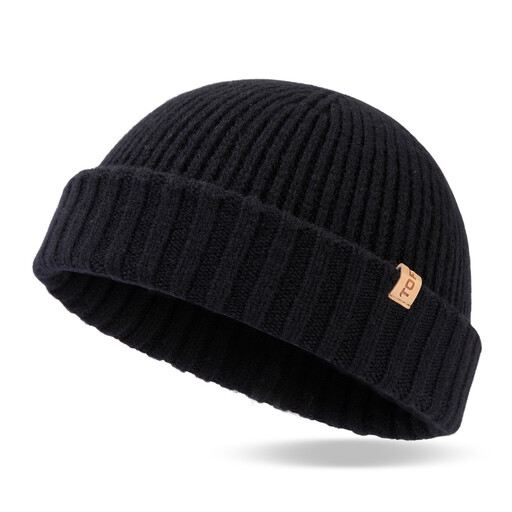
Why This Fits Their Persona: A straightforward everyday option for UK commuters, students and shoppers wanting a short fisherman style in a neutral colour.
The listing specifies 100% merino wool, two size groups and hand-wash care rather than leaving composition and fit vague.
100% merino wool; elastic fit; can be worn cuffed or uncuffed; available in M/L and XL/XXL.
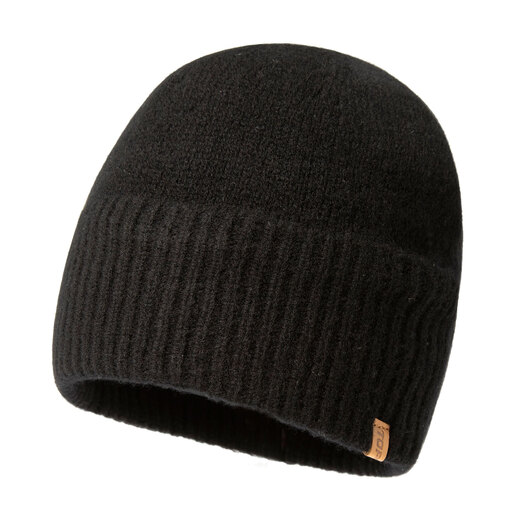
Why This Fits Their Persona: Suitable for shoppers prioritising a layered construction and a classic black hat for daily winter outfits.
The description identifies a double-layer 100% merino wool construction and provides head measurements, helping distinguish structure from generic “thick” claims.
Double-layer knit; cuffed watch and fisherman styling; M/L fits approximately 56–60 cm; hand-wash care.
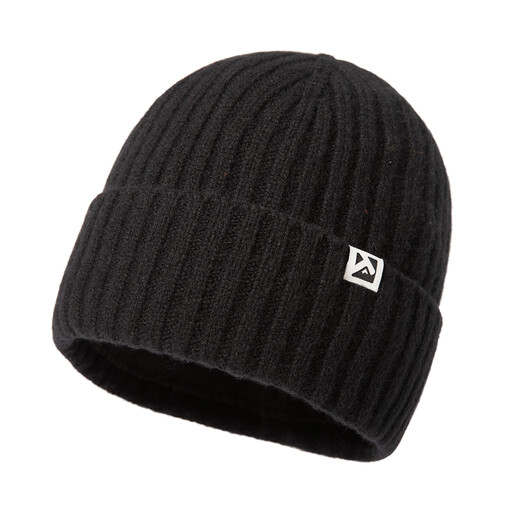
Why This Fits Their Persona: Designed for people spending longer periods outdoors, including hikers, skiers and snowboarders who want additional lining.
The listing separates the 100% merino wool outer from the 100% polyester fleece lining, so the construction is clearer than an unqualified “merino” description.
Microfleece lining; three wearing options; M/L and XL/XXL sizing; hand-wash instructions.
We have compiled a complete, real-time list of products that fully satisfy these strict selection criteria and UK safety regulations.
It can be suitable for cool-weather running because merino wool is commonly used in breathable, moisture-managing clothing. Choose a lighter or single-layer design if you generate substantial heat. A fleece-lined beanie may feel more appropriate for slower-paced activities or very cold conditions.
Check the individual care label first. The beanies listed above specify hand wash only. Avoid tumble drying and dry the hat flat after gently removing excess water. These steps help reduce the risk of stretching or shrinkage.
Lifespan depends on wear frequency, friction, washing and storage. Rotating between hats, following the care instructions and avoiding contact with rough surfaces can help preserve the knit. Inspect the cuff, seams and crown periodically, particularly if the hat is used for skiing, hiking or other high-movement activities.