
24/7 Customer Support

Free returns

Same-day & Next-day Delivery

Quality Guaranteed

Unlock Your Welcome Offers: FREE Delivery | Up to 80% OFF | Free 30-day JoyPlus trial
Download the APP
A 100% merino wool beanie hat can be a practical choice for commuting, everyday winter wear and outdoor activities. However, product listings often use similar terms for very different constructions. A thin acrylic cap, a merino-blend hat and a fleece-lined wool beanie may all appear under searches for a “warm winter hat”.
Before buying, check the fabric composition, head measurements and care instructions rather than relying on phrases such as “thermal”, “arctic” or “extreme warmth”. These details have a greater effect on comfort, durability and suitability for UK conditions.
Some beanies have a 100% merino wool outer shell but a polyester fleece lining. This is not the same as a hat made entirely from merino wool. A fleece-lined beanie may feel warmer and softer against the head, while a double-layer merino wool hat offers a more consistent natural-fibre construction.
Read the full material breakdown, including the lining. If the listing only states “merino wool” without a percentage or lining detail, there may be a blend or synthetic interior.
A cuffed watch cap or short fisherman hat may have a stretchy opening, but stretch does not replace accurate sizing. A hat that is too tight can feel uncomfortable during a long commute, while an oversized beanie may shift during running, hiking or skiing.
Measure around the widest part of your head, above the eyebrows and ears. Compare that measurement with the seller’s stated range. This is particularly important when shopping for a large-size beanie.
Merino wool normally needs more careful handling than synthetic knitwear. Several of the products considered here specify hand washing only. Machine washing, tumble drying, ironing or bleach can affect the shape and feel of the fibres.
A low-maintenance polyester hat may suit frequent washing, whereas a moisture-wicking wool hat can be suitable for regular cold-weather use if you are prepared to follow the care label.
For a genuine 100% merino wool beanie hat, look for “100% merino wool” in the fabric specification, not only in the product title. Merino wool is naturally insulating and can help move moisture away from the skin during moderate activity. It is not waterproof, so a wool beanie should not be treated as a replacement for waterproof outerwear.
For colder conditions, compare:
A fleece lining can be useful for skiing, snowboarding, sledding and standing outdoors. For indoor-to-outdoor commuting, a double-layer wool construction may offer a balanced option.
The listed products provide measurements in centimetres and inches. Common ranges include:
Always check the individual product page because size ranges differ between styles. A men’s and women’s beanie description generally refers to the unisex styling, not a universal measurement. Hair volume, preferred cuff position and whether you wear a thin layer underneath can also affect fit.
A fisherman beanie usually has a shorter crown and may sit above or around the ears. A cuffed watch cap has a folded brim that can provide extra coverage and structure. Some designs can be worn as a skull beanie, cuffed cap or short fisherman hat by changing how the brim is folded.
For an outdoor winter hat, prioritise ear coverage and a secure elastic fit. For casual clothing, colour and crown shape may matter more. Black, grey, navy and army green beanie options are easy to coordinate with coats and outdoor jackets.
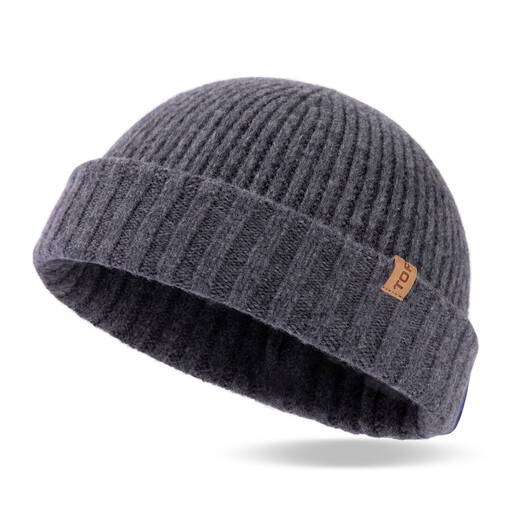
Why This Fits Their Persona: A straightforward M/L option for shoppers wanting a compact everyday hat for UK commutes, casual wear and lighter outdoor use.
The listing specifies 100% merino wool, two size ranges and hand-wash care, avoiding vague blend and sizing information.
100% merino wool construction; can be worn cuffed or uncuffed; grey suits a range of winter clothing.
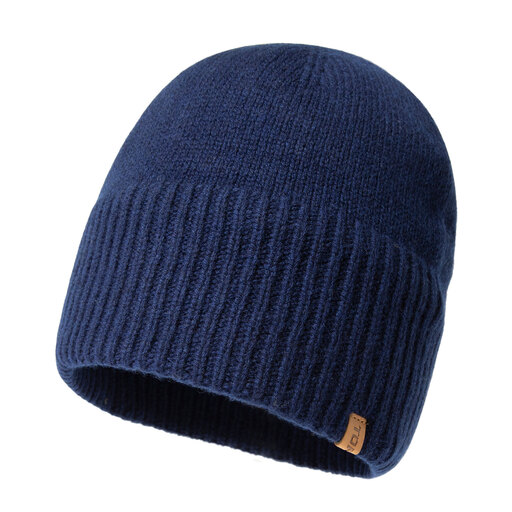
Why This Fits Their Persona: Suitable for shoppers prioritising a soft inner feel and double-layer construction for colder daily wear.
The product information identifies the double-layer 100% merino wool fabric, elastic fit and separate M/L and XL/XXL measurements.
Double-layer merino wool; navy colour; cuffed watch-cap and fisherman styling.

Why This Fits Their Persona: A practical option for skiing, snowboarding, running, hiking and other activities where a fleece-lined interior and secure fit are useful.
The outer fabric and polyester fleece lining are clearly stated, with M/L and 2XL sizing and hand-wash instructions.
Microfleece lining; three wearing styles; black colour and a larger 2XL option.
We have compiled a complete, real-time list of products that fully satisfy these strict selection criteria and UK safety regulations.
Hand wash the beanie according to its label, typically using cool or lukewarm water. Avoid wringing, bleach, ironing and tumble drying unless the product instructions specifically permit them. Reshape it while damp and allow it to dry naturally.
For hiking, hunting or snow sports, combine the hat with appropriate layers and weather protection. A wool beanie can provide warmth and moisture management, but it is not automatically certified personal protective equipment or a substitute for a helmet where one is required.
It can be suitable for cold-weather running because merino wool can help manage moisture while providing insulation. Choose a secure elastic fit and avoid a very bulky lining if you generate substantial heat. For snow or strong wind, a fleece-lined design may feel more comfortable.
Lifespan depends on wear frequency, friction, washing and storage. Gentle hand washing, natural drying and avoiding rough surfaces can help preserve the knit. Inspect the cuff and crown periodically for stretching, thinning or pilling.
Not necessarily in every situation. A fleece lining adds a soft synthetic interior and is designed for extra warmth, while double-layer merino uses two wool-knit layers. Compare the construction, fit and intended activity rather than assuming one description guarantees a particular temperature performance.