
24/7 Customer Support

Free returns

Same-day & Next-day Delivery

Quality Guaranteed

Unlock Your Welcome Offers: FREE Delivery | Up to 80% OFF | Free 30-day JoyPlus trial
Download the APP
Choosing a Merlot red wine for a weekday meal, dinner party or gift should be straightforward. Yet labels and promotions can make similar bottles appear very different. A low price may hide a small format, while phrases such as “smooth” or “easy-drinking” do not always explain the wine’s origin, alcohol strength or food compatibility.
This guide helps UK shoppers compare Merlot wine, check practical bottle information and avoid common buying mistakes before ordering.
A standard red wine 75cl bottle contains 750ml, while a 187ml bottle is intended as an individual serving. A case deal may offer a lower price per bottle, but it also requires suitable storage and a realistic plan for consumption.
Before comparing prices, check:
A smaller bottle such as I Heart Merlot 187ml can suit picnics, packed lunches or occasions where a full bottle is unnecessary. It should not be compared directly with a 75cl bottle on headline price alone.
Terms such as “smooth”, “velvety” and “rich” are useful style indicators, but they are not regulated quality ratings. A smooth red wine usually has softer-feeling tannins, while a medium-bodied red wine normally sits between lighter and fuller styles in weight and intensity.
Look for specific tasting information instead:
These details offer more practical guidance than broad promotional statements.
Most wines contain sulphites, which must be considered by people with a sulphite sensitivity. Check the product page and physical label for “contains sulphites” or “sulphur dioxide”.
Alcohol is also important when planning a meal or gathering. The featured products range from 11% to 14.5% ABV. UK guidance states that adults should not regularly exceed 14 units per week. Always check the stated units, drink responsibly and do not drink if under 18, pregnant or planning to drive.
Merlot is generally associated with ripe fruit flavours and approachable tannins, but climate and winemaking influence the final style.
A bottle labelled Merlot may also contain other grape varieties, so check the ingredients. For example, Chateau Carbonneau Cuvée classique combines Merlot and Cabernet Sauvignon rather than being a single-variety wine.
ABV affects both flavour perception and total alcohol intake. The products listed range from:
The stated units may vary by product. Use the label as the final reference, particularly if product information or vintage details change.
Store unopened wine in a cool, dark place away from heat and direct sunlight. A cork-sealed bottle is generally stored horizontally, while screw-cap bottles can be stored upright.
For serving:
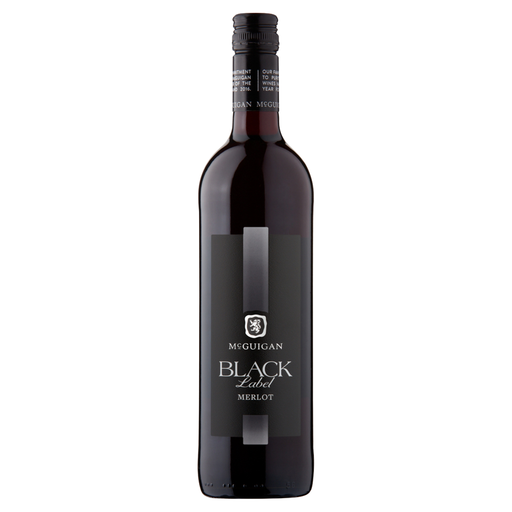
Why This Fits Their Persona: A practical Australian Merlot for weekday meals, casual entertaining and shoppers who want a familiar 75cl format without selecting a more structured French blend.
The listing identifies the 75cl size, 12.5% ABV, 9.4 UK units per bottle and sulphites, making key purchase details easier to compare.
Soft red-fruit, cherry and sweet-spice tasting notes; suitable for vegetarians and vegans according to the listing.
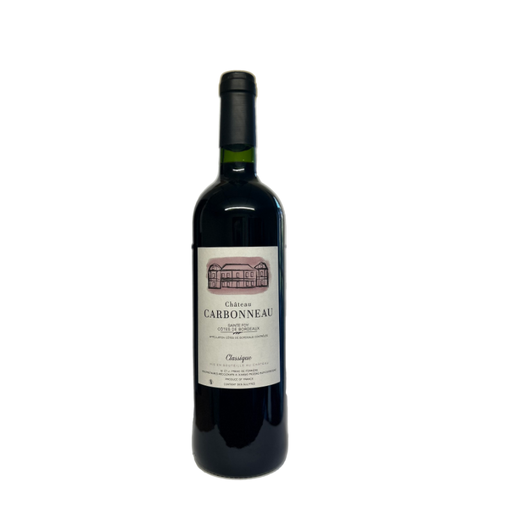
Why This Fits Their Persona: A French Bordeaux-style blend for dinner hosts or gift buyers seeking a more structured bottle with identifiable regional character.
The listing clearly states the Merlot and Cabernet Sauvignon blend, 14.5% ABV and 10.88 UK units per bottle rather than presenting it as a single-grape Merlot.
Black-fruit, vanilla, spice and cedar notes; suitable for grilled red meat, braised dishes and mature cheese.
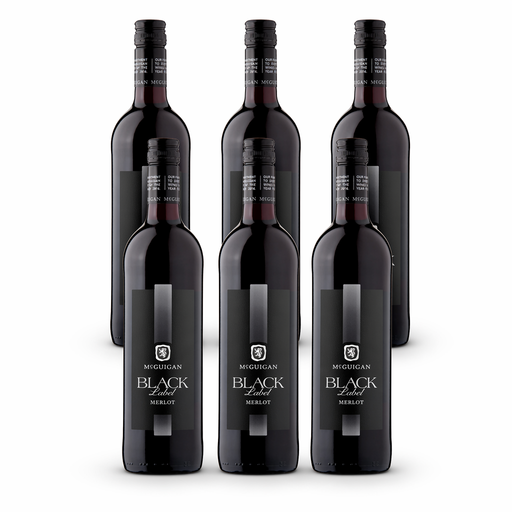
Why This Fits Their Persona: A case format for regular hosts, shared meals and shoppers who want several matching bottles available for gatherings.
A case deal makes the quantity clear, while the listing also provides the bottle size, 12.5% ABV, UK units and storage guidance.
Medium-bodied style with red fruit, cherry, spice, vanilla and cedar notes; pairs with roast beef and lentil or white-bean stew.
We have compiled a complete, real-time list of products that fully satisfy these strict selection criteria and UK safety regulations.
A versatile red wine for dinner should complement the meal without overwhelming it. Try these combinations:
Serve slightly below typical room temperature if the room is warm. This can help preserve freshness and prevent the alcohol from dominating the flavour.
Merlot is often associated with soft tannins and ripe fruit flavours, making it an approachable choice. However, body and texture vary by country, blend, alcohol level, oak ageing and winemaking style. Check the tasting notes rather than relying on the grape name alone.
Follow the product label. Many listings advise resealing, refrigerating and drinking within two days, while some allow approximately three to five days. The wine may lose freshness after opening, particularly if it is stored warm or left without a secure closure.
It can be useful when you regularly serve wine and have appropriate storage space. Compare the total case price with the per-bottle cost, check the exact number of bottles and confirm that the style suits your usual meals. A smaller mixed purchase may be more suitable if you rarely open wine or want to try different origins.