
24/7 Customer Support

Free returns

Same-day & Next-day Delivery

Quality Guaranteed

Unlock Your Welcome Offers: FREE Delivery | Up to 80% OFF | Free 30-day JoyPlus trial
Download the APP
Navigating the wine aisle can be a confusing task. You are looking for a reliable bottle of Merlot red wine for a mid-week dinner or a casual get-together, but you are met with a wall of flashy labels and vague descriptions. It is easy to feel overwhelmed and end up with a wine that does not live up to its promise or your expectations.
As a Joybuy Product Recommendation Officer, my role is to help you see past the marketing clutter. Many shoppers fall into common traps, such as choosing a bottle based solely on an attractive label or a "special offer" tag, only to be disappointed by a harsh or flavourless wine. Another frequent pitfall is assuming all Merlots taste the same, leading to a poor pairing with your meal. This guide will provide you with the essential knowledge to select a bottle with confidence, ensuring you get a wine you will genuinely enjoy.
Before you buy red wine online, focusing on a couple of key characteristics will dramatically improve your selection. Forget the confusing jargon; these are the practical details that actually affect what is in your glass.
The most significant factor influencing a Merlot's taste is where it comes from. This is more important than almost any other detail on the label.
When people say they want a smooth red wine, they are usually referring to two things: body and tannins.
For a dependable all-rounder, a medium-bodied Merlot with soft tannins from a New World region is often a reliable starting point. It is this profile that makes it such a fantastic red wine for pasta, pizza and roasted chicken.
Instead of a generic list, we have matched some dependable options to specific, everyday situations.
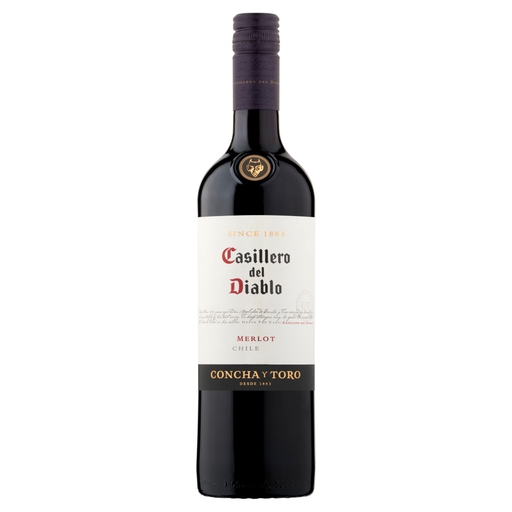
Why This Fits Their Persona: This is for the person who wants a reliable, no-fuss bottle to go with Tuesday night's spaghetti bolognese or Friday's pizza. They value consistency and a wine that is enjoyable without needing deep analysis.
It sidesteps the "unknown label gamble." As a well-established Chilean brand, it delivers a consistent, fruit-forward profile bottle after bottle, removing the guesswork.
A smooth, well-balanced profile with a satisfying finish. It is exceptionally versatile and a classic choice as a red wine for pasta and grilled dishes.
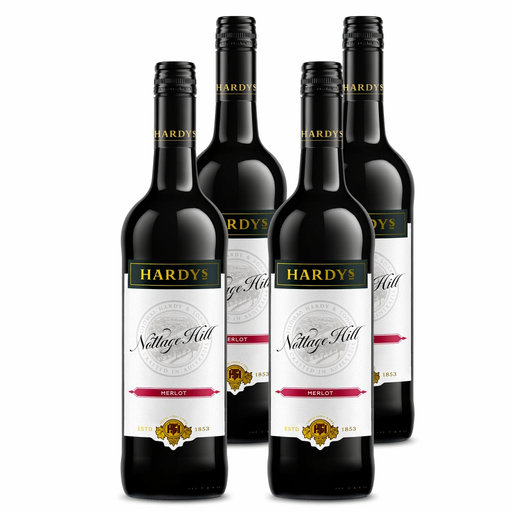
Why This Fits Their Persona: For the household that enjoys a glass of red regularly and wants to be prepared. They look for value and convenience, preferring to have a reliable supply on hand for any occasion.
This directly counters the pitfall of paying more per bottle by buying individually. A merlot wine case deal secures a dependable wine at a more economical price point.
This is a cost-effective way to stock up on a classic Australian merlot. Its smooth, fruity character makes it a crowd-pleaser for impromptu guest visits or regular evening meals.
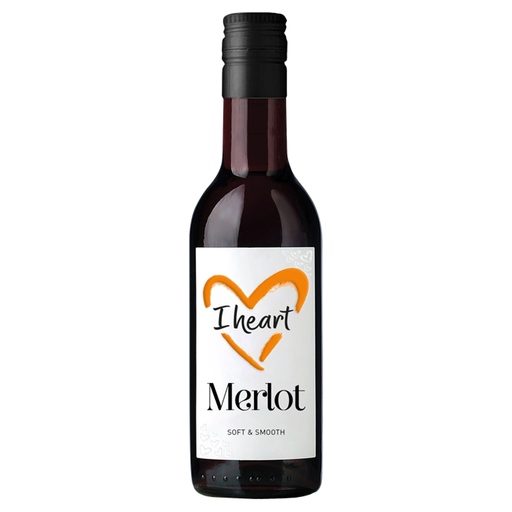
Why This Fits Their Persona: Perfect for someone who enjoys a single glass of wine with dinner but does not want to commit to a full bottle. Also ideal for picnics or occasions where convenience is key.
It prevents the waste and quality degradation that comes from having an open 75cl bottle sitting around for days. You get a fresh glass every time without the pressure to finish a whole bottle.
Ultimate convenience in a single-serving format. The wine itself is designed to be easy-going and approachable, making it a simple, no-fuss choice.
We have compiled a complete, real-time list of products that fully satisfy these strict selection criteria and UK safety regulations.
While you would not chill it like a white wine, serving Merlot slightly below room temperature can enhance its flavours. Aim for around 16-18°C. In a warm UK home, popping it in the fridge for 15-20 minutes before you pour can make a noticeable difference, helping to balance the alcohol and fruit notes.
Once opened, a bottle of Merlot will typically stay fresh for 2-3 days. To prolong its life, you should re-cork it tightly (or use a wine stopper) and store it in the fridge. The cooler temperature slows down the oxidation process that causes the wine to lose its fresh fruit flavours.
Think of them as cousins with different personalities. Merlot is generally softer, fruitier and has smoother tannins, making it more immediately approachable. Cabernet Sauvignon is typically more structured, with firmer tannins and often has notes of blackcurrant, green bell pepper and cedar. If you prefer a bolder, more robust red, you might enjoy Cabernet, but for a reliably smooth and versatile option, Merlot is an excellent choice.