
24/7 全天候客户支持

免费退货

当日/次日达

品质保障

开启新人专享福利: 全场免邮 | 低至 2 折 | 免费试用 30 天 JoyPlus 会员
下载 Joybuy
For any UK paper craft enthusiast, finding the right tools can be the difference between a joyful creative session and a frustrating afternoon of torn paper and wasted cardstock. When it comes to adding intricate, professional-looking shapes to your projects, metal cutting dies are an essential part of your toolkit. Yet, the market is flooded with options, and it's easy to end up with a collection of dies that bend, cut poorly or simply don't work with your machine.
As the Joybuy Product Recommendation Officer, my role is to help you navigate these choices. We'll look at the common pitfalls that lead to disappointing purchases and highlight the key features that genuinely matter, ensuring your next set of scrapbooking dies or die cuts for card making is a worthy addition to your craft box.
Before adding another die to your basket, be aware of these frequent issues that can turn a promising tool into a drawer-filler.
To avoid these problems, focus on a few non-negotiable technical aspects. This will help you select durable and effective craft dies and embossing stencils that deliver consistent results.
Material: The Importance of Carbon Steel The material of the die is paramount. Look for dies specified as being made from 100% carbon steel. This material offers the necessary hardness to maintain a sharp cutting edge over hundreds or even thousands of uses. It resists bending and ensures the die can handle a variety of materials, from vellum to light chipboard, making it a versatile paper craft punch tool.
Etching and Edge Detail A quality die is not simply stamped out of metal; it is chemically etched to create a raised, sharp cutting edge. A deeper etch results in a cleaner cut because it can slice through paper fibres more effectively. When looking at a die, a visibly defined and sharp-looking edge is a good indicator of its potential performance, especially for intricate designs like flower die cuts or delicate lace patterns.
Dimensions and Machine Compatibility Always check the physical dimensions of the die, not just the size of the shape it cuts. Compare this to the maximum width of your die-cutting machine's platform. Most standard machines (like the Sizzix Big Shot or Gemini Junior) have a platform around 6 inches wide, while larger machines can accommodate A4-sized dies. This is particularly important for large background dies or border templates.
Based on these practical criteria, here are a few recommendations matched to different types of crafters.
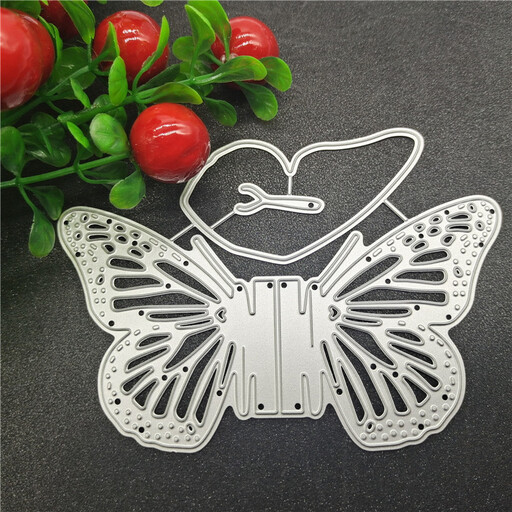
Why This Fits Their Persona: Perfect for those new to die-cutting who want to build a collection without a large initial outlay. The butterfly is a timeless, versatile motif that can be used for birthdays, thank you cards or general scrapbook embellishments.
This die is made from carbon steel, avoiding the "flimsy die" trap of cheaper, unbranded alternatives. Its simple, bold design is less prone to the cutting issues that can plague overly complex budget dies.
A highly versatile shape for multiple occasions. The set includes both the butterfly outline and smaller tool-themed shapes, offering good value.

Why This Fits Their Persona: For the crafter who loves adding names, dates and custom messages. A full set of alphabet dies is a cornerstone for creating truly unique cards, scrapbook layouts and personalised gifts.
This complete set ensures a consistent font, size and cut quality across all characters, avoiding the messy look of mismatched letter dies. The carbon steel construction ensures frequently used letters won't dull or bend.
Provides a full set of 26 capital letters and 10 numbers, offering maximum versatility for personalisation. The clean, modern font is suitable for a wide range of project styles.
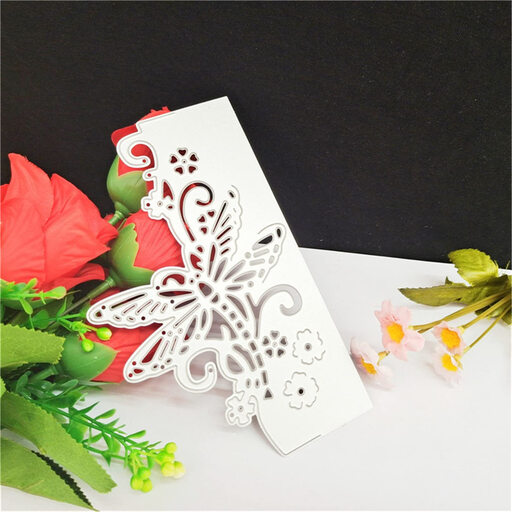
Why This Fits Their Persona: Ideal for the crafter who goes all-in on seasonal projects. This die creates a detailed festive background, perfect for making batches of high-impact Christmas cards efficiently.
Instead of buying multiple small, potentially poor-quality festive shapes, this single background die provides a cohesive and intricate scene. It avoids the "messy cut" frustration on fine details like snowflakes thanks to its precise etching.
Creates a complete, detailed background layer in one pass. This set of Christmas craft dies is an efficient way to produce professional-looking seasonal cards.
We have compiled a complete, real-time list of products that fully satisfy these strict selection criteria and UK safety regulations.
Here are answers to a few common queries we see from UK crafters.
Tearing is often a result of either too much or too little pressure, or the paper sticking to the die. First, ensure your cutting plates are flat. If they are heavily bowed, it can cause uneven pressure. For a cleaner release, especially with detailed dies, try placing a sheet of wax paper between the die and your cardstock. This acts as a lubricant and helps the die-cut shape pop out cleanly. If cuts are incomplete, adding a thin piece of card (a "shim") to your machine's sandwich can increase pressure just enough to get a crisp result.
The lifespan of a die depends on its material and how it's cared for. A high-quality carbon steel die can last for thousands of cuts if used correctly. To maximise its life, only use it on approved materials like paper, cardstock and craft foam. Avoid attempting to cut abrasive materials. For storage, magnetic sheets are an excellent solution as they hold the dies flat, protecting the delicate cutting edges from damage and preventing them from getting bent.
Most thin metal dies, often called wafer-thin dies, are designed with universal compatibility in mind and will work with the majority of personal die-cutting machines available in the UK. However, the critical factor is size. Always check the die's physical dimensions against your machine's platform width. Large background or A4-sized dies will require a machine with a wider opening, so it's essential to confirm this before purchasing to avoid the "compatibility gamble".