
24/7 Customer Support

Free returns

Same-day & Next-day Delivery

Quality Guaranteed

Unlock Your Welcome Offers: FREE Delivery | Up to 80% OFF | Free 30-day JoyPlus trial
Download the APP
Buying metal cutting dies for card making can make handmade projects more consistent, but the wrong set may leave you with incomplete cuts, awkward shapes or designs that do not fit your machine. Whether you create greeting cards, scrapbook layouts, wedding invitations or seasonal decorations, product descriptions can sometimes hide important limitations.
Joybuy Product Recommendation Officer guidance focuses on practical checks rather than marketing language. Before adding paper craft cutting dies to your basket, consider these common pitfalls and match the set to the way you actually craft.
Most metal die-cutting templates are designed for use with a compatible manual or electronic die-cutting system, but compatibility is not universal. Differences in platform width, cutting plate arrangement and pressure can affect results.
A die that is too large for your machine may not pass through safely, while a very intricate design may need more than one pass. Always check the maximum die size, recommended sandwich arrangement and machine instructions before buying.
Product titles often use terms such as “embossing stencil”, “die-cut template” and “paper punch” interchangeably. These tools do different jobs:
If your project requires layered flowers, lettering or borders, check whether the set creates a separate cut-out, an embossed impression or both.
A small die may be suitable for gift tags but disappear on an A5 greeting card. Conversely, an oversized frame can leave little room for a message. Product images can also make dies appear larger than they are.
Look for listed measurements where available and consider the card format you use most often in the UK, such as A6, square cards or folded A5 designs. For scrapbook pages, compare the die dimensions with your photo and journalling areas before ordering.
Many paper craft dies are described as metal, carbon steel or “metal blade” dies. Carbon steel is commonly used for thin cutting tools because it can form a defined edge, but the listing should still be checked for the exact material and set contents.
Look closely at:
Avoid assuming that a die suitable for thin paper will also cut thick, glittered or laminated card. Material thickness, fibres and surface coatings can alter the result.
A manual scrapbook machine typically needs a base platform and cutting plates. Some projects may also require an embossing mat or additional shim, depending on the die and machine instructions.
Before buying scrapbook machine dies, confirm:
Do not force a sandwich through a machine. Excess pressure can damage plates, the machine or the die.
A set containing leaves, flowers or borders can support several card themes, from birthdays to thank-you notes. Sentiment-specific Christmas cutting dies or celebration designs may be useful for seasonal projects but less practical throughout the year.
For long-term use, choose dies that can be stored flat in magnetic folders, labelled pockets or a compartmentalised craft box. Keeping cutting edges protected helps reduce scratches and makes it easier to find matching pieces.

Why This Fits Their Persona: A four-piece set gives newcomers several templates to try before committing to a larger collection. It suits occasional card making and small paper craft projects.
The product title clearly identifies a four-piece set and carbon steel construction, helping buyers distinguish it from a single stencil or punch.
Four metal templates; specified for DIY craft and paper card making.
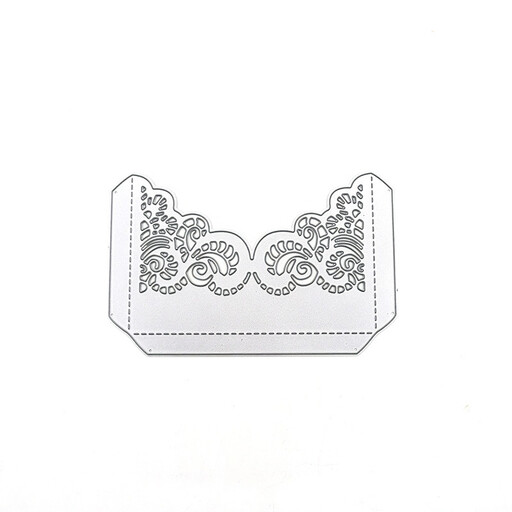
Why This Fits Their Persona: Crafters planning coordinated stationery may prefer a set focused on lace, flowers and borders for repeated decorative themes.
Its listed design theme makes the intended use clearer than a generic title, so buyers can assess whether the motifs suit invitations or albums.
Includes lace, flower and border-style motifs; intended for wedding invitations, albums and decorative paper crafts.
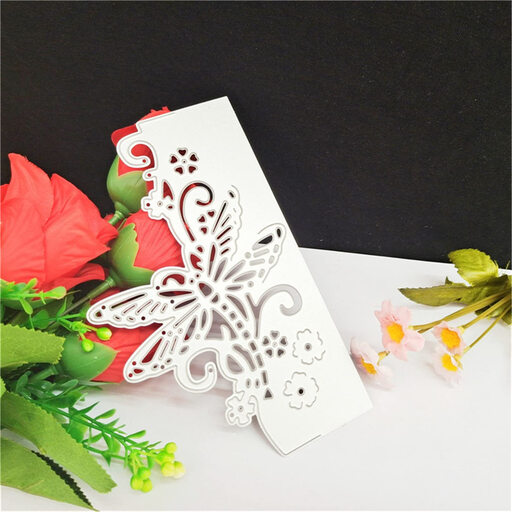
Why This Fits Their Persona: Seasonal card makers producing multiple festive designs can use Christmas-themed templates for recurring December projects.
The Christmas-specific description sets realistic expectations about its main use, rather than suggesting an all-purpose collection.
Christmas-themed metal dies; described for card making, scrapbooking and background embossing.
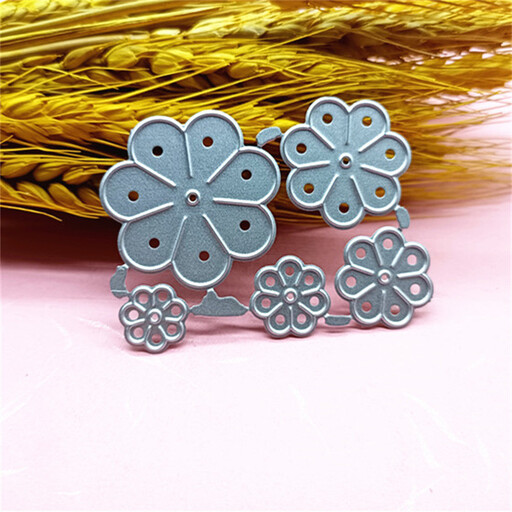
Why This Fits Their Persona: Layered petals and leaves provide building blocks for dimensional floral arrangements on cards, scrapbook pages and decorative crafts.
The layered format is stated directly, reducing the risk of expecting one complete flower when the set is intended for assembling separate pieces.
Includes petal and leaf elements; suitable for DIY scrapbooking and paper card decoration.
Use clean, flat card and position the die with the cutting edge facing the material as directed by your machine’s instructions. For detailed scrapbooking die cuts, remove small waste pieces gradually rather than pulling the entire design away at once.
A fine pick, soft brush or specialist die-release tool can help with intricate shapes. Store used dies away from moisture and avoid bending them. If a design stops cutting cleanly, inspect the cutting plates and paper first; uneven pressure is not always a sign that the die has failed.
For wedding card embellishments, test the design on spare card before producing a full batch. This helps you check scale, colour combinations and the amount of adhesive required. For flowers, leaves and borders, combining plain and patterned card can create contrast without needing a large collection.
We have compiled a complete, real-time list of products that fully satisfy these strict selection criteria and UK safety regulations.
No. Compatibility depends on the machine’s opening, platform system, plate arrangement and pressure. Check the die dimensions and the machine manufacturer’s instructions before use. Do not force a thick sandwich through the rollers.
Lifespan varies according to the material being cut, design complexity, storage and frequency of use. Thin paper and ordinary card are generally less demanding than heavily textured, glittered or laminated materials. Keep the dies dry, protect the edges and replace damaged cutting plates when necessary.
They do not require electricity by themselves, but manual machines need physical operation and compatible plates. Ongoing costs may include card, adhesives, storage folders and replacement cutting plates. Check whether your chosen set contains only dies or includes other accessories before ordering.