
24/7 Customer Support

Free returns

Same-day & Next-day Delivery

Quality Guaranteed

Unlock Your Welcome Offers: FREE Delivery | Up to 80% OFF | Free 30-day JoyPlus trial
Download the APP
Creating handmade cards can be an enjoyable way to personalise birthdays, weddings, Christmas greetings and gifts. However, choosing metal cutting dies for card making is not simply a matter of selecting the prettiest design. A die may be unsuitable for your machine, too intricate for your preferred paper or less versatile than its product title suggests.
This guide explains the practical details to check before buying, then matches a selection of card-making and scrapbooking products to different crafting needs.
Metal dies are used with manual or electronic die-cutting systems, but compatibility can vary. Before ordering, check your machine’s maximum working width, recommended cutting plates and the types of dies it accepts. A product described as a die-cutting stencil may still need a specific platform or adapter.
If the listing does not state dimensions, treat that as a point to verify rather than guessing from the product image.
Lace borders, hollow backgrounds and fine flower cutting dies can create attractive details, but very delicate patterns may need careful handling. Thick card, glitter card and layered materials can require more pressure than standard paper.
Check the die’s stated size and intended use, and consider whether you mainly work with:
Some product titles include phrases such as “card-making kit”, while the contents may consist primarily of metal dies. Do not assume that paper, envelopes, stamps or embellishments are included unless the product description confirms this.
For a ready-to-use project, a dedicated card-making kit may be more suitable. For flexible, repeatable designs, individual scrapbooking dies can offer more control over colours, layouts and paper choice.
Look for the die’s dimensions, cutting method and compatibility information. A metal die should sit flat on the cutting platform, with the correct plate or shim arrangement recommended by the machine manufacturer.
If you are new to die cutting, begin with simple shapes such as frames, flowers or birthday wording. More complex paper die cuts can be added as your technique develops.
Measure your typical card fronts, scrapbook pages and invitation panels before ordering. A small flower die may be useful for layering, while a frame or lace background needs to suit the full project area.
Storage also matters. Thin dies can be misplaced easily, so consider magnetic sheets, labelled pockets or a craft organiser. Sets containing several alphabet cutting dies or small decorative shapes particularly benefit from organised storage.
The reference products are described as metal cutting dies, but the supplied information does not specify the metal grade, coating, thickness or expected lifespan. These details can affect durability and clean release.
For embossing dies, check whether the product is intended to cut, emboss or perform both functions. Cutting dies and embossing tools are not always interchangeable. Use suitable paper, avoid forcing the machine and remove small paper fragments carefully after each pass.
When buying from a UK marketplace, review the listing for dimensions, materials, included pieces, warnings and seller information. Under the General Product Safety Regulations 2005, products supplied to consumers should be safe when used as intended; buyers should still follow the supplied instructions and use craft tools responsibly.
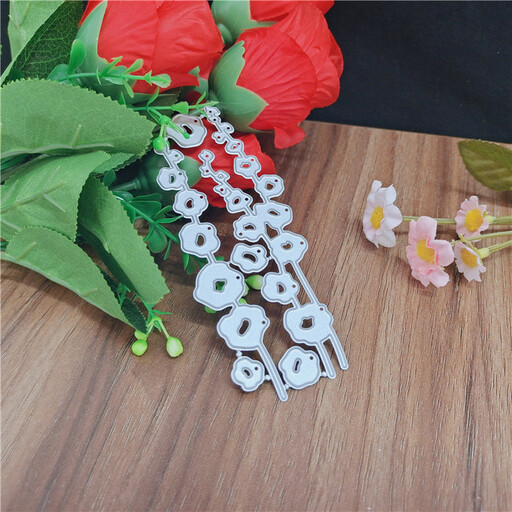
Why This Fits Their Persona: A flower-focused set is a practical starting point for beginners making birthday cards, scrapbook pages and layered paper decorations in a home craft space.
Its clearly stated flower theme makes the design purpose easier to assess than a broad, unspecified multipurpose set. Check the dimensions and machine requirements before purchase.
Flower motifs can be used as individual accents or layered embellishments. The listing identifies it for card making, embossing and scrapbook machine use.
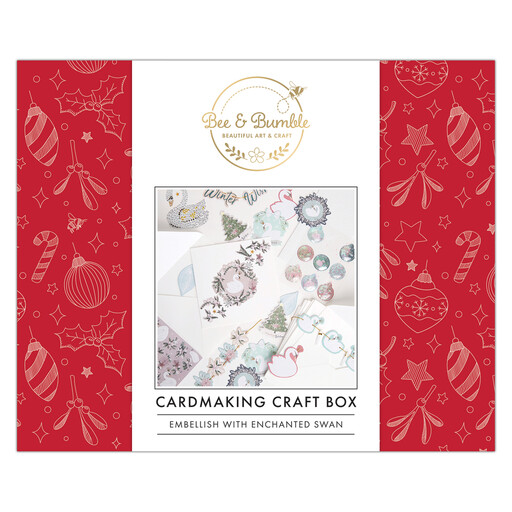
Why This Fits Their Persona: This suits crafters who prefer a coordinated, decorative project rather than sourcing every component separately for seasonal cards and gift projects.
The listed contents make it easier to see what is included: 10 cards with envelopes, die-cut toppers, mini 3D decoupage, foam squares, stickers, garlands and embellishments.
The kit includes cards, envelopes and coordinated decorative materials. Small parts require careful storage and adult supervision for children.
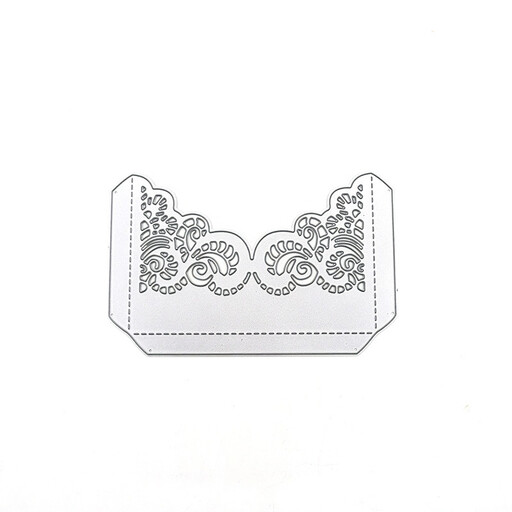
Why This Fits Their Persona: This option is aimed at makers producing repeated layouts for wedding stationery, photo albums, borders and decorative paper projects.
The stated uses include wedding invitations, lace flower borders, photo albums and embossing, giving it a defined purpose. Confirm the number and dimensions of dies before ordering.
The set is positioned for borders, flowers and decorative embossing. It can support consistent motifs across stationery and scrapbook pages.
For personalised cards, combine one structural design with one focal motif. A rectangle frame cutting die can create a neat mat, while flower, rose or branch leaves dies add visual layers. Lace border dies are useful for wedding and event stationery, but measure the card panel first to avoid unwanted trimming.
For names, dates and greetings, an alphabet cutting die set offers more flexibility than buying separate sentiment dies. The listed alphabet options include 26 capital letters, with one version also stating 10 numbers. Check which version suits your wording needs before purchasing.
A complete scrapbook set may be more convenient for memory albums. The Bee and Bumble Kraft Scrapbooking Intro Set includes an 8 x 8-inch spiral-bound kraft scrapbook with 40 pages, wooden frames, tags, patterned tape, metallic gel pens, stickers and glue. See the scrapbooking kit range if you need paper, embellishments and album materials together.
Metal dies do not use electricity themselves, but the die-cutting machine requires manual effort or power depending on the model. To reduce waste:
They are generally designed for repeated use, but lifespan depends on the die construction, machine pressure, materials and storage. Since the supplied listings do not provide a guaranteed cut-life figure, inspect the product specifications rather than relying on broad durability wording.
Yes, provided the die and machine are compatible and the instructions are followed. Beginners may find simple frames, flowers and sentiments easier to handle than highly detailed lace patterns. Start with standard paper or card before moving to thicker or layered materials.
A kit can reduce the need to purchase cards, envelopes and embellishments separately, particularly for a defined seasonal project. Individual dies may offer better flexibility if you already have paper and tools. Compare the listed contents, usable designs and your likely project volume before deciding.
We have compiled a complete, real-time list of products that fully satisfy these strict selection criteria and UK safety regulations.