
24/7 Customer Support

Free returns

Same-day & Next-day Delivery

Quality Guaranteed

Unlock Your Welcome Offers: FREE Delivery | Up to 80% OFF | Free 30-day JoyPlus trial
Download the APP
Creating personalised cards, scrapbook pages and invitations can be more economical and creative with the right tools. Metal cutting dies for card making allow you to cut repeatable shapes from paper, card and other suitable craft materials using a compatible die-cutting machine.
However, product listings often use broad terms such as “universal”, “durable” or “multi-purpose” without explaining what is actually included. Before buying, check the die’s dimensions, material description and intended use rather than choosing based on the picture alone.
Manual and electronic die-cutting machines vary in platform size, pressure and recommended sandwich configuration. A die may be suitable for a standard manual machine but too large, too intricate or unsuitable for another model.
Check the die dimensions, the manufacturer’s compatibility guidance and whether you need cutting plates, a platform or an embossing mat. These accessories may not be included with the die.
Some products are designed to cut through paper, while others create a raised or pressed pattern. A die described as an embossing stencil may require a different plate arrangement or embossing mat.
If you want both functions, look for a product description that clearly refers to cutting and embossing, rather than assuming that every metal template performs both tasks.
Fine lace, floral and background patterns can look attractive but may be more difficult to remove from thick card. Very small openings can also collect paper fibres or require careful release.
For everyday card making, consider a combination of simple shapes and detailed designs. Keeping wax paper, a brush or a release tool nearby can help with intricate scrapbooking cutting dies, although the correct method depends on your machine and paper stock.
Look for a clear description of the material, such as carbon steel or another specified metal. A metal die should have a defined cutting edge and a flat profile suitable for the intended machine. Avoid relying solely on vague wording such as “high quality” when no material information is provided.
Store dies dry and flat. After use, remove paper remnants and avoid bending thin dies, particularly those with narrow borders or delicate cut-outs.
Dimensions determine whether a die can frame a whole card front, create a small embellishment or fit inside a scrapbook page. Compare the listed measurements with common UK card sizes, such as A6 or A5, but confirm the actual finished cut because outer dimensions do not always equal the usable design area.
Useful formats include:
Confirm whether the die is intended for paper, card, craft foam or another material. Thick, laminated or heavily textured card can need more pressure than ordinary paper. Do not force a sandwich that feels too tight, as this can damage plates or the machine.
If you are buying for a classroom, craft group or regular card production, prioritise designs that can be handled repeatedly and stored in labelled pockets. This makes it easier to find suitable paper craft dies without buying duplicate shapes.
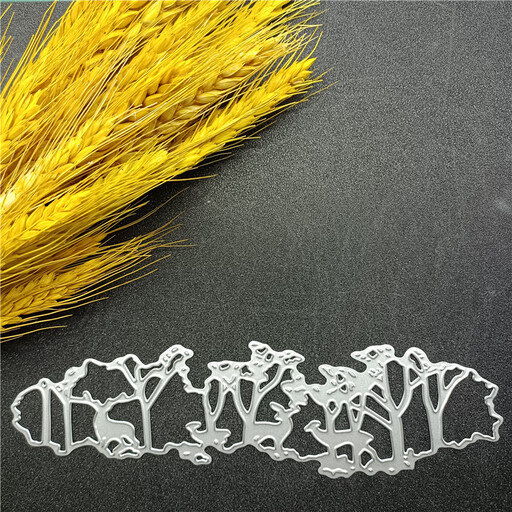
Why This Fits Their Persona: A general-purpose option for people starting card making, scrapbooking or DIY album projects without committing to one theme.
Its product title identifies both stencil and mould functions, making it easier to compare with your machine requirements before purchase.
Listed for card making, scrapbooking, albums and paper; suitable for exploring several craft formats.
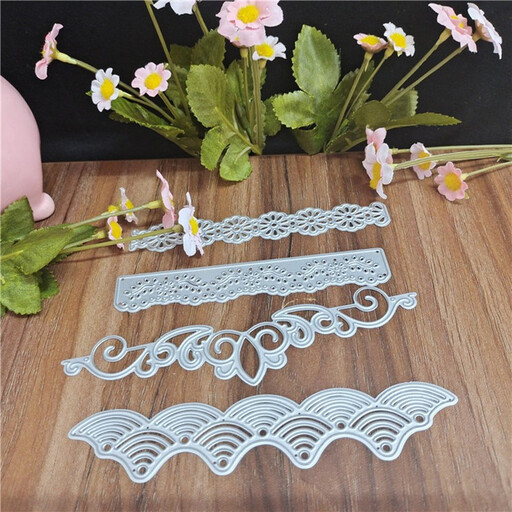
Why This Fits Their Persona: A four-piece set suits makers who want a coordinated selection of metal die cuts for paper and card projects.
The listing specifies carbon steel and the pack quantity, providing more useful buying information than an unspecified single template.
Four-piece format; carbon steel is stated in the product name; intended for DIY craft and paper card making.
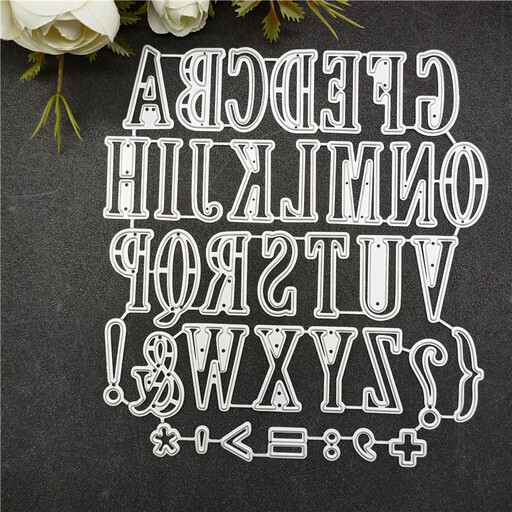
Why This Fits Their Persona: Regular makers, teachers and scrapbookers can create names, initials, headings and personalised messages across many projects.
The set contents are clearly stated as 26 capital letters, so buyers can assess whether the format matches their lettering needs.
Full capital alphabet; intended for card making, paper crafts, albums and decorative words.
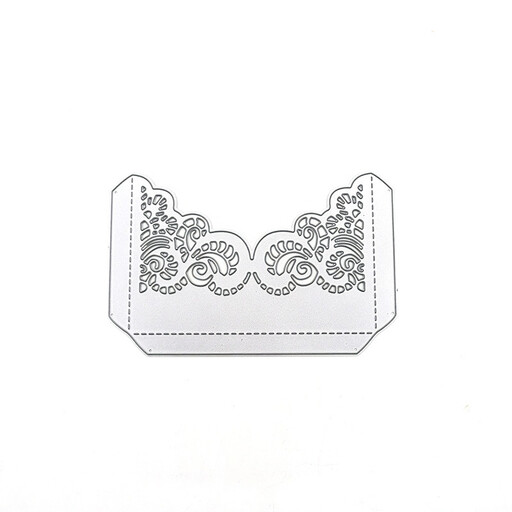
Why This Fits Their Persona: Suitable for makers producing coordinated wedding invitations, photo-album pages or decorative event stationery.
The listing identifies lace, flower and border elements, helping you compare the set with a specific stationery design brief.
Includes design categories suited to lace, flowers, borders and wedding-themed paper craft.
Start with a small paper sample before cutting your final card. Place the die’s cutting edge against the paper as directed by your machine instructions, then use steady pressure rather than repeatedly forcing the handle.
For a layered card, cut the same shape from contrasting colours and mount the layers with adhesive pads. Alphabet and number dies are useful for ages, initials and names, while flower cutting dies can be layered to create DIY scrapbook embellishments.
Keep a simple inventory of your card-making supplies. Record each die’s design, approximate size and preferred paper weight. This prevents accidental duplicate purchases and makes seasonal projects easier to plan.
Many are designed for paper and card, but suitability depends on the die, material thickness and machine. Check the product description and your machine’s instructions before cutting heavier card. Test a spare piece first.
Lifespan depends on frequency of use, material thickness, storage and cleaning. Avoid bending the die, forcing an unsuitable material through the machine or leaving paper fibres in fine details. Flat, dry storage can help protect the cutting edge.
The die itself is a reusable tool, so ongoing costs mainly come from card, paper, adhesive and machine plates. Intricate designs may create more paper waste if poorly positioned. Planning the layout and using scraps for small die-cut templates can reduce material use.