
24/7 Customer Support

Free returns

Same-day & Next-day Delivery

Quality Guaranteed

Unlock Your Welcome Offers: FREE Delivery | Up to 80% OFF | Free 30-day JoyPlus trial
Download the APP
Metal cutting dies for card making can transform plain card into detailed flowers, borders, greetings and seasonal decorations. However, attractive packaging and long product titles do not always tell you whether a die will suit your machine, card stock or project style.
This guide from the Joybuy Product Recommendation Officer explains the practical checks to make before buying, common purchasing traps and our top recommendations for different types of UK crafters.
Most metal dies are designed for use with a compatible manual or electronic die-cutting machine, but compatibility is not universal. The die must fit the machine’s platform size, cutting sandwich and pressure requirements.
A die that is too large may not pass through the machine correctly. A thin die may also need a particular plate arrangement to cut cleanly. Before ordering, check the product dimensions and compare them with your machine’s instructions.
Product listings often use terms such as “cutting dies”, “embossing stencils” and “templates” together. These functions are related but not identical:
If you want to create a flower, butterfly or greeting that can be lifted from the page, look for a die designed to cut. If you want texture on a card front, confirm that embossing is supported.
A highly detailed die may look impressive in a listing image but be unsuitable for a small A6 card. Equally, a small flower or greeting can disappear on a large scrapbook page.
Check the finished dimensions, not just the die’s overall size. This is particularly important for border cutting dies, background panels and layered designs. Also consider whether the design leaves enough space for a sentiment, handwritten message or photograph.
Metal cutting dies should have a clearly defined cutting edge and a flat profile. The reference products in this guide are described as metal cutting dies or metal embossing stencils. However, listings do not always provide information about the metal grade, coating or thickness.
Avoid relying on descriptions such as “durable” as a guarantee of lifespan. Instead, check:
After use, remove paper fibres and store dies flat or in a protective sleeve. Moisture can cause corrosion on some uncoated metal products, so dry storage is sensible in a typical UK craft room.
A die’s performance depends on the machine, plates, paper and pressure setting. Before purchase, confirm:
Do not force a sandwich through a machine. Excessive pressure can damage plates or the machine mechanism. Start with a test cut using inexpensive card before using premium paper, wedding stationery or scrapbook photographs.
Simple flower cutting dies and leaf cutting dies usually work across a wider range of paper types than very fine lace or intricate background patterns. Dense designs may require several passes, a fresh cutting plate or careful paper removal.
For card making, consider whether the design is intended for:
The product information supplied for the items below does not specify exact compatible paper weights. Check the individual listing and test the die before committing to a large batch of handmade invitations or Christmas cards.
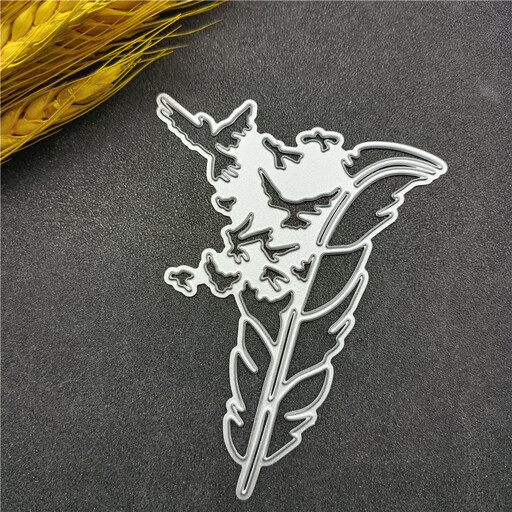
Why This Fits Their Persona: A flower design is a practical starting point for birthday cards, scrapbook pages and general paper craft projects.
The recognisable motif is easier to plan around than an oversized background design, but machine and size compatibility should still be checked.
Flower motif; listed for scrapbooking, albums, paper cards and embossing.
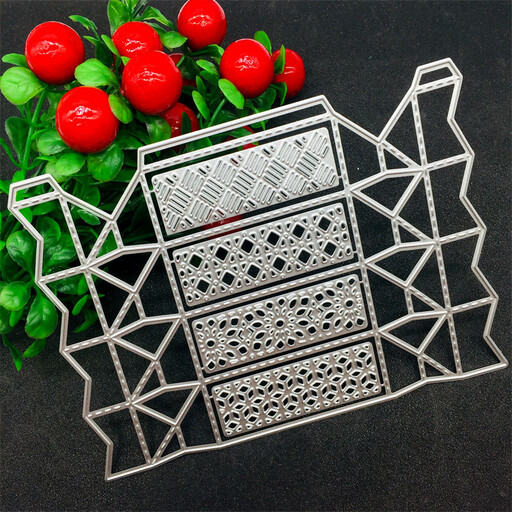
Why This Fits Their Persona: Suitable for crafters who want decorative pattern options for card making, paper crafts and lace-style embossing.
Its listing identifies both die-cut patterns and embossing use, helping buyers distinguish decorative texture from a simple outline.
Metal templates; listed for card making, scrapbooking, paper crafts and lace embossing.
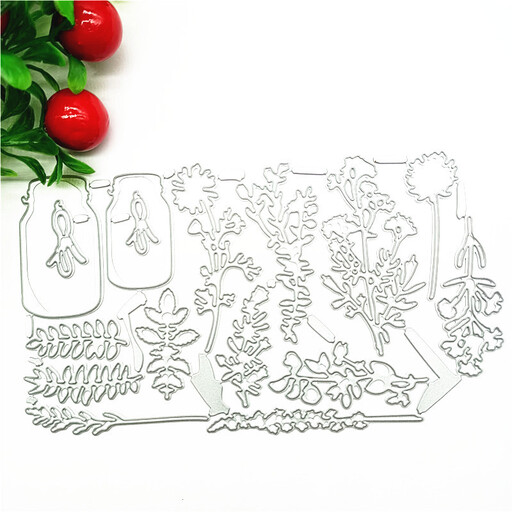
Why This Fits Their Persona: A border-focused design suits regular scrapbookers and card makers producing repeated frames, edges and decorative panels.
The dedicated border format reduces the risk of buying a general motif when your project requires consistent edges or framing.
Border-specific format; listed for scrapbook albums, decorative paper and card-making templates.
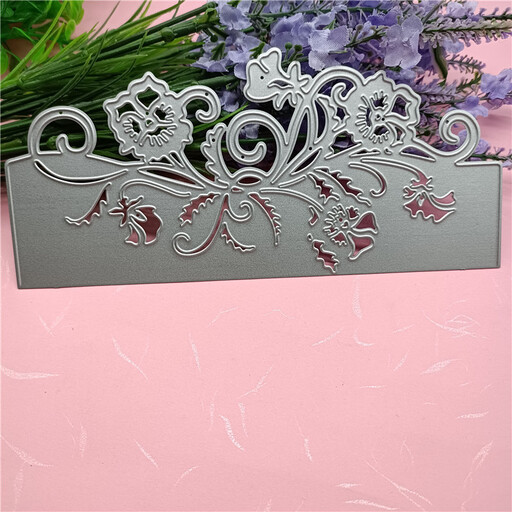
Why This Fits Their Persona: This option is aimed at handmade Christmas, birthday, wedding and celebration cards that need a greeting-led design.
The listed celebration wording makes the intended use clearer than a generic decorative shape, though the exact language and size should be confirmed.
Greeting-oriented design; listed for Christmas, birthday, wedding and blessing-card decoration.
We have compiled a complete, real-time list of products that fully satisfy these strict selection criteria and UK safety regulations.
Many are intended for manual die-cutting machines, but compatibility depends on the die dimensions, thickness and the machine’s plate system. Check the listing and your machine’s instructions before buying. Never force a platform sandwich through the rollers.
Lifespan varies according to the metal, design detail, cutting pressure, paper type and frequency of use. Heavy glitter card, adhesive-backed materials and repeated excessive pressure can increase wear. Cleaning the die and storing it flat can help preserve its cutting edge.
Not necessarily. Some compatible die-cutting machines can emboss when used with an embossing mat or alternative plate arrangement. Confirm that both the die and your machine support embossing before purchasing. A cutting die may not automatically function as an embossing stencil.