
24/7 Customer Support

Free returns

Same-day & Next-day Delivery

Quality Guaranteed

Unlock Your Welcome Offers: FREE Delivery | Up to 80% OFF | Free 30-day JoyPlus trial
Download the APP
Choosing metal cutting dies for card making can make handmade cards, scrapbook pages and gift packaging more detailed without relying on hand-cut shapes. However, attractive product images do not always reveal whether a die will suit your machine, card, or intended project.
This guide from the Joybuy Product Recommendation Officer focuses on practical checks, common buying pitfalls and suitable product types for different crafting styles.
Most metal dies for scrapbooking are designed for use with a compatible die-cutting and embossing machine, but machine openings, cutting-platform systems and recommended material thicknesses vary. A die may look suitable yet fail to pass through your machine correctly.
Before ordering, check:
If compatibility information is unclear, check the machine manufacturer’s guidance rather than relying solely on a product photograph.
A set containing many shapes can appear economical, but unused designs can quickly fill a craft drawer. Consider the cards and albums you actually make. Alphabet and number dies may be more useful for personalised birthday cards, while flower cutting dies, foliage and frames suit general-purpose decoration.
For wedding stationery, look for borders, lace patterns and elegant frames. For seasonal projects, Christmas cutting dies may be more practical than a broad assortment of unrelated motifs.
Very intricate dies can create appealing patterns, but small gaps and narrow channels may be difficult to release from heavier card. Paper fibres can remain trapped in detailed sections, particularly when the cutting plate or die is not aligned correctly.
Look for a design with visible negative space and a shape that suits your preferred paper weight. A simpler die can be more versatile for repeated card-making sessions than an extremely detailed design.
Product listings may describe dies as metal, carbon steel or embossing stencils. Carbon steel is commonly used for thin die-cutting templates because it provides a firm cutting edge in a compact format. The listing should clearly state what is included and whether the product contains cutting dies only, stamps or both.
Do not assume a die set includes a cutting machine, storage folder or embossing accessories. Read the contents carefully, especially where a product title mentions stamps and dies together.
Measure the available space on your card blank, scrapbook page or photo album. Check:
Border cutting dies and nesting frames can help create consistent margins, while small flowers and leaves are useful for filling gaps around a sentiment.
For clean results, use paper or card within the machine’s recommended range. Very thin paper may tear during release, while thick card may require additional passes or a different cutting sandwich. Place the paper smoothly, keep the die flat and use a precision brush or pick to remove small pieces when necessary.
For detailed embossing stencils, use the appropriate embossing mat or plate supplied or recommended for your machine. Never force a sandwich through the rollers.
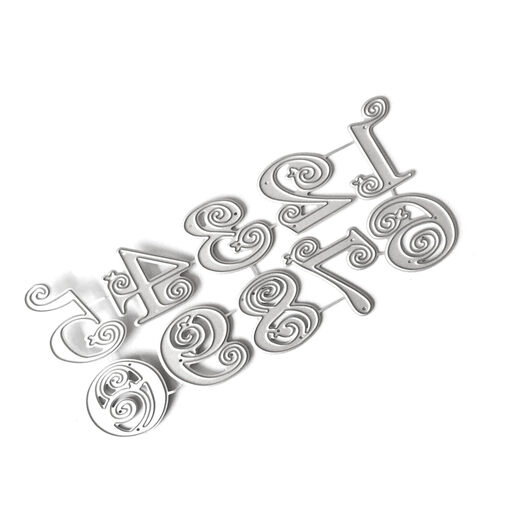
Why This Fits Their Persona: Number designs are practical for personalised birthdays, anniversaries, ages and dates, giving new crafters a focused starting point for card-making supplies.
Its stated carbon-steel construction and specific number theme are easier to assess than a mixed set with designs you may not use.
Number shapes suit cards, packaging and paper embellishment; the metal die format is intended for machine cutting.
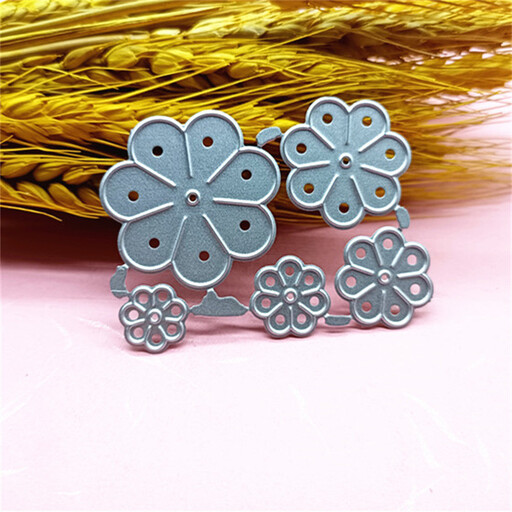
Why This Fits Their Persona: Crafters who enjoy building dimensional decorations can combine petal and leaf pieces to create coordinated motifs for cards, albums and handmade gifts.
The layered format makes the design purpose clear, so you can plan paper colours and assembly before buying.
Includes petal and leaf shapes; suitable for layered flower dies and decorative paper craft projects.
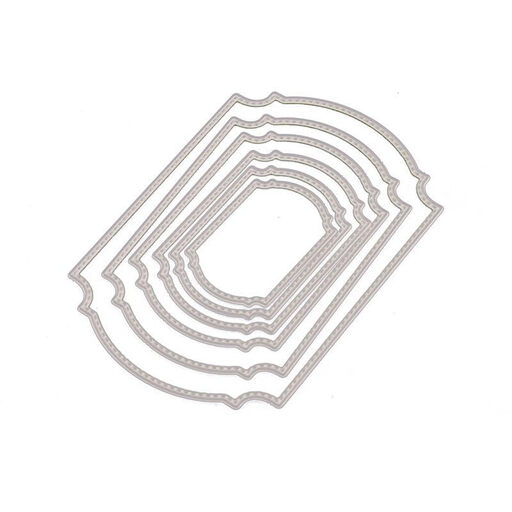
Why This Fits Their Persona: Regular card makers and scrapbookers can use nesting frames for repeated layouts, photo album decoration and layered panels.
The six stated sizes provide a clearer basis for checking layout options instead of judging value by an unspecified piece count.
Six different sizes; stitched rectangular edges add a defined decorative detail to paper projects.
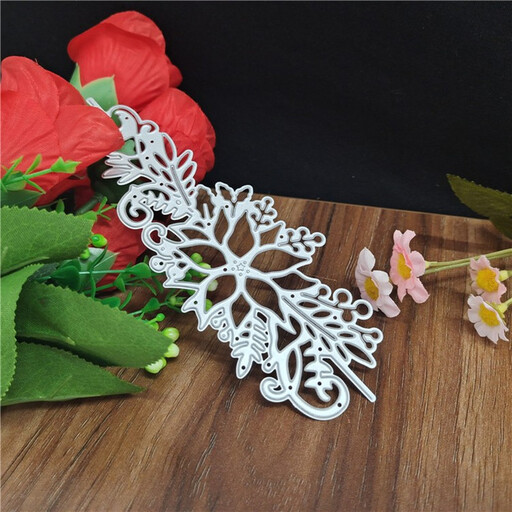
Why This Fits Their Persona: Ideal for makers preparing seasonal cards, gift tags and festive paper decorations who want a frame-led design.
Its flower-lace frame theme is specific, helping you decide whether it suits your seasonal collection before purchase.
Frame-based design; listed for Christmas crafting, scrapbooking and decorative paper cards.
Use a fresh or evenly surfaced cutting plate and position the die with the cutting edge facing the paper as directed by the machine instructions. For intricate die-cutting templates, release the paper slowly rather than pulling sharply from one corner.
Keep dies dry and wipe away loose paper fibres after use. Store them flat or in a labelled magnetic folder, away from humidity. A die does not have a fixed lifespan: frequency of use, card thickness, storage and plate condition all affect performance.
For more flexible projects, combine alphabet and number dies, flower shapes, leaves and border cutting dies. A small selection of coordinated craft die sets can cover greetings, invitations, photo albums and DIY paper crafts without duplicating similar designs.
We have compiled a complete, real-time list of products that fully satisfy these strict selection criteria and UK safety regulations.
No. Compatibility depends on the machine’s platform, roller opening and approved die type. Check the machine instructions and compare the die’s format and dimensions before buying. If the listing does not provide enough information, contact the seller for clarification.
There is no universal lifespan. Occasional use on suitable paper may allow a die to remain useful for a long time, while frequent use, thick materials and worn cutting plates can reduce clean-cut performance. Correct storage and avoiding unsuitable materials can help preserve the cutting edge.
The dies themselves do not use electricity. They require a compatible manual or powered die-cutting machine to apply pressure. Your ongoing costs are therefore mainly paper, replacement plates, adhesive and any machine accessories, rather than power consumed by the die.