
24/7 Customer Support

Free returns

Same-day & Next-day Delivery

Quality Guaranteed

Unlock Your Welcome Offers: FREE Delivery | Up to 80% OFF | Free 30-day JoyPlus trial
Download the APP
Adding intricate, perfectly cut shapes to a handmade card or scrapbook page is one of the most satisfying parts of paper crafting. Metal cutting dies promise to make this process simple, but the reality can sometimes be frustrating. Many crafters in the UK find themselves with a collection of dies that bend, fail to cut cleanly or simply don't work with their machine. Before you invest in more DIY card making supplies, it helps to know what separates a reliable tool from a disappointing purchase.
The main issues often stem from a few common problems:
By understanding a few key features, you can avoid these traps and choose craft dies that will serve you well for countless projects.
Navigating the world of scrapbooking die cuts doesn't have to be a guessing game. Focussing on a couple of core parameters will significantly improve your chances of getting a tool that performs as expected.
The material of the die is the most critical factor for its longevity and performance. Look for dies made from 100% carbon steel. This material is strong enough to withstand the repeated pressure of a die-cutting machine without warping. Its hardness also allows for a sharper, more durable cutting edge, which is essential for achieving clean cuts on various weights of cardstock and paper. Dies made from softer metal alloys are more prone to bending and dulling quickly.
A quality die has a noticeable thickness and a clearly defined, raised cutting edge. This design ensures that enough pressure is concentrated along the cutting line to slice cleanly through paper fibres. When a die is too thin or the edge is not sufficiently raised, it can fail to cut all the way through, requiring multiple passes or resulting in torn edges. For dies that also offer embossing features, a deeper etch is necessary to press detailed patterns into the paper, turning them into versatile craft embossing stencils.
Before purchasing, always check the dimensions of the die against the width of your die-cutting machine's opening. Most craft dies in the UK are designed to work with standard manual machines, but it's a good practice to confirm. Versatile paper craft templates, such as nesting frames or sets with multiple small elements, often provide better long-term value than a single, niche design.
To help you choose, we've matched a few options to different types of crafters, focussing on designs that address the common pitfalls.
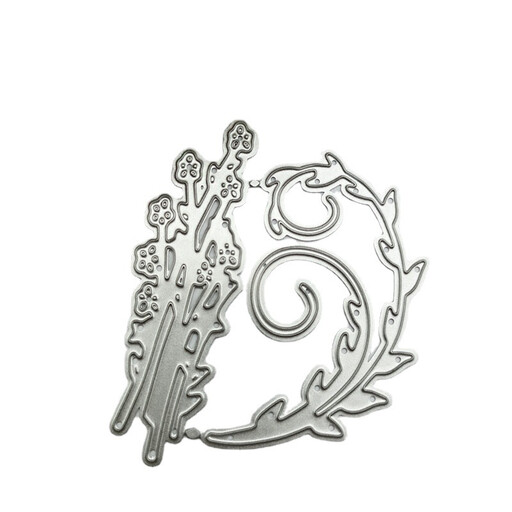
Why This Fits Their Persona: This set is ideal for anyone new to die-cutting. It provides a variety of foundational nature-themed shapes that can be used across birthday, thank you and general-purpose cards, offering excellent versatility without a large initial investment.
Constructed from durable carbon steel, these dies resist bending under pressure. This ensures they maintain their shape and cutting performance, avoiding the common pitfall of flimsy, single-use dies.
The set includes multiple useful shapes in one package, providing great value and a solid starting point for building a collection of DIY card making supplies.
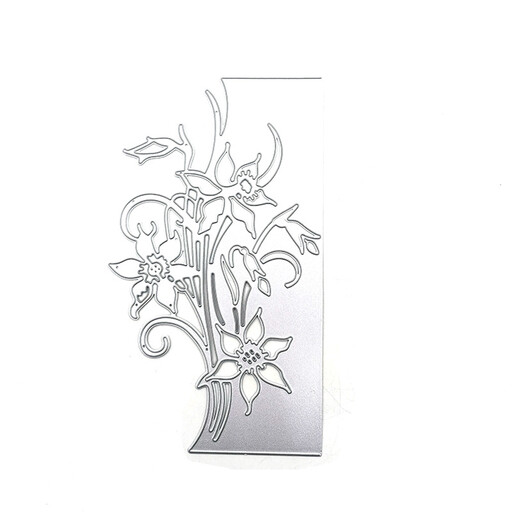
Why This Fits Their Persona: This die is for the crafter with a specific vision, such as creating elegant wedding stationery, anniversary cards or Valentine's projects. Its detailed rose design serves as a beautiful, high-impact focal point.
The sharp, deeply etched cutting lines ensure that even the intricate details of the rose petals are cut cleanly without tearing the paper, overcoming the common issue of poor definition in complex designs.
Creates a sophisticated and detailed centrepiece for cards and scrapbook layouts. The design is also suitable for use as a craft embossing stencil for a subtle, textured effect.
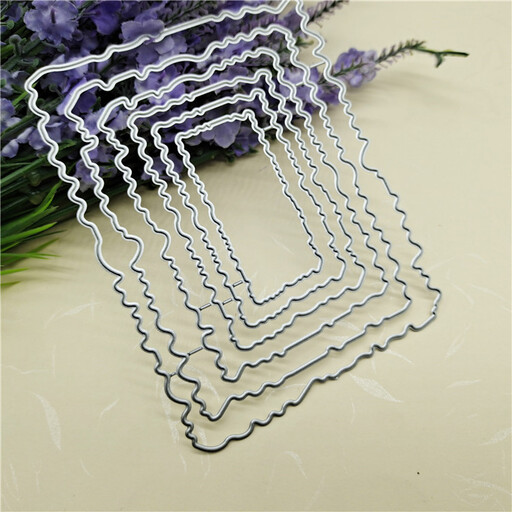
Why This Fits Their Persona: This is for the crafter who loves creating layers, shaker cards and perfectly matted elements. This nesting frame set provides the essential building blocks for creating professional, structured card designs.
As a nesting set with standard rectangular proportions, these dies are designed for compatibility. They work together seamlessly and fit well on standard card bases, avoiding the frustration of awkwardly sized or mismatched shapes.
The ability to cut multiple frame sizes and apertures allows for endless creative combinations, from simple mats to complex layered scenes. It is a foundational tool for any serious card maker.
We have compiled a complete, real-time list of products that fully satisfy these strict selection criteria and UK safety regulations.
Most thin metal dies, including those featured here, are designed for use with a manual die-cutting machine. These machines use a roller and a pair of cutting plates to press the die into the paper. They are widely available from craft suppliers across the UK. Always check the width of your machine's platform to ensure it can accommodate the die you wish to use.
To prolong the life of your dies, it's important to clean and store them properly. After each use, use a small brush or a specialised die pick to remove any small pieces of paper stuck in the crevices. Store them flat, preferably on magnetic sheets, which keep them organised and prevent them from getting bent or damaged.
While primarily designed for paper and cardstock, many carbon steel dies can also cut through other thin materials. These may include craft foam, vellum, felt and thin fabric. If you plan to cut tougher materials, it is advisable to use a dedicated, stronger die or check the manufacturer's recommendations to avoid damaging the die.