
24/7 Customer Support

Free returns

Same-day & Next-day Delivery

Quality Guaranteed

Unlock Your Welcome Offers: FREE Delivery | Up to 80% OFF | Free 30-day JoyPlus trial
Download the APP
Creating handmade cards can be affordable and personal, but choosing the wrong metal cutting dies for card making can lead to wasted paper, uneven cuts and designs that do not fit your projects. Product listings often use broad terms such as “universal”, “durable” or “embossing template” without explaining machine compatibility, finished size or whether the design is suitable for repeated use.
This guide from the Joybuy Product Recommendation Officer focuses on the practical details UK crafters should check before buying scrapbook machine dies, paper craft die cuts and embossing stencils.
Many metal die-cut templates are designed for use with manual die-cutting or embossing machines, but compatibility can vary. A die may be too large for a machine’s platform, or the required cutting sandwich may differ between systems.
Before ordering, check:
If these details are missing, contact the seller before purchasing rather than relying on the word “universal”.
Highly detailed lace border dies and intricate flower cutting dies can create delicate results, but small cut-out sections may remain attached to the paper. This can be frustrating when working with card, especially if the die is used without a suitable cutting mat or with an unsuitable pressure setting.
For easier handling, beginners may prefer larger shapes, frames or open designs. Intricate patterns are more suitable when you are comfortable adjusting the machine sandwich and releasing paper carefully.
A cutting die is intended to cut through paper or card. An embossing stencil or embossing die may create a raised or indented pattern without cutting the material completely. Some products combine both functions, while others are intended for only one purpose.
Read the product title and images carefully. If you need a greeting, border or shape cut from coloured card, look for a cutting die. If you want texture on a card front or scrapbook page, an embossing option may be more suitable.
Check whether the listing names the type of machine required. Also consider the materials you plan to use. Standard paper, lightweight card, vellum and patterned scrapbook paper can behave differently during cutting.
For handmade birthday, Christmas, wedding or baby cards, confirm that the die can accommodate the card you commonly use. Do not assume that a die suitable for thin paper will cut thicker card cleanly.
A small decorative motif can work well on a gift tag or photo album page but may look undersized on an A6 card. Conversely, a large background die may be unsuitable for smaller folded cards.
Measure your usual card blanks before ordering. For scrapbook pages and journal layouts, consider whether the design can be repeated, layered or combined with nesting frames. Border dies are particularly useful when you need a continuous edge, while individual motifs are easier to position around a sentiment.
Look at the image for narrow channels, small apertures and fine lettering. These features can affect how easily paper releases from the die. A die with a simple outline is generally easier to handle than a densely patterned background.
Storage also matters. Small metal dies can be misplaced in craft drawers. Consider using labelled pockets or magnetic sheets, particularly for seasonal Christmas cutting dies, wedding invitation dies and photo album decoration dies.
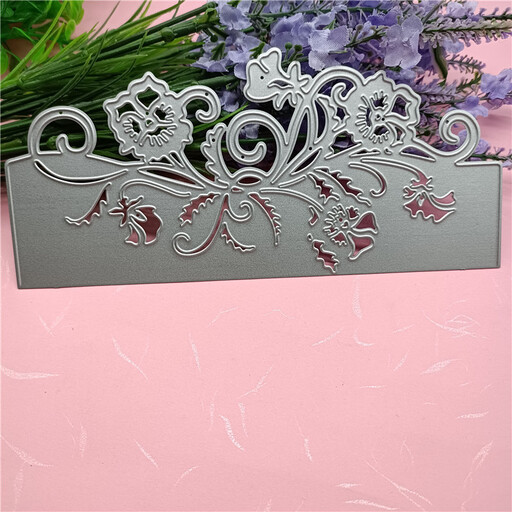
Why This Fits Their Persona: A seasonal greeting design can help a new crafter create birthday, Christmas or congratulatory cards without buying several unrelated motifs.
Its purpose is clear from the named greeting theme, reducing the risk of buying a decorative shape with no obvious card-making use.
Named for card making; suitable for seasonal and celebratory paper projects.
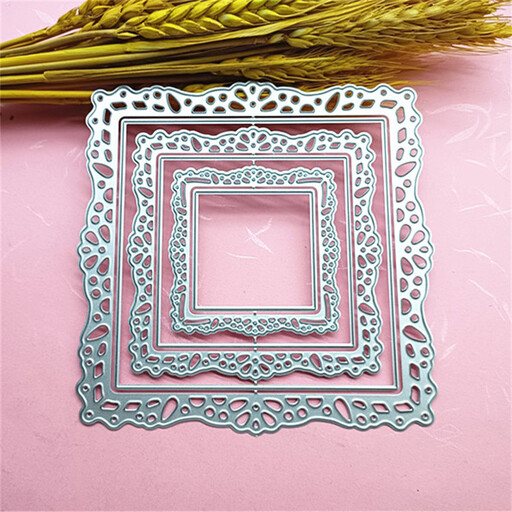
Why This Fits Their Persona: This option suits crafters who want a structured background for formal cards, layered panels and detailed scrapbook pages.
The square background format makes the intended layout easier to judge before buying, unlike listings that show only an isolated motif.
Lace-style background; square format for repeatable card-front layouts.
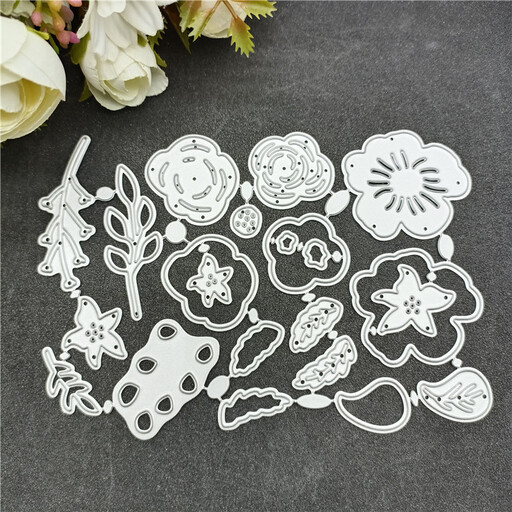
Why This Fits Their Persona: Useful for floral birthday cards, wedding stationery, garden-themed journals and layered scrapbook embellishments.
The named flower-and-leaf theme gives it a defined purpose, making it easier to plan coordinated layers rather than buying an unsuitable abstract pattern.
Includes flower and leaf motifs; suitable for card, album and paper-craft projects.
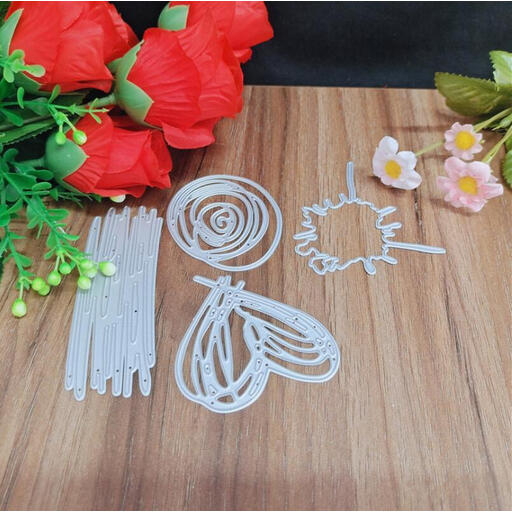
Why This Fits Their Persona: A practical choice for people preparing several themed cards, scrapbook pages or photo album decorations throughout the year.
The festival theme is more specific than a generic decorative die, helping you match the purchase to planned seasonal projects.
Designed for festival-themed crafts; listed for cutting, scrapbooking and embossing projects.
We have compiled a complete, real-time list of products that fully satisfy these strict selection criteria and UK safety regulations.
Use a fresh or suitable cutting mat and follow the machine manufacturer’s recommended plate arrangement. If a design does not cut through, avoid forcing the handle. Check the paper position, platform alignment and pressure settings first.
For detailed scrapbooking cutting dies, use a poking tool or release paper carefully rather than pulling at narrow sections. Keeping a few test scraps nearby allows you to check a new die before using premium patterned paper.
When creating wedding invitation dies or lace borders, cut a sample on ordinary card first. This helps confirm the scale, alignment and contrast before committing to a full batch. For flowers, leaves and seasonal motifs, layering two or three colours can add depth without requiring a large collection of tools.
No. Compatibility depends on the machine’s platform, roller or pressure system, die thickness and recommended plate configuration. Check the product listing and your machine’s instructions before ordering.
Lifespan depends on the die’s construction, frequency of use, materials and machine settings. Cutting paper or suitable card with the correct setup can help reduce unnecessary stress. Store dies dry and protected to limit bending, scratching or loss.
They can have lower ongoing equipment requirements because they are used with a compatible manual machine rather than a computer, software or cutting blade. However, the initial machine, plates and replacement mats still affect total cost. Compare the full setup cost with how often you plan to craft.