
24/7 Customer Support

Free returns

Same-day & Next-day Delivery

Quality Guaranteed

Unlock Your Welcome Offers: FREE Delivery | Up to 80% OFF | Free 30-day JoyPlus trial
Download the APP
Metal cutting dies for card making can turn plain cardstock into layered flowers, shaped borders, seasonal motifs and personalised greetings. They are also easy to buy incorrectly. A die may look detailed online but prove too large for your card layout, too delicate for your machine or unsuitable for the materials you plan to cut.
This guide explains the main buying pitfalls, the specifications worth checking and a selection of papercraft cutting dies matched to different crafting needs.
Most metal dies require a compatible die-cutting and embossing machine. Compatibility depends on the machine’s platform, cutting plates, roller clearance and the die’s thickness. A product described as a “cutting stencil” is not necessarily usable by hand or with a basic craft punch.
Before ordering, check:
If this information is missing from a listing, treat it as a point to verify rather than assuming universal compatibility.
Online images often show the die enlarged for detail. A flower cutting die that looks suitable for a large scrapbook page may overwhelm an A6 card. Conversely, a small decorative paper die may disappear when used on a 12-inch scrapbook layout.
Look for the die’s actual dimensions, the number of pieces included and whether the design cuts as one shape or several separate layers.
Some products are described as both cutting dies and embossing stencils. These functions are related but not identical. A cutting die separates paper from the sheet, while an embossing stencil or embossing feature creates a raised or recessed pattern. You may need different plates, mats or pressure settings for each result.
For clean scrapbook die cuts, avoid forcing the machine. Excessive pressure can damage plates, bend a thin die or leave unwanted marks on cardstock.
A metal die should have a clearly defined cutting edge and a flat backing. Product listings may simply state “metal”, so avoid assuming a particular alloy or finish unless it is specified. Inspect product photographs for bent edges, incomplete joins or unusually fine sections that may be difficult to release from paper.
For regular DIY card-making supplies, keep a small die brush, release tool or wax paper sheet available. These can help remove intricate pieces without pulling delicate cardstock.
Measure your card blanks, journal pages or album spaces before choosing a design. Consider whether you need:
A multi-piece set can offer more layout options, but it may also create more small scraps to sort and store.
Thin paper, vellum, standard cardstock and glitter card behave differently. Intricate designs can tear when used with very soft or fibrous paper, while thick card may require a different machine setting. If you intend to layer several scrapbooking die cuts, check the final stack height so the finished card still fits its envelope.
For wedding card embellishments and birthday card templates, test the design on spare paper first. This helps you confirm the cut, spacing and colour combination before using premium cardstock.
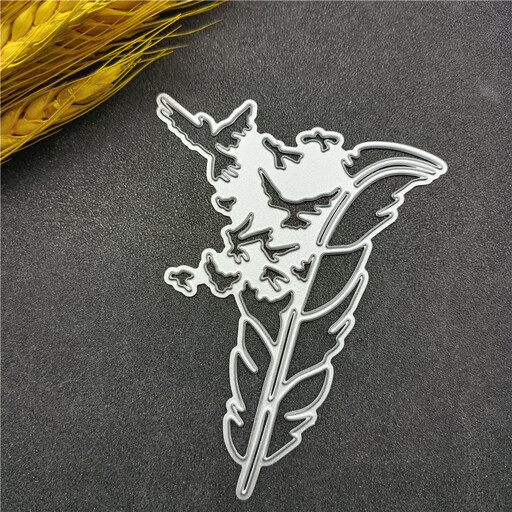
Why This Fits Their Persona: A floral motif is suitable for practising basic die-cutting and creating cards, album pages and simple layered decorations without committing to a highly specialised theme.
The recognisable flower design is easier to plan than an abstract background, helping new crafters judge scale and placement before cutting.
Floral subject; listed for scrapbooking, paper cards and embossing applications.
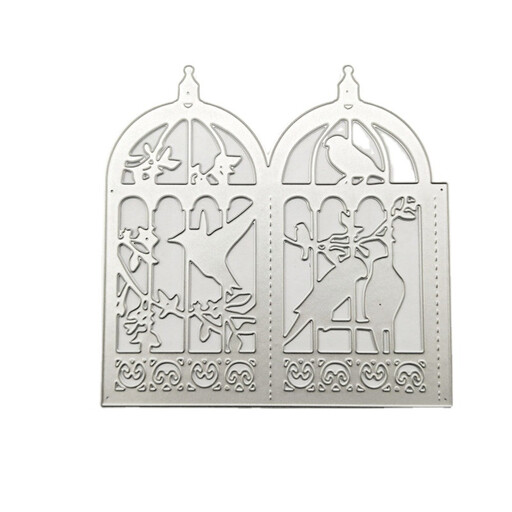
Why This Fits Their Persona: This wedding-focused option suits makers preparing invitations, keepsake cards or formal scrapbook pages where a coordinated decorative theme matters.
Its stated wedding theme makes the intended use clearer than a generic ornamental set, reducing the risk of buying a design that does not suit the project.
Wedding-specific design; intended for scrapbook albums, paper cards and embossing.
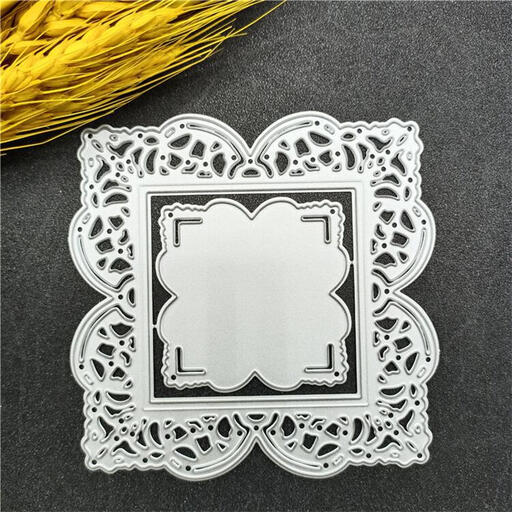
Why This Fits Their Persona: A background or border format is practical for regular card batches, scrapbook layouts and journal decoration where a repeatable frame or all-over pattern is useful.
The named background-border function gives a clear purpose, helping frequent users avoid buying a small motif when they need broader coverage.
Designed as a background or border; suitable for scrapbook paper, cards and embossing templates.
We have compiled a complete, real-time list of products that fully satisfy these strict selection criteria and UK safety regulations.
They are generally designed for repeated use, but lifespan depends on the die’s construction, the paper materials selected, machine pressure and plate condition. Thick, abrasive or glitter-covered card may cause more wear than ordinary cardstock. Avoid excessive force and replace heavily bent or damaged pieces.
Most metal cutting dies require a compatible manual or electronic die-cutting machine. They are not normally a substitute for scissors or a handheld punch. Check the product listing and your machine’s instructions before buying, particularly if the listing also mentions embossing stencils.
Standard craft cardstock is a sensible starting point. Thin paper is useful for layering but may tear around intricate details, while heavy card may need a different pressure setting. Always check the machine’s permitted material range and make a small test cut before producing wedding, birthday or Christmas projects.