
24/7 Customer Support

Free returns

Same-day & Next-day Delivery

Quality Guaranteed

Unlock Your Welcome Offers: FREE Delivery | Up to 80% OFF | Free 30-day JoyPlus trial
Download the APP
Creating handmade cards and scrapbook pages can be an affordable, rewarding hobby, but the wrong tools quickly lead to wasted paper, uneven designs and unused supplies. Before buying metal cutting dies for card making, it helps to separate useful features from attractive product wording.
This guide covers the practical checks that matter for UK crafters, including die size, machine compatibility, design versatility and safe storage. It also highlights suitable options for different crafting styles, from occasional card makers to scrapbookers who produce detailed projects regularly.
A cutting die may look suitable but still be incompatible with your manual die-cutting machine. Check the manufacturer’s guidance for the machine’s platform, cutting plates and recommended material thickness. Some designs may also require an embossing mat or a different cutting sandwich.
If the product listing does not provide dimensions or compatibility information, treat that as a reason to check before ordering rather than assuming it will work.
A set containing many pieces is not automatically better value. Some packs include several tiny shapes that are difficult to handle or designs that do not suit your usual card size. Consider whether the set includes useful basics such as borders, frames, leaves, lettering or focal shapes.
For many beginners, one versatile set of paper craft dies is more practical than a large collection with limited uses.
Product titles can combine terms such as clear stamps, embossing stencils and metal cutting dies. These tools do different jobs:
Understanding this difference prevents disappointment when a set does not perform every function implied by its title.
Measure the cards, tags or scrapbook pages you normally make. A die intended for a large album layout may overwhelm an A6 card, while a small flower cutting die may be ideal for layered embellishments.
Look for:
For frame die cuts, compare the inner opening with the photographs, sentiments or patterned paper you plan to display.
Metal cutting dies should have clearly defined cutting edges and a shape that is easy to release from paper. Product information may not always state the exact metal composition, so avoid assuming that a listing uses a particular grade or coating.
Intricate scrapbooking dies often need more careful paper removal than simple silhouettes. A small die brush, pick or release tool can help, but very fine designs may still require slower rolling and suitable paper.
Check whether the die is intended for use with a manual roller machine, an electronic cutting machine or a particular embossing setup. Also confirm the recommended materials. Lightweight paper, standard card and textured card can behave differently.
Before cutting a finished project:
These steps help reduce paper waste and protect both the die and cutting plates.
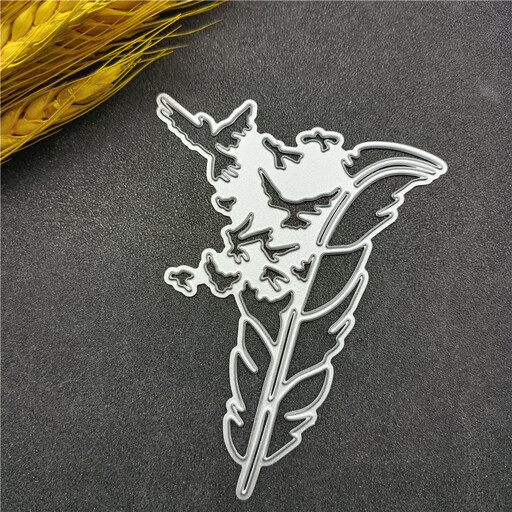
Why This Fits Their Persona: A flower-themed design is a practical starting point for greetings cards, scrapbook album decorations and seasonal paper crafts.
Its stated use covers card making, scrapbooking and paper craft, helping a new crafter choose one theme with several project applications.
Flower and leaf styling; suitable for cards, albums and paper embellishments.
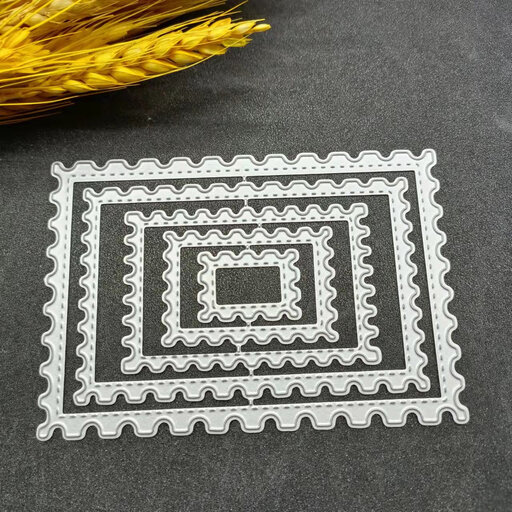
Why This Fits Their Persona: Crafters who prioritise neat presentation can use frame shapes to create structured borders around photographs, sentiments and patterned paper.
The product is described specifically as wave-edge and postage-stamp frame shapes, rather than relying only on vague multi-purpose wording.
Frame-focused designs; suitable for borders, layered panels and scrapbook layouts.
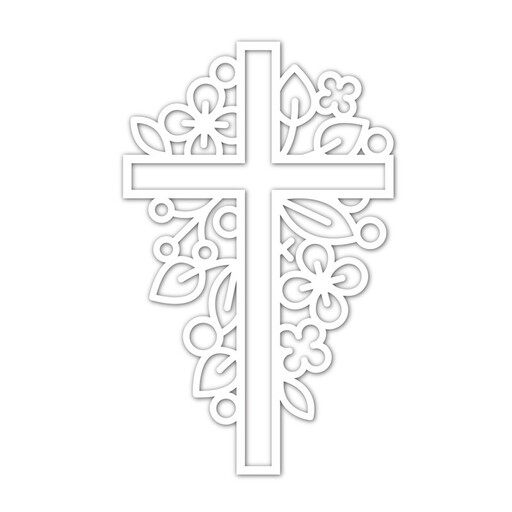
Why This Fits Their Persona: Suitable for makers producing religious cards, memorial stationery or Christian-themed scrapbook pages who need a defined focal motif.
The design theme is clearly identified as cross and religious, so it is less likely to be an unsuitable generic set for a specific project.
Cross-themed die cuts; intended for card making, albums, embossing and paper crafts.
A coordinated project may use several DIY card-making supplies, but each tool should have a clear role. For example, use a frame die cut to create a border, a clear stamp for a message and a flower cutting die for a layered embellishment.
When buying a combined stamp die set, check whether the listing includes both the stamps and the metal dies. Some products use similar wording but specify “only cutting dies” in the title. You will also need compatible ink, an acrylic block for clear stamps and suitable card stock.
Useful additions include:
For repeated crafting, store dies flat and separated from moisture. Clean paper fibres from the cutting edge, and avoid bending thin dies when removing them from packaging.
We have compiled a complete, real-time list of products that fully satisfy these strict selection criteria and UK safety regulations.
No. Compatibility depends on the machine’s platform, plate arrangement and recommended material thickness. Check the machine instructions and product measurements before buying. If embossing is mentioned, confirm whether an embossing mat or separate accessory is required.
Lifespan depends on the frequency of use, materials, machine pressure and storage. Cutting abrasive or unsuitable materials can affect performance. Using the recommended card stock, avoiding forced rollers and keeping dies dry can help preserve the cutting edge.
Dies do not require ink, but they do require a compatible cutting machine and replacement plates may eventually be needed. Clear stamps require ink pads and cleaning materials. Your ongoing cost therefore depends more on the projects you make and the tools already in your craft collection than on the die alone.