
24/7 Customer Support

Free returns

Same-day & Next-day Delivery

Quality Guaranteed

Unlock Your Welcome Offers: FREE Delivery | Up to 80% OFF | Free 30-day JoyPlus trial
Download the APP
Metal cutting dies for card making can turn plain cardstock into flowers, borders, frames, festive motifs and layered decorations. However, choosing a set based only on an attractive picture can lead to disappointing results. The die may be too large for your machine, too intricate for your preferred paper, or designed for cutting when you actually need embossing.
This guide explains the practical details to check before buying, then matches a selection of paper craft dies to different crafting styles and budgets.
Most metal dies are intended for use with a manual or electronic die-cutting machine, but compatibility is not automatic. Machines differ in platform size, cutting sandwich, roller clearance and recommended materials. A large frame may not fit through a compact machine, while a detailed die may require the correct cutting plates and shims.
Always check:
If this information is missing, treat the listing cautiously rather than assuming universal compatibility.
Product photographs may show finished cards decorated with paper, gems, stamps or sentiments. The listing may contain only the metal die. Other card-making supplies, including cardstock, adhesives, ink, embossing folders and a die-cutting machine, may need to be purchased separately.
Check the wording carefully for terms such as “only cutting dies”, “template” or “stencil”. These descriptions indicate that accessories shown in the image may not be included.
Fine patterns can create attractive scrapbook die cuts, but narrow sections may be harder to release from thick or fibrous cardstock. Small pieces can also remain attached if the cutting plate pressure is not suitable.
For regular projects, consider combining an intricate design with simpler border dies, frame dies or solid background shapes. This gives you more flexibility when making cards, invitations and photo album decoration.
Compatibility is the first non-negotiable point. Look for a stated machine format or compare the die’s measurements with your machine’s platform. A die that fits the width may still need a particular plate arrangement. Follow your machine’s instructions and avoid forcing a sandwich that feels too thick.
For embossing stencils, also check whether an embossing mat or silicone accessory is required. A cutting die and an embossing stencil may look similar, but they can create different results and require different pressure settings.
Measure the finished shape against your usual card blanks. A small flower may suit a greeting card front, while a larger framework could work better for a scrapbook page or album cover.
Useful design categories include:
If you mainly make standard A6 cards, choose designs that leave enough room for a sentiment and a neat margin.
Product listings do not always provide detailed metal specifications, so avoid assuming that a particular finish guarantees a longer working life. Instead, focus on practical use. Test a new die with suitable paper, use a clean cutting surface and rotate the die occasionally if your machine instructions permit.
Store dies flat or in labelled pockets to reduce loss and bending. Remove paper fragments from detailed patterns with a soft brush or a pokey tool, taking care around sharp edges. These habits can help maintain clean scrapbook die cuts over repeated projects.
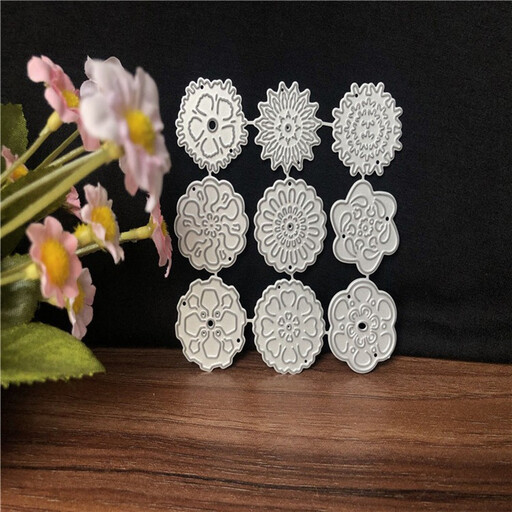
Why This Fits Their Persona: A broad background and album-decoration concept suits beginners building a small collection for cards, scrapbook pages and DIY paper crafts.
Its description identifies both paper craft and embossing-stencil uses, making the intended application clearer than a listing with only a finished-card photograph.
Suitable for card making and photo album decoration; can support both cut and embossed design work when used with compatible equipment.
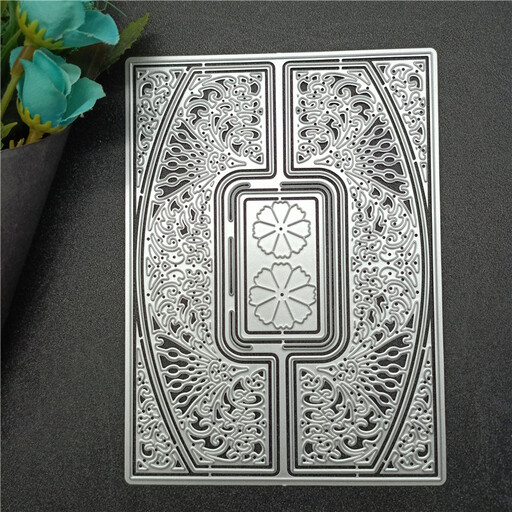
Why This Fits Their Persona: Suitable for crafters who prefer a structured floral framework that can form a focal panel on handmade cards or scrapbook layouts.
The framework format helps you judge the intended layout before buying, reducing the risk of selecting a motif that is too isolated for your card designs.
Flower framework design; described for card making, embossing and scrapbook-machine use.
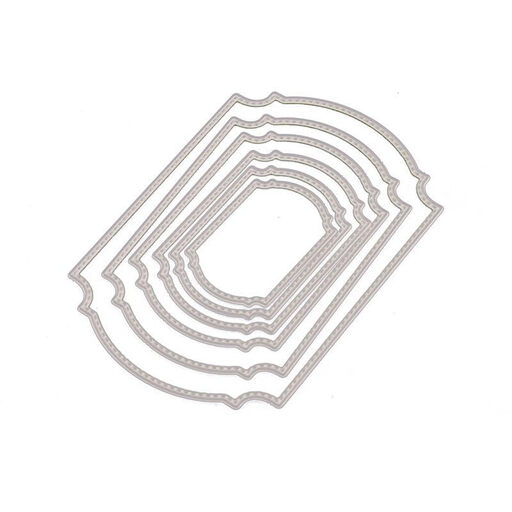
Why This Fits Their Persona: A six-piece nesting set is practical for crafters producing repeated card panels, layered mats, scrapbook pages or photograph mounts.
Multiple sizes reduce dependence on a single fixed frame, helping you match the die to different card blanks and photo-album formats.
Six different sizes; stitched irregular rectangular frame format for layered paper crafts and scrapbook decoration.
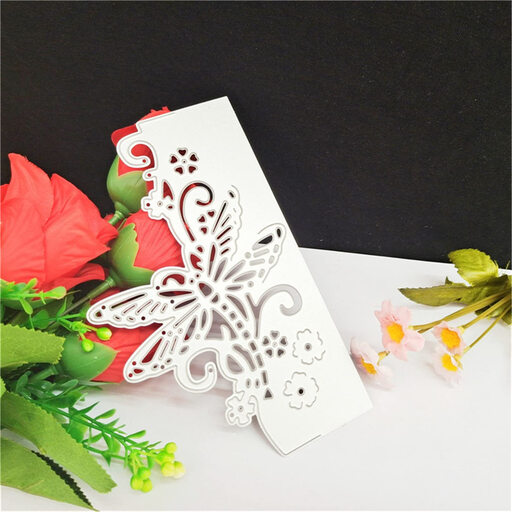
Why This Fits Their Persona: A Christmas-focused design suits makers preparing seasonal greetings, tags, decorations and festive scrapbook pages in batches.
The seasonal purpose is explicit in the product description, so it is easier to assess whether the design fits your planned projects before ordering.
Christmas theme; listed for card making, scrapbooking, paper craft punching and embossing-stencil use.
We have compiled a complete, real-time list of products that fully satisfy these strict selection criteria and UK safety regulations.
Before cutting a finished card, make a trial piece using the same cardstock. This shows whether the pattern releases cleanly and whether the layers fit together. For layered flower dies, use contrasting or complementary colours and secure each layer with a small amount of adhesive.
For detailed shapes:
A selection combining floral motifs, frames, borders and seasonal designs is usually more adaptable than several similar patterns. You can also pair metal dies with paper punches for crafts when you want quick shapes without setting up a die-cutting machine.
No. Compatibility depends on the machine’s platform, roller clearance, plate arrangement and the die’s size. Check the product measurements and your machine manual before purchase. Never force a thick or unsuitable sandwich through the rollers.
Some products are described for both cutting and embossing, while others are cutting dies only. Embossing may require a separate mat or adapter. Read the listing and follow the machine manufacturer’s instructions to avoid damaging the die, plates or machine.