
24/7 Customer Support

Free returns

Same-day & Next-day Delivery

Quality Guaranteed

Unlock Your Welcome Offers: FREE Delivery | Up to 80% OFF | Free 30-day JoyPlus trial
Download the APP
Metal cutting dies for card making can turn plain cardstock into layered flowers, borders, seasonal motifs and detailed paper decorations. However, product listings often use similar wording for very different designs, sizes and pack contents. Choosing by image alone can leave you with dies that do not fit your scrapbook machine, produce fragile cuts or are too small for the project you had planned.
This guide explains the practical details to check before buying, then matches selected options to different crafting habits and budgets.
Many scrapbook machine dies work with manual die-cutting and embossing machines, but compatibility depends on the machine’s platform, cutting plate arrangement and the die’s thickness. A listing may say “scrapbook machine dies” without naming compatible models.
Before ordering, check:
If the listing does not provide dimensions, contact the seller or allow for uncertainty rather than assuming the design will fill an A6 or square card.
Some products are designed to cut through paper, while others create a raised or impressed pattern. A die may also support both functions when used with the correct plates and embossing mat, but this is not automatic.
Terms such as embossing stencils, “die-cut mould” and “paper craft cutting dies” can describe overlapping products. Read the product title and images carefully to establish whether you are buying:
A multi-piece pack can appear good value, yet several pieces may be near-identical sizes or only useful for one occasion. Consider how often you will use the theme. A Christmas border may be useful for seasonal cards, but a flower, leaf or frame set can work across birthdays, weddings, journals and photo album decoration.
Also check whether the product includes only the metal dies. Some listings mention stamps, templates or embellishments in the title, while the actual pack may contain just the cutting dies.
Carbon steel is commonly used for thin metal cutting dies. Product 6, for example, specifically describes its four-piece set as carbon steel. This indicates the material listed by the manufacturer, but it does not by itself guarantee a particular lifespan or cutting performance.
Look for clean, even outlines and avoid designs with visibly bent edges, incomplete joins or excessive burrs. Store dies flat or in a protective sleeve to reduce the risk of bending and surface damage.
Fine details, narrow branches and lace-style borders can be attractive but may be more demanding to release from cardstock. For beginners, medium-detail shapes with open areas are generally easier to handle than highly intricate backgrounds.
Check the intended paper weight where stated. For card making, test a small piece of matching cardstock first. If the design sticks, use a release sheet or carefully loosen small sections with a craft tool. Do not force paper through a machine if the plate stack feels unusually tight.
A practical set should match your project rather than simply contain more pieces. Flower cutting dies and leaf sets can support many handmade cards, while Christmas cutting dies, wedding designs and Valentine’s motifs are more occasion-specific.
For scrapbookers, consider whether the die suits a 12-inch page, a smaller photo album, a journal spread or a card front. Border dies and background patterns can provide structure, while individual motifs are useful for layering and focal points.

Why This Fits Their Persona: A four-piece pack gives new crafters several shapes to practise with before investing in more specialised designs. It is suitable for basic paper cards, scrapbook pages and small DIY projects.
The stated four-piece count is clear, helping buyers compare pack contents instead of relying on a crowded product image.
The listing identifies carbon steel construction and four separate metal dies.
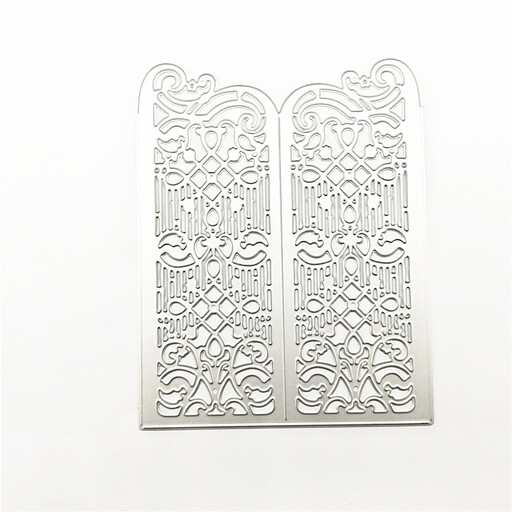
Why This Fits Their Persona: This option suits makers who move between cards, journals, photo albums and scrapbook layouts and want one design family for several formats.
Its stated uses include scrapbooking, card making, journal work and photo album decoration, rather than one narrowly defined occasion.
It is described as a metal embossing and cutting template for multiple paper craft applications.
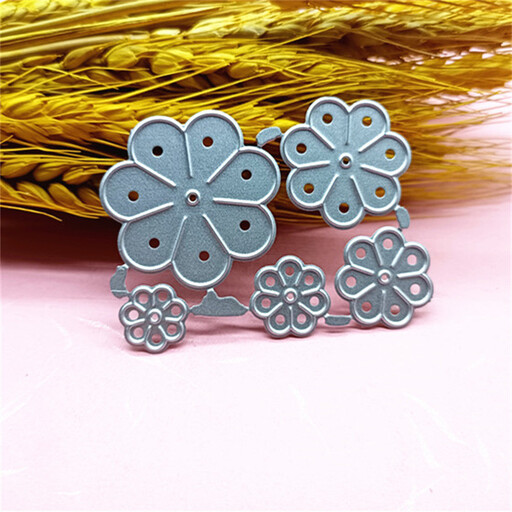
Why This Fits Their Persona: Frequent card makers and scrapbookers can use layered petals and leaves across birthday cards, wedding card embellishments, journals and album decoration.
The layered format offers separate elements for building a motif, rather than a single-use greeting or seasonal outline.
The set is specifically described as layered flower, petal and leaf dies for paper cards and decorative crafts.
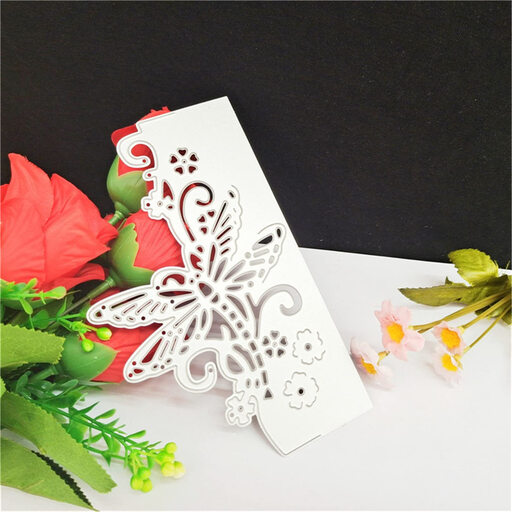
Why This Fits Their Persona: This design is aimed at crafters preparing Christmas cards, festive scrapbook pages and seasonal album projects.
The title identifies Christmas use, paper craft punching and background embossing, making the intended application easier to assess.
It combines a Christmas theme with a background-style design and embossing-stencil function.
Use a firm, flat work surface and place the die with its cutting edge facing the correct side of the cardstock. Follow your machine manufacturer’s plate instructions rather than adding extra shims automatically. For intricate scrapbooking die cuts, run the sandwich through steadily and avoid forcing the handle.
After cutting, remove small paper pieces gently. A brush, poking tool or release paper can help with detailed designs. Keep unused dies dry and separated from loose craft tools. Store the original packaging if it protects the edges and makes individual pieces easier to identify.
For layered flowers, cut different colours of cardstock and attach the pieces with adhesive foam pads or paper glue. Border and background dies can be combined with plain mats, while wedding card embellishments and festive motifs work well when used sparingly around a central message.
We have compiled a complete, real-time list of products that fully satisfy these strict selection criteria and UK safety regulations.
Many thin metal dies are intended for manual die-cutting and embossing machines, but compatibility varies. Check the machine’s instructions, die thickness and required plate arrangement before purchase. If the product page does not state dimensions, confirm them before ordering.
Cardstock is commonly used for handmade cards, while lighter paper can suit journals and photo album decoration. The suitable weight depends on the die detail and machine. Test a small sample first, especially with narrow lettering, lace borders or layered shapes.
Lifespan depends on the material, design detail, paper type, machine pressure and storage. Avoid forcing a tight plate sandwich, cutting unsuitable materials or bending the die during paper removal. Cleaning and flat storage can help preserve the cutting edge, but no fixed lifespan should be assumed.