
24/7 Customer Support

Free returns

Same-day & Next-day Delivery

Quality Guaranteed

Unlock Your Welcome Offers: FREE Delivery | Up to 80% OFF | Free 30-day JoyPlus trial
Download the APP
Buying metal cutting dies for card making can seem straightforward until a new set fails to fit your die-cutting machine, produces incomplete cuts or contains shapes that do not suit your projects. Whether you make greeting cards in a spare room, decorate family photo albums or build scrapbook layouts, a little product checking can prevent wasted paper and money.
Product images can make a die appear larger than it is. A delicate butterfly may suit a small card, while a frame die may be too narrow for an A5 front. Before ordering, check the listed dimensions and compare them with your usual card blanks, scrapbook pages and cutting plates.
Most metal dies are designed for use with a compatible manual or electronic die-cutting system, but sandwich thickness, cutting-plate size and pressure settings vary. A die may physically fit the platform yet still require a different plate arrangement. Check the manufacturer’s instructions for your machine and avoid forcing a stack that feels too tight.
Some listings show several decorated examples, while the purchase may include only one die or a small selection. Read the product title and description carefully. Look for the stated quantity, whether stamps or tools are included, and whether the pictured paper, embellishments and plates are sold separately.
Carbon steel die cuts are commonly selected for their thin profile and ability to create detailed outlines in paper and card. However, material alone does not tell you how intricate the result will be. Fine lace edges, narrow leaves and small lettering need careful alignment and may require several passes, depending on the card stock and machine.
For simple shapes, a single-layer die may be sufficient. Layered flower cutting dies or multi-part butterfly designs offer more flexibility, but they also create extra assembly work. Consider whether you want a quick outline or a dimensional embellishment.
Confirm the die’s compatibility with your cutting machine before purchasing. Check:
These points are particularly important when buying scrapbooking cutting dies, paper craft dies or embossing templates from an unfamiliar listing.
Choose shapes that match the projects you make most often. Frame cutting dies can create a repeatable border for invitations and photographs. Lace border dies are useful for card edges and scrapbook panels, while number dies can personalise birthdays, anniversaries and milestone pages.
A mixed set may offer more creative options, but a focused design such as flowers, butterflies or numbers can provide better value if it matches your regular projects. Also check whether the die cuts a complete shape, an outline, an aperture or an embossing pattern.

Why This Fits Their Persona: A four-piece set gives new card makers several designs to use across simple cards, scrapbook pages and small paper decorations without committing to one theme.
The title states the quantity and identifies carbon steel embossing templates, making it easier to compare the contents with the product image.
Four-piece format; carbon steel construction; suitable for DIY paper card-making projects.
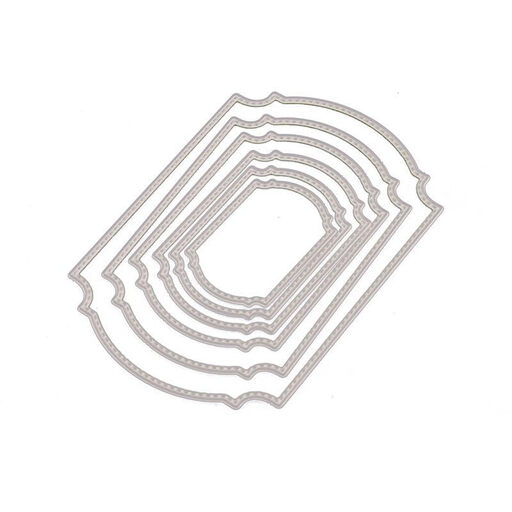
Why This Fits Their Persona: Crafters who value consistent layouts can use different-sized nesting frames for layered card fronts, photo album decoration and scrapbook mats.
The listing specifies six different sizes and a stitched, irregular rectangular format, reducing uncertainty about the set’s intended layout options.
Six sizes; nesting frame format; designed for card making and scrapbooking.
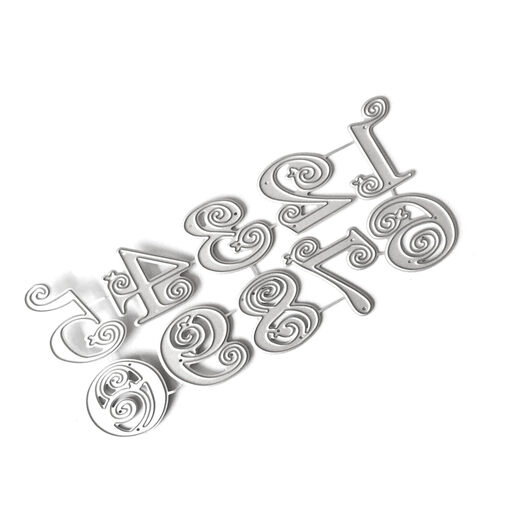
Why This Fits Their Persona: Frequent makers of birthday cards, milestone albums and personalised packaging can use number shapes across recurring projects.
A dedicated number set is more transparent for personalised projects than a mixed design pack where useful characters may be missing.
Carbon steel die-cut templates; number-focused design; suitable for card making, scrapbooking and paper embellishment.
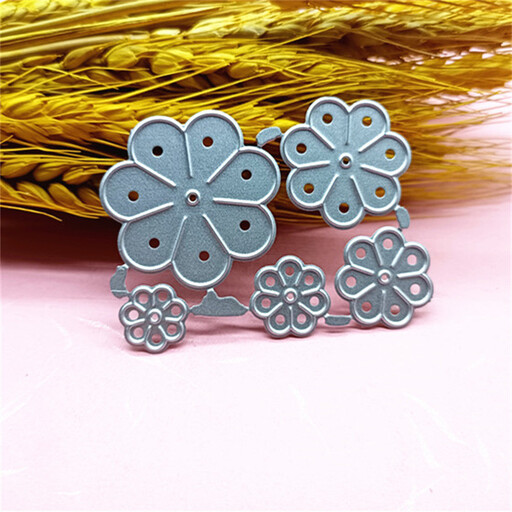
Why This Fits Their Persona: Ideal for makers who regularly create floral cards, seasonal scrapbook pages and layered decorative embellishments.
The product title clearly identifies layered petals and leaves, so shoppers can assess the assembly style before ordering.
Layered flower and leaf components; suited to DIY scrapbooking and paper card making; supports dimensional decoration.
We have compiled a complete, real-time list of products that fully satisfy these strict selection criteria and UK safety regulations.
No. Compatibility depends on the machine’s platform, plate arrangement and pressure system. Check the machine instructions and the die’s listed format before buying. Thin metal dies are not automatically compatible with every electronic cutter or manual press.
Their usable life depends on the frequency of use, the materials cut and how the die is stored. Paper and moderate-weight card are generally more suitable than very thick board. Keeping the cutting surface clean, avoiding excessive pressure and storing the dies flat can help preserve fine details.
They can be economical for people who make cards or scrapbook pages regularly, because one die can be reused with different colours and paper types. The initial cost also needs to include a compatible machine, plates, card stock and adhesives if these are not already in your craft collection.