
24/7 Customer Support

Free returns

Same-day & Next-day Delivery

Quality Guaranteed

Unlock Your Welcome Offers: FREE Delivery | Up to 80% OFF | Free 30-day JoyPlus trial
Download the APP
Buying metal cutting dies for card making can seem straightforward until a new set fails to fit your machine, produces incomplete cuts or turns out to be too specialised for regular use. For UK crafters, the main challenge is often separating useful specifications from decorative marketing language.
Whether you create handmade greeting cards, scrapbook pages, photo albums or personalised paper gifts, three common buying traps deserve attention before you place an order.
Most metal dies are designed for manual die-cutting machines, but compatibility can vary according to the machine’s platform, cutting plates and sandwich arrangement. A die may be the correct shape yet still be unsuitable if it is too large, too thick or intended for a different system.
Always check:
Some listings use terms such as embossing stencils, templates and die cuts together. These functions are related but not identical. A cutting die is intended to separate paper or card along a shaped edge, while an embossing stencil or embossing-compatible die creates a raised or indented pattern.
If you want a clean aperture, border or letter, confirm that the product is a cutting die. If you want texture on an intact sheet, look for embossing functionality.
Fine floral patterns, narrow borders and small lettering can be attractive but may require careful paper selection and cleaning. Very thin paper may tear during removal, while thick card may need more than one pass through a compatible machine.
For dependable results, match the design to your normal materials. Simple borders and larger motifs are generally easier for beginners, while intricate decorative paper dies suit crafters who are comfortable using release tools and small paper-piercing tools.
Many paper craft dies are made from metal, with some listings specifically describing carbon steel cutting dies. Carbon steel is commonly used for thin die construction because it can form detailed edges while remaining compatible with many manual cutting systems.
Material alone does not guarantee performance. Check whether the product description clearly identifies the material and whether the design appears suitable for the intended paper weight. Store dies dry and flat to reduce the risk of surface damage.
Consider the finished project before selecting a set:
A set with multiple related shapes can offer more layout options than a single decorative motif. However, a highly specialised theme may not be economical if you only make a few seasonal projects each year.
Before buying scrapbook machine dies, check your machine’s instructions and the die supplier’s information. Use the correct cutting plates, avoid forcing an unsuitable sandwich and remove paper carefully rather than bending the die.
For intricate designs, a small brush, poking tool or die-release sheet can help remove small paper pieces. Keep sharp dies away from children and store them in a labelled wallet or magnetic sheet.
The following options cover personalised lettering, framing, botanical designs and multi-piece crafting projects. Product descriptions should still be checked for dimensions and compatibility before purchase.

Why This Fits Their Persona: A four-piece set gives newcomers several shapes to try without committing to one narrow theme, making it suitable for occasional card making and DIY paper crafts.
The product listing identifies carbon steel and a four-piece quantity, helping buyers assess the material and set size rather than relying on vague design claims.
Four metal dies; carbon steel construction is stated in the product name; intended for paper card making and DIY craft.

Why This Fits Their Persona: Crafters who value personalisation can create names, initials, captions and short greetings for cards, albums and scrapbook layouts.
The set specifies 26 capital letters and 10 numbers, so its intended character range is clearer than a listing that only describes the product as a general template.
26 capital-letter dies; 10 number dies; listed for scrapbooking, card making, albums and paper crafts.
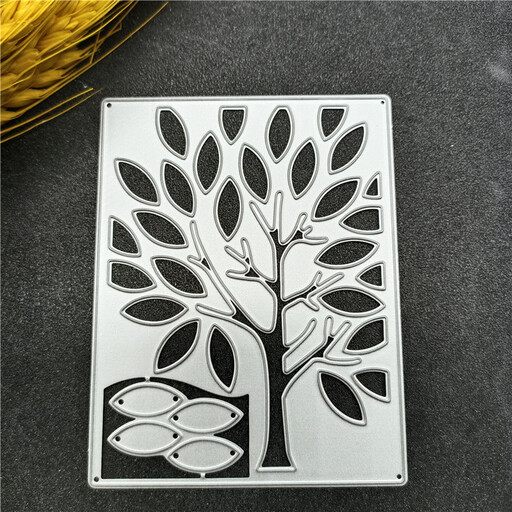
Why This Fits Their Persona: Frequent scrapbookers and handmade-card creators can use botanical motifs across birthdays, thank-you cards, weddings and album pages.
A defined branch-and-leaf theme makes the use case clear, reducing the risk of buying an attractive but difficult-to-coordinate design.
Botanical branch and leaf theme; listed as a card-making kit with embossing and scrapbook machine use.
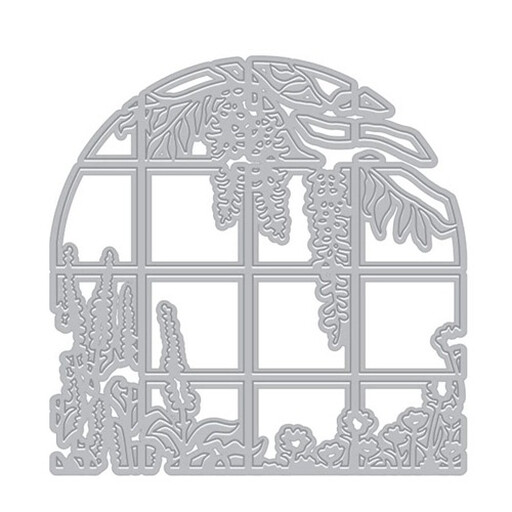
Why This Fits Their Persona: Suitable for makers who build structured card fronts, photo album pages or layered scrapbook compositions around a central frame.
The arch-frame format identifies its layout role clearly, making it easier to judge whether the shape suits your card size before buying.
Frame-focused design; listed for photo albums, decorative paper cards and greetings.
We have compiled a complete, real-time list of products that fully satisfy these strict selection criteria and UK safety regulations.
No. Compatibility depends on the machine platform, cutting plate system, die thickness and maximum working area. Review the machine manufacturer’s instructions and the product listing before purchasing.
Lifespan depends on use frequency, paper thickness, design detail, storage and machine pressure. Using suitable plates and avoiding excessive force can help preserve the die’s edge. Replace a die when it no longer cuts consistently or shows visible damage.
Some may cut thicker card, but the result depends on the die design and machine. Dense or layered card can require additional passes, while fine designs may work more reliably on lighter card stock. Check the listed specifications and test a small piece first.