
24/7 Customer Support

Free returns

Same-day & Next-day Delivery

Quality Guaranteed

Unlock Your Welcome Offers: FREE Delivery | Up to 80% OFF | Free 30-day JoyPlus trial
Download the APP
Creating personalised cards can be more satisfying and economical than buying ready-made designs, but the wrong tools may lead to wasted paper, uneven cuts and dies that sit unused in a drawer. When comparing metal cutting dies for card making, look beyond attractive pattern images and focus on machine compatibility, material details and the type of projects you regularly make.
This guide explains the main buying pitfalls, the specifications worth checking and a selection of products suited to different card-making styles.
Metal dies are generally used with a manual die-cutting or embossing machine, but machines differ in platform size, roller pressure and recommended cutting sandwich. A die may be too large for a compact machine or may require additional plates to achieve a clean result.
Before buying, check:
If these details are not listed, avoid assuming compatibility based only on the product photograph.
Highly intricate scrapbooking cutting dies can look impressive online but may be time-consuming to remove from paper. Very fine sections can also be difficult to handle when making several cards for birthdays, weddings or seasonal events.
Consider how the die will be used. A border, frame or repeated flower may provide more value across multiple projects than a single highly specific motif. For layered designs, check whether the pattern has enough open space for easy paper release.
Some listings use “die cuts”, “stencils” and “embossing” interchangeably. These functions are related but not identical:
Read the product title and description carefully, and check what is included before ordering.
Metal dies need a consistent cutting edge and a flat profile. Product listings may describe them as metal, carbon steel or artistic metal templates. Carbon steel is specifically identified in some sets, such as the 4-piece option featured below.
Do not judge material quality solely by colour or finish. Instead, look for:
Store dies flat and dry, preferably in a labelled wallet or magnetic storage sheet. This helps prevent loss and reduces contact with moisture.
A square lace background, floral frame or border die can cover a large part of a card front, while small flowers and leaves are more suitable for layering. Measure your card blanks before buying, especially if you use A6, square or custom-sized cards.
For scrapbook pages and photo albums, larger background dies can create a consistent visual panel. For card-making supplies intended for batch production, smaller motifs may be easier to position and repeat.
Most paper-craft dies are used with card, patterned paper or scrapbook paper, but thickness varies. Test a new die on spare material before using expensive cardstock. If the paper tears, check that:
Avoid adding excessive pressure, as this may damage plates or the machine. For embossing, a separate embossing mat or platform may be required.

Why This Fits Their Persona: A four-piece set gives beginners several templates to practise with while building a collection of card-making supplies for paper and card projects.
The listing identifies carbon-steel construction and the four-piece quantity, making the contents clearer than a single generic “stencil” description.
Four templates; carbon-steel material is stated; suitable for DIY craft and paper card making.
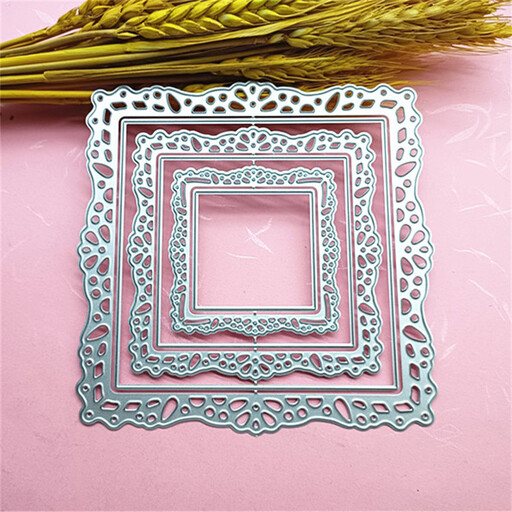
Why This Fits Their Persona: Crafters who prefer structured, decorative layouts can use a square lace background to form a defined panel on cards, albums or journal pages.
Its stated square hollow-lace format makes the design purpose clear, helping buyers distinguish a background die from a small embellishment.
Square background format; lace-style open pattern; listed for cutting and embossing applications.
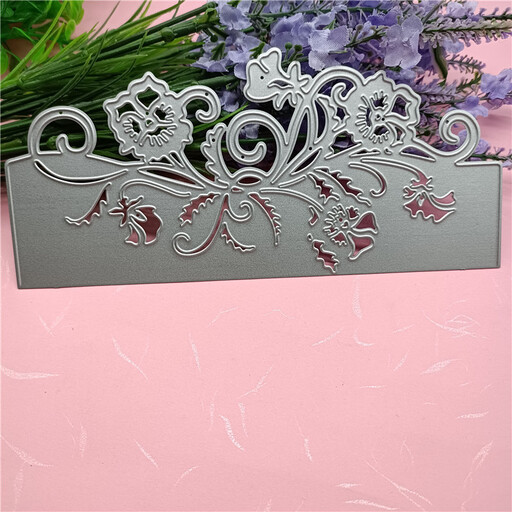
Why This Fits Their Persona: Useful for seasonal batches, this design is aimed at Christmas, birthday, wedding and blessing cards rather than general floral decoration.
The occasion-led wording clarifies its intended use, reducing the chance of buying a seasonal die when you need an all-purpose background.
Designed for Christmas-themed die cuts; also lists birthday, wedding and blessing-card decoration.
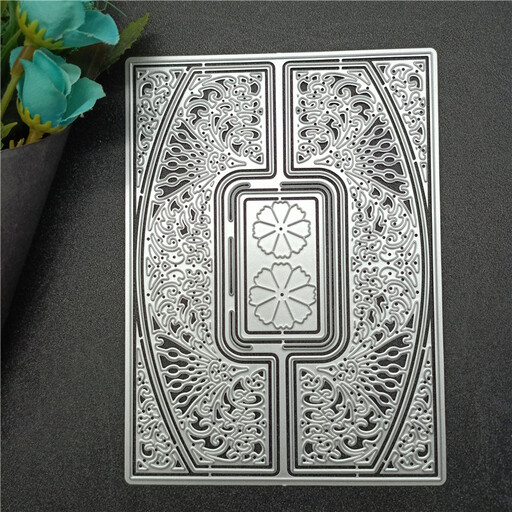
Why This Fits Their Persona: Suitable for makers who frequently create floral cards, scrapbook borders and layered paper decorations.
The framework and flower pattern are stated directly, so the die can be matched to a card layout before purchase.
Flower framework design; listed for paper die cuts, embossing and scrapbook machine use.
We have compiled a complete, real-time list of products that fully satisfy these strict selection criteria and UK safety regulations.
Keep paper scraps and metal die cuts away from damp craft rooms, and store them in a dry container. Remove tiny paper pieces carefully with a pick or soft brush rather than bending the die. If a design stops cutting cleanly, inspect the plates and paper first; worn machine plates can affect results just as much as the die itself.
For wedding card dies, flower cutting dies and Christmas card dies, plan the colour scheme and layering before cutting. This reduces discarded cardstock and helps you identify whether one design can serve several projects.
No. Compatibility depends on the machine’s opening, plate size and pressure system. Check the die dimensions and your machine’s instructions before ordering. Some embossing applications also require a specific mat or platform.
Most are used with paper, craft card and scrapbook cardstock, but the suitable thickness depends on the die and machine. Start with ordinary scrap paper or medium-weight card, then adjust the setup according to the cut quality.
Store them flat in a dry, organised wallet, magnetic sheet or lidded container. Keep detailed dies separated from loose metal items to reduce scratching, bending and misplacement.