
24/7 Customer Support

Free returns

Same-day & Next-day Delivery

Quality Guaranteed

Unlock Your Welcome Offers: FREE Delivery | Up to 80% OFF | Free 30-day JoyPlus trial
Download the APP
Creating handmade cards can be economical and rewarding, but the wrong die set may leave you with uneven cuts, incompatible equipment or designs that are difficult to use repeatedly. Before buying metal cutting dies for card making, it is worth looking beyond attractive product images and checking how each set fits your machine, materials and intended projects.
This guide explains the most common buying traps, the specifications that matter and a practical selection of paper craft dies for UK crafters.
Many metal dies are designed for manual die-cutting machines, but compatibility depends on the machine’s platform, cutting plates and recommended material thickness. A die may look suitable yet fail to cut cleanly if the machine does not provide enough pressure or if the sandwich arrangement is incorrect.
Check the product dimensions, your machine’s instructions and whether the die is intended for manual or electronic use. Do not force a plate combination, as this can damage the machine or bend the die.
Product listings often use terms such as “die cuts”, “embossing stencils” and “templates” together. These functions are related but not identical:
Read the full listing rather than relying on the product title alone. If you need scrapbook die cuts and embossed details, confirm that your machine and accessories support both processes.
A large pack is not automatically better value. Some sets contain several small pieces that are difficult to handle or have limited uses. Consider whether the shapes match your projects: flower cutting dies may suit floral birthday cards, while border cutting dies can add structure to scrapbook pages and framed designs.
For occasional card making, a focused set may be easier to organise. Regular crafters may prefer alphabet, sentiment or background sets that can be used across multiple occasions.
Most paper craft dies are intended for paper and card, but suitable thickness varies. Check whether the listing specifies card, scrapbook paper or other materials. Test a small piece first, particularly with textured, glittered or laminated card.
For layered designs, consider whether the die has enough detail for your chosen card stock. Fine patterns may need a clean, firm cutting plate and a careful pass through the machine.
Measure the die against your card blanks, scrapbook pages and envelopes. A large frame may create an attractive focal panel but leave little room for a greeting. Small motifs can be layered, repeated or combined with stamping and embellishments.
Look for the actual die dimensions where provided, rather than estimating scale from the listing image. This is particularly important when buying an alphabet die set, as letter height affects readability and spacing.
Thin metal dies can be misplaced easily, especially when a set contains individual letters or small decorative pieces. Storage pockets, magnetic sheets or labelled containers help keep sets together. Check the edges carefully when removing paper and store dies dry to reduce surface marks or corrosion.
For safe handling, keep dies away from children and avoid touching sharp cutting edges unnecessarily. Follow your machine manufacturer’s instructions and use appropriate supervision during crafting.
The following selections are matched to different crafting habits rather than ranked universally. Product titles and descriptions should be checked before purchase for current dimensions, contents, compatibility and delivery information.
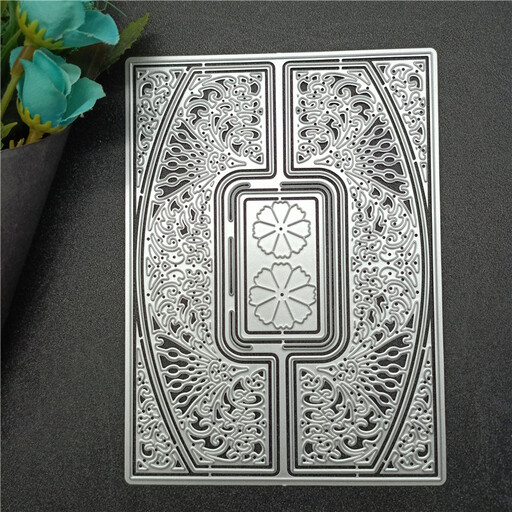
Why This Fits Their Persona: A flower framework is a practical starting point for crafters making birthday, thank-you and general greeting cards at home in the UK. It can form a central panel without requiring several separate decorative sets.
Its defined flower framework format makes the intended design clear, reducing the risk of buying a mixed set with pieces that have few practical uses.
Flower framework design; listed for card making, paper die cuts and scrapbook machine use.
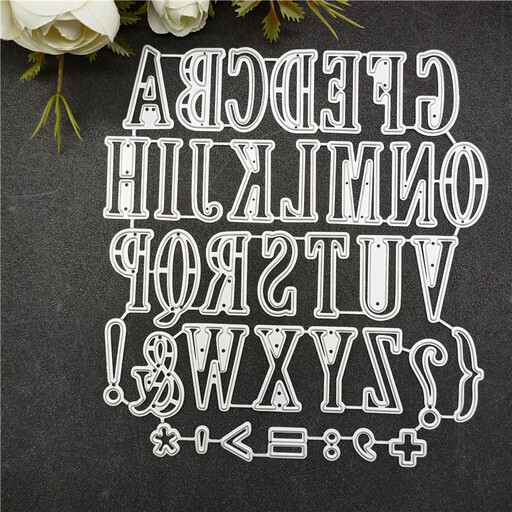
Why This Fits Their Persona: This set suits makers who want personalised cards, scrapbook headings and decorative names rather than one seasonal motif.
The listing identifies 26 capital letters, so buyers can assess the core contents before ordering instead of relying on a vague “letter set” description.
26 capital letter dies; suitable for scrapbooking, albums, card making and paper crafts.
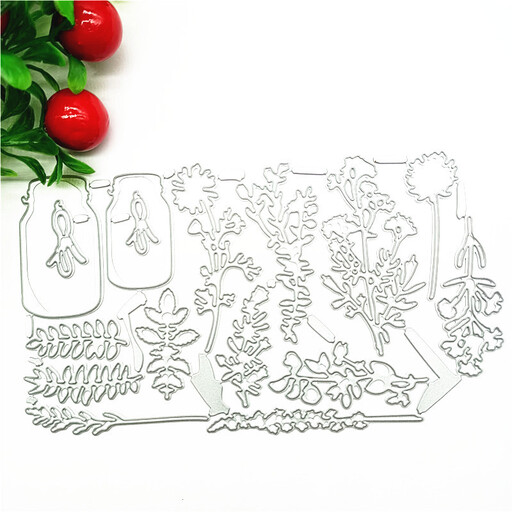
Why This Fits Their Persona: Border designs are useful for repeated layouts, photo albums and card edges, making this a suitable option for crafters who produce projects regularly.
A border-focused listing sets a clear use case, helping avoid purchasing an oversized decorative pack when edges and frames are the main requirement.
Border cutting design; listed for scrapbook albums, decorative paper and card-making templates.
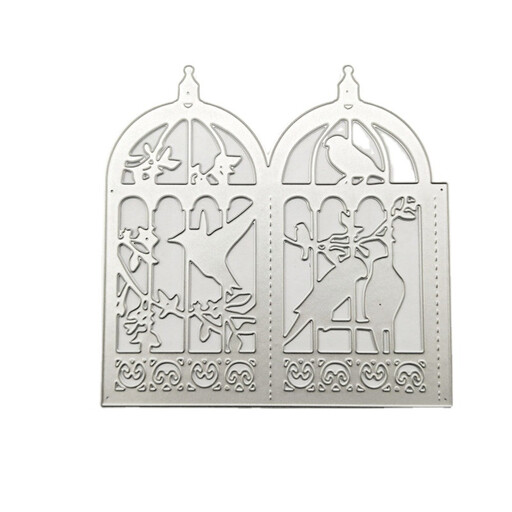
Why This Fits Their Persona: A wedding-themed set is suited to invitations, congratulations cards, keepsakes and coordinated scrapbook pages for special occasions.
The wedding-specific description makes the occasion clear, reducing the chance of buying generic birthday card embellishments for a formal project.
Wedding-oriented cutting designs; listed for scrapbook albums, paper cards and embossing projects.
For personalised projects, combine alphabet die sets with flower, leaf or butterfly motifs. For seasonal work, a festivals die set can be paired with coloured card, layering paper and simple birthday card embellishments.
No. Compatibility varies according to the machine type, platform size, cutting plates and required sandwich arrangement. Check the die dimensions and your machine’s manufacturer guidance before purchasing. If compatibility information is unclear, contact the seller before ordering.
Lifespan depends on the die’s construction, frequency of use, material thickness, machine pressure and storage conditions. Using suitable paper or card and avoiding excessive pressure can help reduce wear. Store the dies dry and protected, and inspect them for bending or surface damage.
They can be economical for regular crafters because one die may create multiple pieces from your own paper stock. However, the total cost also includes the machine, plates, card and storage. Occasional makers may prefer a small targeted set, while frequent scrapbookers may gain more value from reusable alphabet, border or decorative paper dies.