
24/7 Customer Support

Free returns

Same-day & Next-day Delivery

Quality Guaranteed

Unlock Your Welcome Offers: FREE Delivery | Up to 80% OFF | Free 30-day JoyPlus trial
Download the APP
By Joybuy Product Recommendation Officer
Choosing metal cutting dies for card making can seem straightforward until a new set fails to fit your machine, produces incomplete cuts or contains designs too delicate for everyday projects. Decorative dies are useful for handmade cards, scrapbook album decorations and DIY papercrafts, but product titles often provide less practical information than shoppers need.
Before buying, focus on compatibility, design dimensions and the type of project you intend to make. This guide explains the main pitfalls and highlights suitable options for different crafting habits.
Most metal dies require a compatible manual or electronic die-cutting and embossing machine. However, machines differ in platform size, roller clearance and recommended sandwich configuration. A die may be physically small enough for your machine but still need the correct cutting plates and shims.
Check:
Do not force a die through a roller. Excessive pressure can damage the die, plates or machine.
A large pack is not automatically more useful. A set containing many tiny motifs may be less practical than a smaller group of versatile paper cutting dies. Consider whether the designs can be combined with your existing supplies.
For example, flower cutting dies, leaves and frames can be used across birthday cards, thank-you notes, wedding stationery and scrapbook layouts. An alphabet die set may be more useful if you regularly personalise names, initials and greetings.
Intricate lace or floral patterns can create attractive results, but they may require more careful preparation and suitable card thickness. Very small cut-outs can also be harder to remove from the die.
For reliable results, begin with ordinary card stock and use a release sheet or waxed paper where appropriate. Always follow the machine and paper manufacturer’s instructions, particularly when using embossing stencils or detailed scrapbooking dies.
Look for the die’s approximate dimensions and compare them with your machine’s cutting area. A rectangular frame cutting die may work well for standard card fronts, while a larger background die may be intended for wider platforms.
If you are buying several sets, check that they share a similar thickness and format. This helps you use a familiar cutting sandwich rather than adjusting your machine for every project.
The listings in this guide describe the products as metal cutting dies. The cutting edge should sit evenly against the paper, with no visible bends or separation from the backing structure. Store dies flat or in a sleeve to reduce the risk of distortion and surface wear.
Metal dies are reusable, but their working life depends on the materials cut, pressure applied and storage conditions. Avoid using them with materials outside the machine’s instructions, such as thick plastic, adhesive-backed sheets or fabric, unless compatibility is specifically confirmed.
Choose designs according to your regular projects:
For UK craft rooms, compact sets are also easier to organise in drawers or labelled storage pockets.
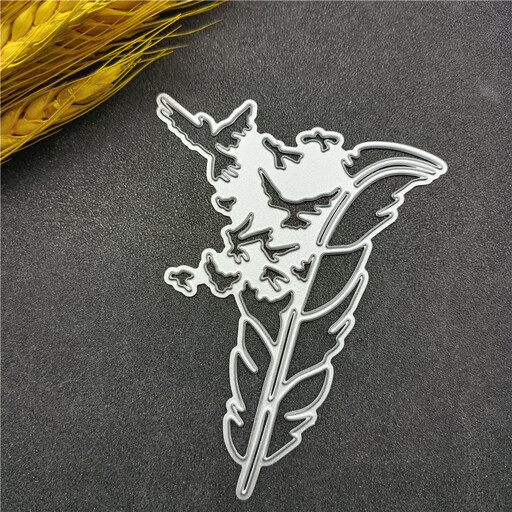
Why This Fits Their Persona: A flower-focused set gives beginners a straightforward starting point for greetings cards, album pages and seasonal papercrafts without committing to one wording or occasion.
Its clearly stated flower and card-making purpose makes it easier to judge suitability than a mixed pack with unclear applications.
Metal flower designs; listed for scrapbooking, album work and paper card embossing.
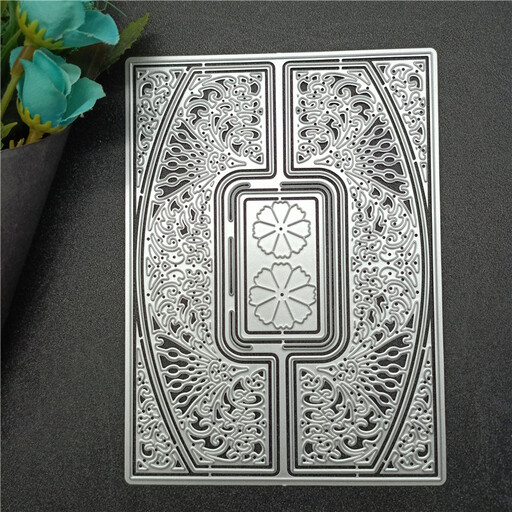
Why This Fits Their Persona: Suitable for crafters who want a decorative framework as a focal layer for more carefully planned card layouts and scrapbook pages.
The framework format gives the design a defined role, helping you assess its size and placement before purchase.
Flower-pattern framework; described for embossing, card making and scrapbook machines.
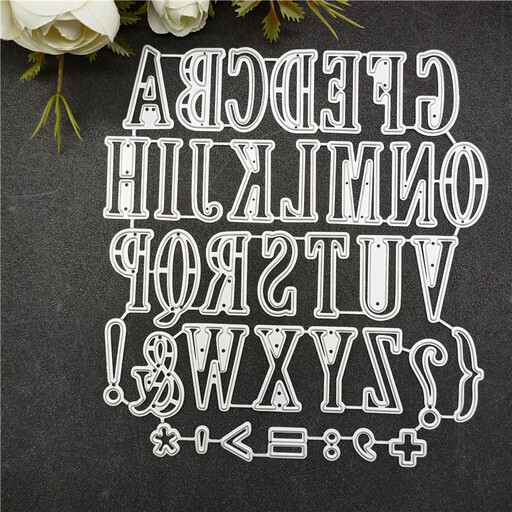
Why This Fits Their Persona: Regular card makers, small handmade businesses and scrapbookers can use capital letters to create names, initials, short greetings and album headings.
The listing identifies 26 capital letter dies, so the core character range is clear before ordering.
26 capital letters; intended for card making, scrapbooking, albums and papercrafts.
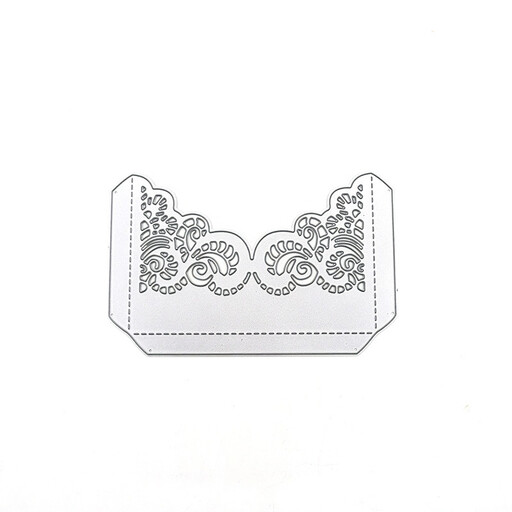
Why This Fits Their Persona: The lace flower border format is suited to wedding invitations, keepsake cards and formal scrapbook album decorations.
A defined border application helps avoid buying an assorted set that does not match the planned stationery design.
Lace flower border design; listed for invitations, photo albums and embossing projects.
We have compiled a complete, real-time list of products that fully satisfy these strict selection criteria and UK safety regulations.
No. Compatibility depends on the machine’s platform, roller opening, plate size and approved die format. Check the machine instructions and the product dimensions before purchasing. Never exceed the machine’s recommended pressure or material thickness.
There is no universal lifespan. Occasional use with suitable paper and correct pressure may help preserve the cutting edge, while frequent use, abrasive materials, excessive force and poor storage can cause faster wear. Replace a die if it becomes visibly distorted or repeatedly produces incomplete cuts under the correct setup.
Some dies are described as suitable for embossing, but the result depends on the die design, machine and embossing accessories. A cutting die normally creates an outline or cut shape; an embossing folder or dedicated embossing stencil may create a raised or recessed surface without cutting through the sheet. Check the listing and machine guidance for the required configuration.