
24/7 Customer Support

Free returns

Same-day & Next-day Delivery

Quality Guaranteed

Unlock Your Welcome Offers: FREE Delivery | Up to 80% OFF | Free 30-day JoyPlus trial
Download the APP
By Joybuy Product Recommendation Officer
Making handmade cards in the UK can be more economical and personal than buying ready-made designs, but the wrong die set may quickly become a frustrating purchase. Product listings often use terms such as “embossing”, “stencil” and “universal” without explaining what is included or which machine is required.
Before buying metal cutting dies for card making, check the construction, intended use and dimensions rather than relying on decorative photographs alone.
Most metal dies are designed for use with a compatible manual or electronic die-cutting machine. However, machines vary in platform size, roller pressure and recommended sandwich layers. A die that is too thick, too large or unsuitable for a particular machine may not cut cleanly.
Check the machine manufacturer’s instructions before ordering. If the listing does not state the die’s dimensions or compatibility, treat that as missing information rather than assuming it will work.
A cutting die has a raised cutting edge designed to separate paper or card. An embossing die or folder creates a raised or recessed pattern, but may not cut through the material. Some listings combine both terms, so read the product title and images carefully.
For layered greetings cards, look for paper craft dies that create separate motifs. For textured backgrounds, an embossing product may be more suitable. A die-cutting template cannot necessarily replace an embossing folder.
A detailed floral design may look suitable online but be too small for an A6 card, while a large background pattern may overwhelm a scrapbook page. Always compare the stated dimensions with your card blank, album page or stationery layout.
Also consider how much waste the design creates. Intricate decorative cutting dies can require careful removal of small paper pieces, particularly when using heavyweight card or glitter paper.
Many reusable dies are made from thin metal, with some products specifically described as carbon steel. A metal die should lie flat and have a clean, even cutting edge. Avoid bending or forcing a die into a machine, as this can damage both the die and the cutting plates.
The word “durable” in a listing is a product description, not a guaranteed lifespan. Actual performance depends on paper weight, machine pressure, storage and frequency of use.
Check whether the listing includes one design, several coordinating pieces, letters, numbers or additional stamps. Alphabet cutting dies and number cutting dies can be useful for personalised cards, but confirm whether the full alphabet or only selected characters is supplied.
For example, a set described as containing 26 capital letters and 10 numbers offers a clearer format for names, dates and ages than a product showing only a few sample characters.
Before cutting, use the correct cutting plates and platform layers recommended for your machine. Test the die on scrap paper first, especially with textured, laminated or thick card. Wax paper or a release sheet may help with intricate designs, but follow the die and machine instructions.
For UK craft rooms, store dies in a dry folder or magnetic storage sheet. Keeping them away from damp, loose tools and paper dust can help reduce surface marks and make small pieces easier to find.
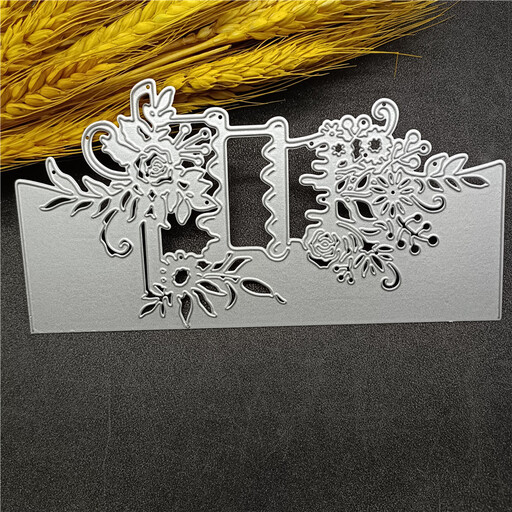
Why This Fits Their Persona: A general decorative option suits beginners building a small collection for cards, photo albums and everyday scrapbook projects.
Its stated uses cover both DIY card making and album decoration, making it less narrowly tied to one occasion.
Multi-purpose decorative format; suitable for paper craft and scrapbook layouts.

Why This Fits Their Persona: Suitable for crafters who value a coordinated personalisation tool for names, ages, dates and short messages.
The listed set contents are specific, so buyers can check the character range instead of guessing from promotional images.
26 capital letters; 10 numbers; suitable for card making, albums and paper crafts.
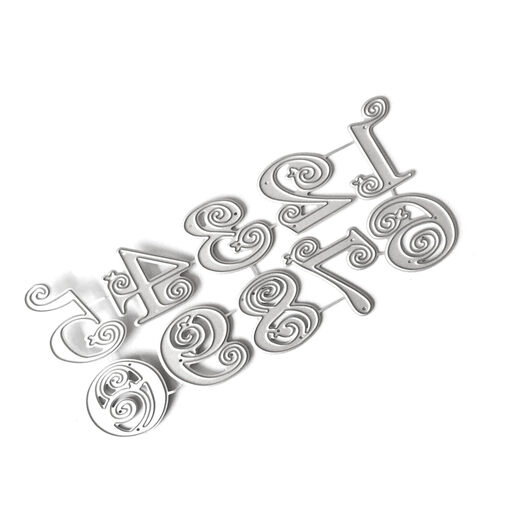
Why This Fits Their Persona: A focused choice for frequent birthday-card makers, packaging projects and scrapbookers who use numbers repeatedly.
The listing identifies carbon steel and the number-focused format, providing more useful information than a vague “metal” label.
Carbon-steel construction is stated; designed for numbers, packaging embellishment and card making.
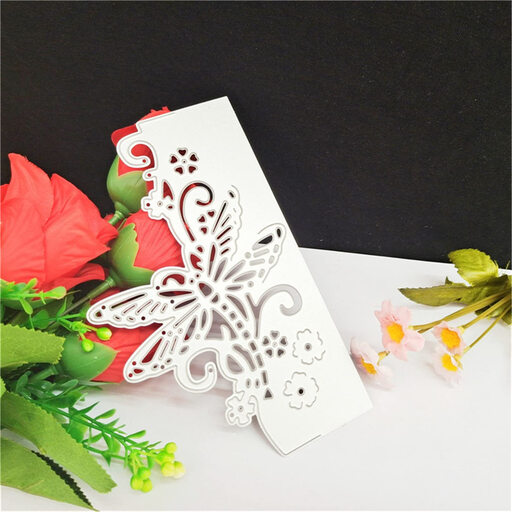
Why This Fits Their Persona: A practical option for creating festive cards, gift tags, album pages and seasonal decorations during the Christmas period.
Its stated Christmas and background-decoration uses make the seasonal purpose clear before purchase.
Season-specific design; listed for card making, scrapbook albums and paper craft decoration.
Before selecting scrapbooking cutting dies, confirm:
Paper thickness also affects results. Start with ordinary card stock before moving to metallic, adhesive-backed, glitter or handmade paper. If a design does not release cleanly, do not increase pressure beyond the machine’s instructions.
We have compiled a complete, real-time list of products that fully satisfy these strict selection criteria and UK safety regulations.
Yes, provided the die is compatible with the machine and the instructions are followed. Start with a simple shape and medium-weight card before trying intricate designs or layered die-cutting templates.
There is no fixed lifespan. Usage frequency, paper type, machine pressure, cleaning and storage all affect performance. Keeping dies flat and dry and avoiding excessive force can help preserve the cutting edge.
The die itself does not use electricity. A manual die-cutting machine operates by turning a handle, while an electronic machine requires power. Check the machine’s running instructions and accessories separately when budgeting for your card-making supplies.