
24/7 Customer Support

Free returns

Same-day & Next-day Delivery

Quality Guaranteed

Unlock Your Welcome Offers: FREE Delivery | Up to 80% OFF | Free 30-day JoyPlus trial
Download the APP
Creating handmade cards can be an economical way to personalise birthdays, weddings, Christmas, Valentine’s Day and other occasions. However, choosing metal cutting dies for card making is not simply a matter of picking the most attractive pattern. Compatibility, size, material and intended use all affect whether a die becomes a useful craft-room staple or remains in a drawer.
Joybuy’s Product Recommendation Officer has filtered the main points UK crafters should check before buying, along with practical product options for card makers, scrapbookers and paper-craft enthusiasts.
Many listings use terms such as “scrapbook machine dies” or “embossing stencil” without clearly explaining machine compatibility. Manual die-cutting machines can differ in platform size, roller pressure and recommended sandwich configuration.
Before ordering, check:
If the listing does not provide dimensions, avoid assuming that a large frame or background die will fit your machine.
Some metal templates are designed to cut, while others are intended primarily to emboss or create a decorative impression. A product may mention both functions, but the result depends on the die construction, paper thickness and machine settings.
For clean scrapbooking die cuts, look for a clearly defined cutting edge. For raised texture, check whether the product is described as an embossing template or stencil. Using the wrong plate combination may produce a shallow impression, incomplete cut or damage to the paper.
A highly specific sentiment or seasonal design may be suitable for one project but less useful throughout the year. Christmas cutting dies, wedding card embellishments and Valentine’s designs can be valuable if you make those cards regularly, but a basic frame, flower or alphabet set may offer more flexibility.
Consider whether the design can be layered, repeated, resized through nesting or combined with plain cardstock and patterned paper.
Listings may refer to carbon steel dies, metal cutting dies or simply craft templates. Carbon steel is commonly used for thin die-cutting tools, but the material name alone does not confirm cutting performance. Look for a defined cutting edge, clean finishing and product photographs that show the actual die rather than only a finished card.
Store dies flat and dry. Paper fibres and adhesive residue can collect around fine details, so wipe them carefully with a dry, soft cloth after use.
Small sentiments and alphabet die sets need enough space around each letter for handling. Intricate flower cutting dies and lace frames may require more passes through the machine, especially when used with heavier cardstock.
Before buying, match the die size to your typical projects:
Cardstock varies in thickness and density. Lightweight paper may release more easily from a detailed die, while thicker card can create a more substantial embellishment but may require additional passes. Always follow the cutting-machine manufacturer’s instructions and avoid forcing a plate stack that does not fit.
For a versatile collection, combine one or two detailed designs with simpler paper craft cutting dies, border cutting dies or DIY card-making templates.
The following options are matched to different crafting habits. Product descriptions should still be checked for current dimensions, pack contents and machine compatibility before purchase.

Why This Fits Their Persona: A four-piece set gives new crafters several templates to try without committing to one narrow theme. It is suited to occasional card making, paper crafts and simple scrapbook projects.
The product title identifies both the four-piece quantity and carbon steel construction, making the basic selection easier to assess than an unspecified single template.
Four dies in one set; described for card making, paper crafts and embossing templates.
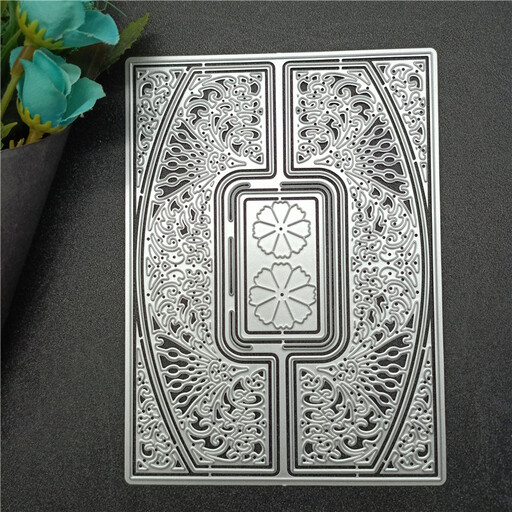
Why This Fits Their Persona: This framework-style design suits crafters who prioritise a coordinated card-front layout and layered floral decoration rather than individual small motifs.
A framework pattern has a defined visual role, helping buyers judge whether it matches their card size and preferred composition before ordering.
Flower framework format; listed as a card-making kit with embossing and scrapbook-machine use.
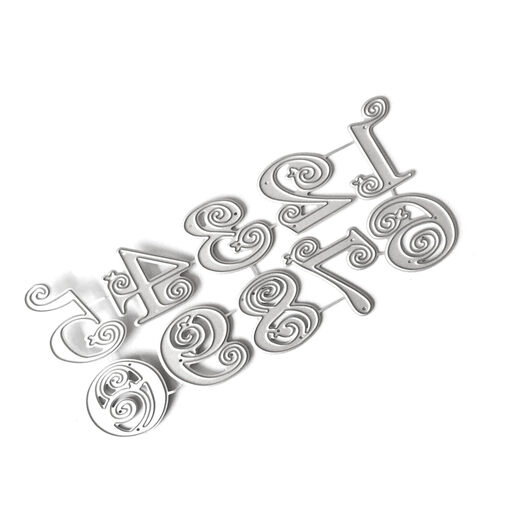
Why This Fits Their Persona: Regular card makers can use number cutting dies for ages, milestone birthdays, anniversaries, table numbers, packaging and scrapbook dates.
Its purpose is clear from the product name, reducing the risk of buying a decorative set that cannot support personalised dates or ages.
Carbon steel construction is specified; number designs are suited to repeated personalised projects.
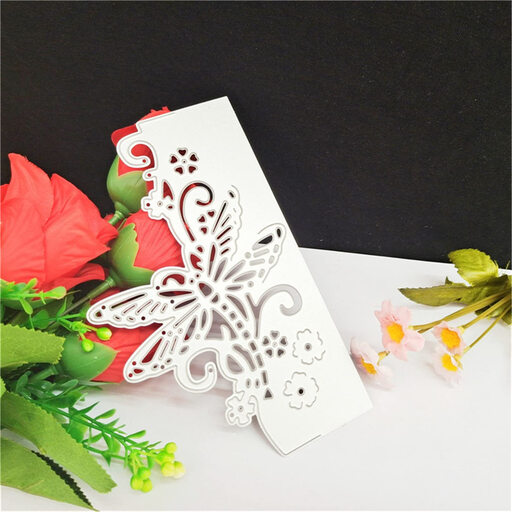
Why This Fits Their Persona: This option is directed at makers preparing festive cards and seasonal scrapbook pages, particularly when a consistent Christmas theme is more useful than an all-year set.
The Christmas theme is stated clearly, so buyers can make an informed choice about seasonal reuse rather than expecting a general-purpose collection.
Christmas-specific die-cut theme; listed for card making, scrapbook decoration and embossing stencils.
We have compiled a complete, real-time list of products that fully satisfy these strict selection criteria and UK safety regulations.
Die-cutting tools do not have a fixed lifespan. Their useful life depends on the metal, edge detail, cutting pressure, paper type and storage conditions. To help preserve them:
An alphabet die set or number set can support frequent personalised projects, while flower, border and seasonal dies are useful additions for particular styles. For wedding card embellishments, consider pairing a border design with letters or numbers rather than buying several narrowly themed sets.
No. Compatibility depends on the machine type, platform and die thickness. Check the product dimensions and your machine’s instructions before purchase. If the listing does not specify compatibility, contact the seller or choose a product with clearer technical information.
Most paper-craft dies are used with paper or cardstock, but the suitable thickness varies by machine and die detail. Start with standard craft paper or medium-weight cardstock, then adjust only within the machine manufacturer’s guidance. Avoid forcing thick, laminated or heavily embellished materials.
Carbon steel is a stated material specification, but it does not by itself guarantee a particular lifespan. Longevity also depends on edge finishing, storage, pressure settings and how frequently the die is used. Compare the construction information alongside dimensions, intended materials and machine compatibility.