
24/7 Customer Support

Free returns

Same-day & Next-day Delivery

Quality Guaranteed

Unlock Your Welcome Offers: FREE Delivery | Up to 80% OFF | Free 30-day JoyPlus trial
Download the APP
Choosing metal cutting dies for card making can feel straightforward until a die fails to fit your machine, produces incomplete cuts or turns out to be too small for the project you had in mind. UK crafters often buy based on an attractive product image alone, then discover that the dimensions, cutting style or included pieces do not match their plans.
This guide explains the main buying pitfalls, the specifications worth checking and suitable options for different crafting habits.
Metal cutting dies are designed for use with particular types of die-cutting and embossing machines. Compatibility can depend on the machine’s platform, cutting plates, sandwich configuration and maximum working width. A die may be physically small enough to fit but still require a specific plate arrangement.
Before ordering, check:
Product listings sometimes use terms such as die-cutting stencils, embossing templates and paper craft dies interchangeably. They are related, but their functions can differ.
A cutting die is intended to cut a shape from paper, card or another suitable sheet material. An embossing template or embossing folder creates a raised or recessed pattern, but may not cut through the material. Some designs can support both cutting and embossing when used with the correct machine accessories.
Read the product title carefully, particularly phrases such as “only cutting dies”. This helps avoid paying for a stamp set or embossing accessory that is not included.
Highly detailed floral cutting dies and lace-style frame dies can produce attractive results, but intricate patterns may be more demanding to remove from the paper. Very thin card, fibrous handmade paper or heavily textured stock can tear around delicate sections.
For regular card making, consider keeping a mix of:
The listed die size is not always the same as the finished decorative area. A frame die may include an outer border, while a layered floral die may create several separate pieces. Check whether the dimensions refer to the complete set, the largest die or an individual element.
For standard handmade cards, compare the die dimensions with common card formats such as A6 and square cards. Leave room for a sentiment, writing panel and decorative border rather than choosing a design that fills the entire front.
Look for a clear description of the die material, especially when comparing metal cutting dies with plastic paper craft templates. A thin metal die is generally intended to pass through a compatible die-cutting machine, while a plastic stencil may be used for ink blending, paste application or manual tracing.
The cutting edge should be clearly defined and the die should lie flat. Avoid listings that do not make it clear whether the package contains one die, a set of nesting dies or multiple decorative pieces.
A low price can be misleading if the set contains only one small motif. Check the number of pieces and whether the design is suitable for your project type:
Also check whether the listing includes stamps, embossing folders or cutting plates. These are often separate products.
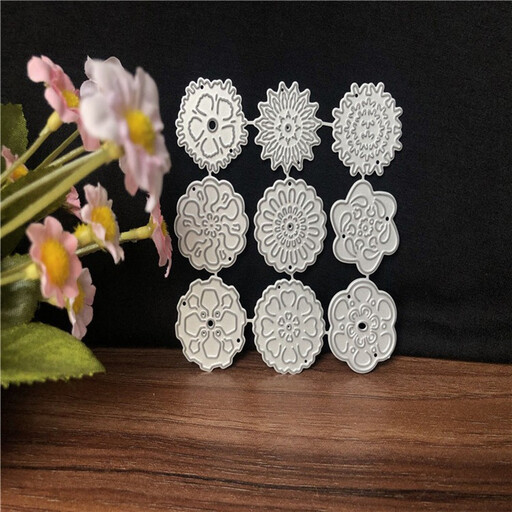
Why This Fits Their Persona: A versatile choice for crafters building a basic collection for cards, albums and paper projects without committing to a single seasonal theme.
Its description identifies both card making and scrapbook use, helping shoppers assess the intended application rather than relying only on decorative photos.
Listed for background embossing and DIY album décor; suitable for several paper-craft formats.
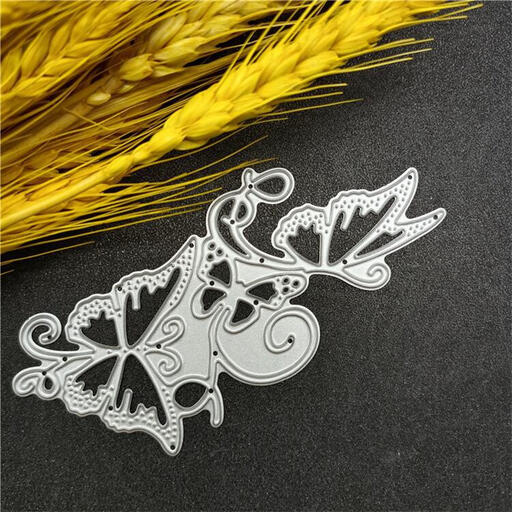
Why This Fits Their Persona: Suits crafters who prioritise a structured background or layered frame effect for presentation cards, albums and event stationery.
The listing specifies a 3D background and frame format, making the intended visual role clearer than a generic “decorative die” description.
Designed as a metal frame die; listed for card making, scrapbooking and party or wedding decoration projects.
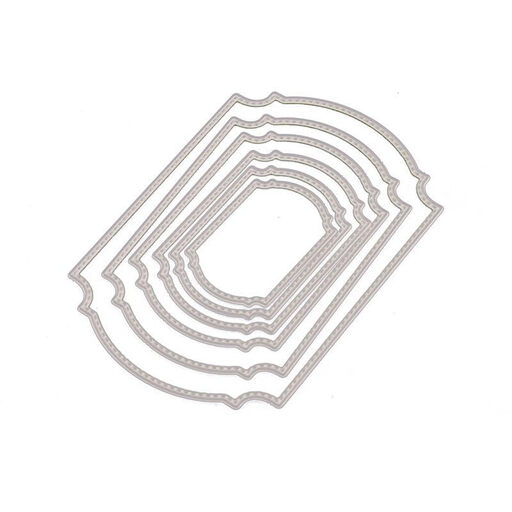
Why This Fits Their Persona: A practical match for people producing repeated cards, scrapbook layouts or photo-album mats that need varied frame sizes.
The six-piece nesting format is stated directly, reducing the risk of expecting a multi-size set and receiving only one frame.
Six different sizes; stitched irregular rectangular design for layered borders and photo mats.
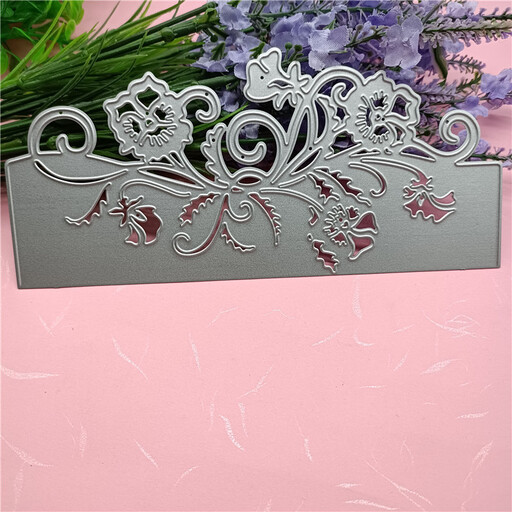
Why This Fits Their Persona: Useful for handmade greetings, seasonal batches, birthday cards and wedding card-making accessories where a clear message or themed decoration is required.
Its title identifies the intended Christmas, congratulations and birthday uses, helping buyers judge relevance before ordering.
Metal die format; listed for greeting cards, scrapbooking décor and wedding or birthday projects.
Use the correct cutting plates and avoid forcing a die through a machine. If a cut is incomplete, check the sandwich arrangement and card thickness before adding extra pressure. Unauthorised shims may damage the machine or bend the die.
After use, remove paper fibres with a soft brush and store dies flat. Keeping small pieces in labelled sleeves or magnetic storage sheets makes seasonal designs easier to find. Store metal dies away from damp areas, as UK homes can experience condensation in garages, sheds and utility rooms.
For handmade card sellers, record the die dimensions and suitable card stock in your project notes. This makes repeat batches more consistent and helps calculate paper use, wastage and production time.
They can be suitable when paired with a compatible die-cutting machine and the recommended plates. Always confirm the machine’s instructions, die size and material thickness before use. For simple projects, outline dies and frame dies are generally easier to position than very intricate designs.
Lifespan depends on frequency of use, card thickness, design complexity, storage and machine pressure. A die used occasionally on suitable paper may remain useful for a long time, while repeated production runs can gradually reduce cutting consistency. Clean storage and following the machine instructions can help avoid unnecessary bending or damage.
Not automatically. Some products are described as suitable for both die-cutting and embossing, but the result depends on the die design, machine and accessories. Check whether the listing contains a cutting die, an embossing template or both, and use the machine manufacturer’s recommended setup.