
24/7 Customer Support

Free returns

Same-day & Next-day Delivery

Quality Guaranteed

Unlock Your Welcome Offers: FREE Delivery | Up to 80% OFF | Free 30-day JoyPlus trial
Download the APP
Choosing metal cutting dies for card making can seem straightforward until a die fails to cut cleanly, does not fit your machine or produces a design too small for your project. Scrapbookers, handmade card sellers and papercraft beginners often buy based on attractive images alone, then discover that the set does not suit their cardstock, machine or intended occasion.
This guide explains the main buying pitfalls, the specifications worth checking and a selection of designs matched to different crafting needs.
Metal cutting dies are used with manual and some electronic die-cutting systems, but compatibility depends on the machine’s cutting platform, sandwich thickness and recommended materials. A die may be physically small enough for your machine yet still require a different plate arrangement.
Before ordering, check:
If the listing does not specify machine compatibility, treat this as an item to confirm rather than assuming universal use.
Product titles often use terms such as embossing stencils, die cuts and templates together. These functions are related but not identical. A cutting die is designed to separate a shape from paper or card, while an embossing folder or stencil generally creates a raised pattern or surface design.
Some thin metal dies can support embossing with the correct platform and shim, but the result depends on the machine and accessories. Read the product description carefully to establish whether the set is intended for:
A flower cutting die that looks suitable in a product image may be too small for a large A5 card or too intricate for ordinary craft card. Likewise, alphabet dies need a useful letter height if you plan to create names or headings.
Check the stated dimensions, number of pieces and finished design proportions. For sellers producing several cards, repeated cutting of a highly detailed design may also take longer than a simpler outline.
The most important specification is whether the die suits your cutting machine. Look for wording such as thin metal die, wafer-thin die or compatible manual die-cutting system, but always compare it with your machine’s instructions.
For paper crafts, also consider your usual materials:
Very intricate papercraft dies may need a clean, firm cutting surface and careful release. Some materials may require several passes, depending on the machine and card thickness.
A set containing several sizes can offer more flexibility than one isolated outline. Nesting frame dies, for example, can create layered mats for photographs, sentiments and focal panels. However, a higher piece count is not automatically more useful if the shapes are too small or unrelated to your projects.
For card making, assess:
The cutting edge should be clearly formed and free from visible distortion. Fine details such as lace, stitched lines and leaf veins can add interest, but they may also make paper release more difficult.
Material descriptions vary between listings. If the exact metal type or thickness is not provided, do not infer it from words such as “durable”. Instead, check the seller’s information and examine the return terms. Store dies flat or in a protective wallet, keep them dry and remove paper fibres after use.
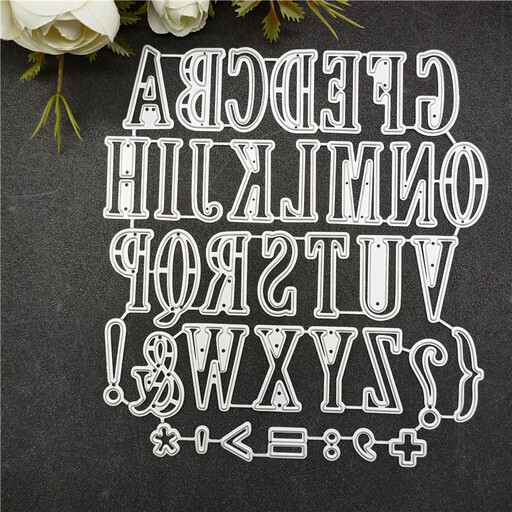
Why This Fits Their Persona: A 26-letter capital alphabet gives beginners a practical starting point for names, initials, greetings and personalised birthday cards without committing to a theme-specific set.
The set’s stated letter coverage is clear, making it easier to assess usefulness before purchase rather than relying on a styled sample image.
26 capital letter dies; suitable for personalised scrapbooking, card making and papercrafts.
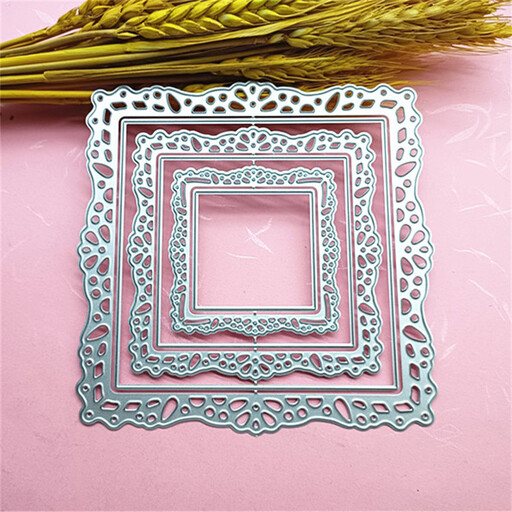
Why This Fits Their Persona: The square lace format suits layered card fronts, decorative panels and formal invitations where a structured background is more useful than a single motif.
Its stated square hollow background design makes the intended use apparent, helping buyers avoid confusing a border die with a full-panel design.
Lace-style square background; designed for card making, embossing and scrapbook layouts.
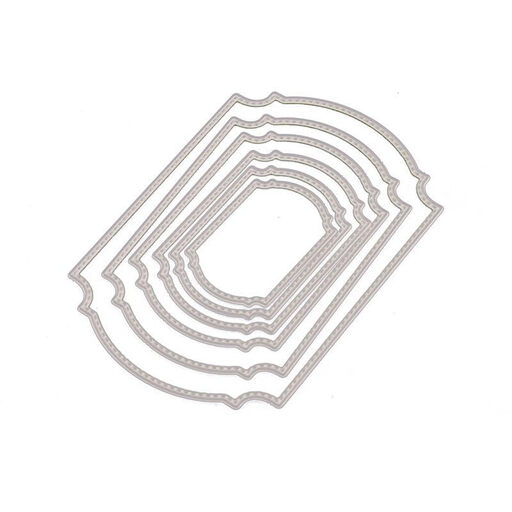
Why This Fits Their Persona: Card sellers and frequent scrapbookers can use six different frame sizes for photographs, messages, apertures and layered compositions.
The six-piece nesting format gives a defined range of sizes, reducing the risk of buying a single frame that does not suit different card dimensions.
Six different sizes; stitched irregular rectangular outlines for layered paper projects.
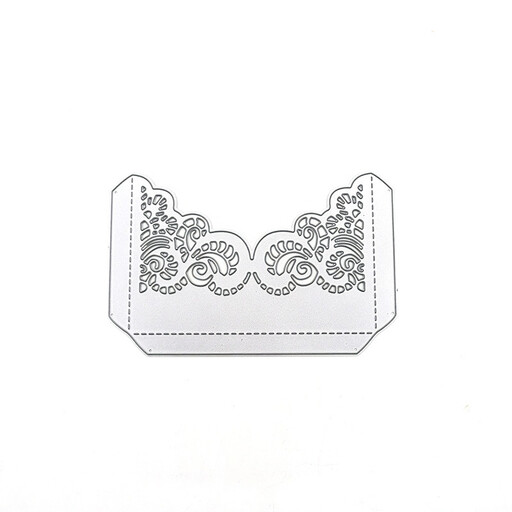
Why This Fits Their Persona: Lace and flower border details can be used on wedding stationery, album covers and formal handmade cards where repeatable decorative edges are useful.
The listing identifies the set as a lace flower border, so buyers can distinguish it from a standalone flower or complete background die.
Flower border format; intended for invitations, scrapbooking, embossing and decorative albums.
We have compiled a complete, real-time list of products that fully satisfy these strict selection criteria and UK safety regulations.
Yes, metal dies are generally designed for repeated use, but their working life depends on the die construction, cutting pressure, materials and storage. Cutting abrasive or unusually thick materials may increase wear. Use the machine settings recommended for thin dies and avoid forcing a sandwich that feels too tight.
Not necessarily. Lightweight paper is usually easier to cut, while thick, glittered, laminated or fibrous card may need additional passes or may not be suitable. Check the die and machine guidance, then test a small piece before starting a finished project.
Some metal dies can create embossed detail when used with the correct embossing mat, plate or shim. This is machine-dependent, so check the product listing and your die-cutting machine manual. A die described as an embossing stencil should not automatically be treated as a standalone embossing folder.