
24/7 Customer Support

Free returns

Same-day & Next-day Delivery

Quality Guaranteed

Unlock Your Welcome Offers: FREE Delivery | Up to 80% OFF | Free 30-day JoyPlus trial
Download the APP
As a Joybuy Product Recommendation Officer, my role is to help you navigate the crowded market of crafting supplies. For anyone passionate about homemade cards or scrapbooking, metal cutting dies are essential tools. They promise perfectly crisp shapes and intricate designs with minimal effort. However, the online marketplace is filled with options that look appealing but fail to deliver, leading to frustration and wasted money.
Many UK crafters find themselves disappointed by dies that bend after one use, produce messy cuts or simply don't fit their machine. Before you add another set to your basket, let's look at the common pitfalls and what to check to ensure your next purchase elevates your craft, rather than hindering it.
To avoid these issues, you don't need to be a materials scientist. You just need to know which specifications matter. Focusing on a few core parameters can make all the difference between a reliable tool and a piece of scrap metal.
The material of your die determines its longevity and cutting performance. Look for dies specifically described as being made from carbon steel. This material is known for its strength and ability to hold a sharp edge through repeated use. Unlike softer, unspecified metal alloys, carbon steel resists bending and provides the clean, sharp cuts needed for professional-looking die cuts for card making and other paper crafts. It offers the durability required for both simple shapes and complex embossing dies.
A pretty picture doesn't guarantee a functional tool. Two physical attributes are critical:
Before purchasing any paper craft stencils or dies, check the product dimensions against the width of your die-cutting machine's platform. Reputable listings will provide the die's measurements. Cross-reference this with your machine's specifications to ensure it will fit. Most dies are designed to be compatible with standard manual and electronic machines, but it is always wise to verify.
To help you choose, we have matched some options to different types of crafters, focusing on how they address the common pitfalls.
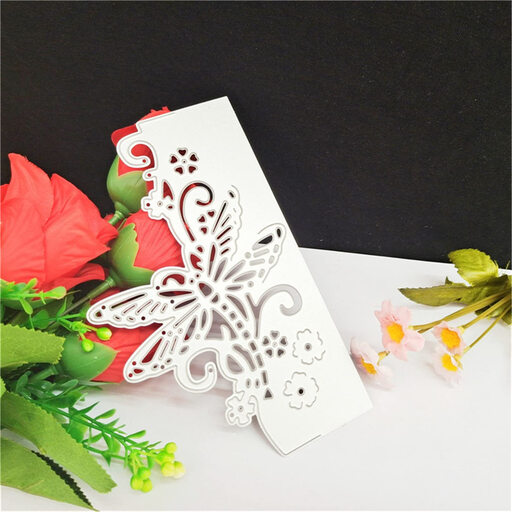
Why This Fits Their Persona: Ideal for someone who primarily makes cards for holidays like Christmas. This set provides themed elements like snowflakes and trees, plus a background embossing stencil, offering good value and versatility for seasonal projects without a huge investment.
The designs are distinct and not overly dense, reducing the risk of paper tearing. This makes them suitable for crafters who want reliable results without complex troubleshooting.
Includes both cutting and embossing elements in one package. The Christmas theme is clear and practical for seasonal card making.
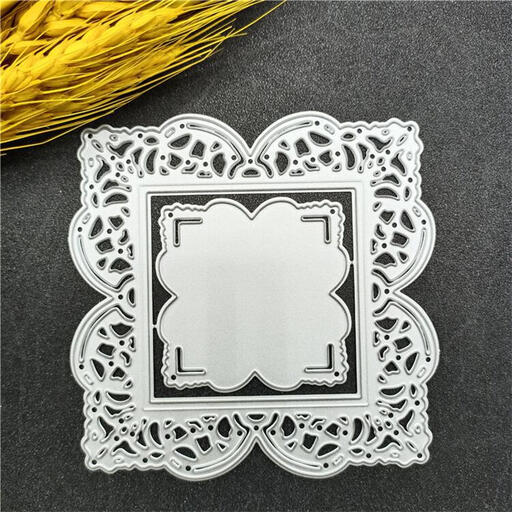
Why This Fits Their Persona: Perfect for creating consistent, elegant page borders and background layers in a scrapbook. This user values precision and tools that can be used repeatedly across a large project. This die provides a sophisticated foundation for photos and embellishments.
This is a large, single-piece die, which generally offers better stability than a set of tiny, individual parts. The pattern is intricate but well-spaced, allowing for a clean cut without excessive paper snagging.
Creates large, impactful decorative edges. Made from carbon steel for durability and sharp, clean cuts, making it a reliable part of your core scrapbooking supplies.
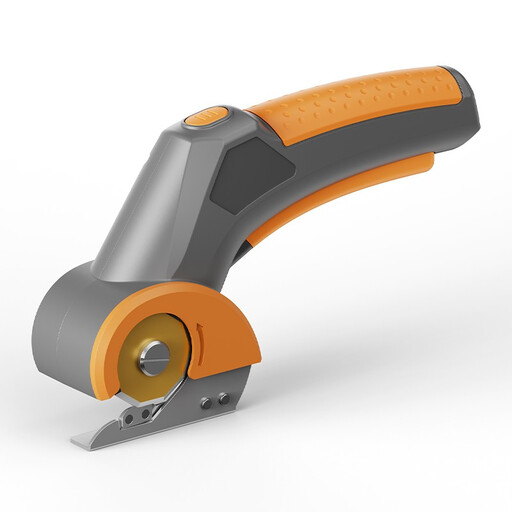
Why This Fits Their Persona: This crafter works with more than just paper. They need a tool for cutting felt, thin leather, cardboard and fabric. This cordless rotary cutter offers the freedom to cut custom shapes and thicker materials that a die-cutting machine cannot handle.
Instead of being limited by pre-made die shapes, this tool empowers freehand cutting. It avoids the pitfall of incompatibility by being a standalone, versatile craft cutting tool.
Cordless and rechargeable for maximum portability. The rotary blade provides clean, smooth cuts on a variety of materials beyond paper, expanding creative possibilities.
We have compiled a complete, real-time list of products that fully satisfy these strict selection criteria and UK safety regulations.
If you are experiencing tearing, especially with detailed dies, try placing a piece of wax paper between the die and your cardstock. This helps lubricate the die for a cleaner release. You can also add a "shim"—an extra piece of thin card—to your machine's cutting sandwich to slightly increase the pressure for a crisper cut.
Cutting dies have a raised, sharp edge designed to cut shapes completely out of a material. Embossing dies, often called stencils or folders, have a raised, dull pattern that presses an impression into the paper without cutting through it, adding texture and dimension. Some thin metal dies can be used for both cutting and embossing with the right machine setup.
The most effective way to store your dies is on magnetic sheets. You can place these sheets inside a binder or a storage box. This method keeps them flat, organised and prevents the small, delicate pieces from getting lost or bent. It also makes it much easier to see your collection at a glance.