
24/7 Customer Support

Free returns

Same-day & Next-day Delivery

Quality Guaranteed

Unlock Your Welcome Offers: FREE Delivery | Up to 80% OFF | Free 30-day JoyPlus trial
Download the APP
Creating a personalised card, a beautifully arranged scrapbook page or a unique gift decoration brings a special kind of satisfaction. For many DIY enthusiasts, the key to achieving that professional, polished look lies in the precision of metal cutting dies. These simple tools can transform a plain sheet of paper or cardstock into intricate shapes, letters and patterns, opening up a world of creative possibilities.
However, with so many designs and types available, choosing the right die can feel overwhelming. This guide is designed to offer practical advice on what to look for when selecting metal cutting dies. We will explore key features to consider and share some of our top recommendations to help you find the perfect tools for your next project.
Before adding to your collection of DIY craft supplies, a few practical considerations can ensure you get the most value and versatility from your purchase.
The most crucial factor is ensuring the die is compatible with your die-cutting machine. Most thin metal dies, often made from carbon steel, are designed to work with a wide range of popular manual and electronic machines. However, it is always a good practice to check the dimensions of the die against the width of your machine's cutting plates. Larger dies may require a machine with a wider platform.
The complexity of a die's design affects its use. Simple shapes like circles or squares are straightforward, but highly detailed designs, such as intricate lace patterns or delicate florals, may require more attention. For these, you might need to run them through your machine a couple of times or use a shim (an extra layer of cardstock) to increase the pressure for a cleaner cut. Many dies can also double as paper craft stencils or embossing stencils when used with the correct embossing mat, adding to their versatility.
Think about the types of projects you enjoy most. If you frequently make birthday cards or personalised banners, an alphabet dies set is a foundational investment. For those who love creating floral arrangements on their pages, a set of flower cutting dies offers endless combinations. If you are focused on a specific event, like making wedding favours, a die that creates a 3D box might be the ideal choice. Balancing project-specific dies with versatile basics will help you build a well-rounded and useful collection.
Here are a few recommendations that stand out for their design, versatility and potential to enhance a wide range of paper craft projects.

Why It Stands Out: This die set moves beyond flat embellishments, allowing you to construct small, three-dimensional gift boxes. The design includes all the necessary cuts and score lines to create a complete box, making it an excellent tool for creating party favours, advent calendars or unique gift packaging.
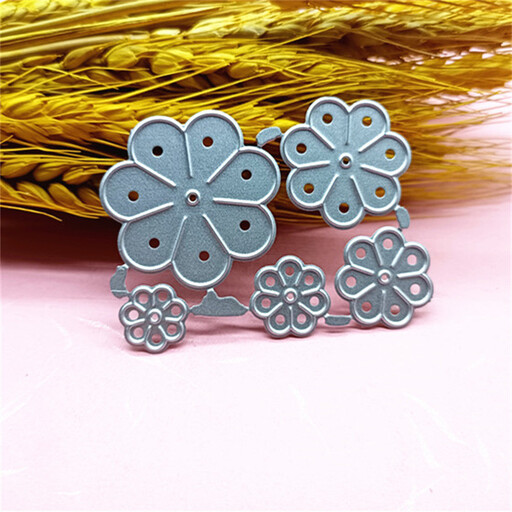
Why It Stands Out: A standout choice for card making dies, this set provides multiple individual petals and leaves that can be layered to build beautiful, realistic flowers. Instead of a single flat shape, you can create blooms with depth and texture, customising the colour and arrangement of each layer for a unique finish every time.
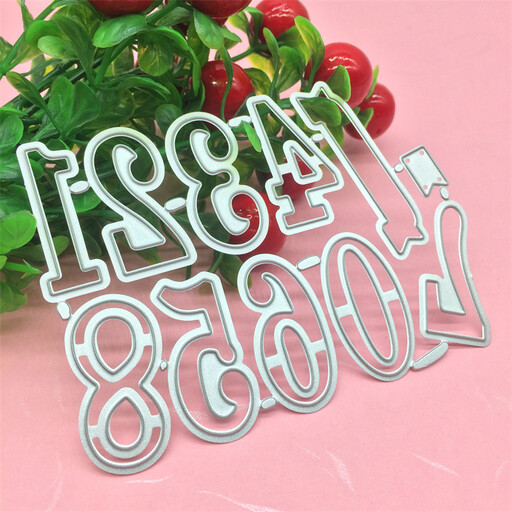
Why It Stands Out: A full set of alphabet and number dies is one of the most practical tools a paper crafter can own. This particular set includes 26 capital letters and 10 numbers in a clean, classic font. It is a workhorse for personalisation, allowing you to add names, dates and custom messages to any project, from birthday cards to scrapbook titles.
While these recommendations cover a range of popular crafting needs, the world of die-cutting is vast. If you are searching for different themes, shapes or more specialised scrapbooking dies, there are many other designs to discover.
Explore our full collection of crafting tools and supplies to find the perfect addition to your creative toolkit.
Explore the Stamp & Paper Crafts Category
A metal cutting die is a thin, sharp-edged tool used to cut a specific shape out of paper or other thin materials. An embossing stencil (often a plastic folder) is used to create a raised, textured pattern on paper without cutting it. Some thin metal dies can also be used for a light embossing effect if you use a rubber embossing mat in your machine's sandwich, which presses the paper into the die's shape instead of cutting it.
Yes, you will need a compatible die-cutting machine. Most thin metal dies, like the ones featured here, are designed for use with standard manual die-cutting machines. It is always advisable to confirm that the die's size fits your machine's cutting platform before purchasing.
For dies with fine details, a clean cut can sometimes be challenging. If your paper is not cutting all the way through, try adding a shim—a thin piece of cardstock—to your cutting sandwich to increase the pressure. Running the die through your machine twice, rotating it 90 degrees on the second pass, can also help. Another popular tip is to place a sheet of waxed paper between the die and your cardstock, which can aid in releasing the delicate paper shape cleanly after cutting.