
24/7 Customer Support

Free returns

Same-day & Next-day Delivery

Quality Guaranteed

Unlock Your Welcome Offers: FREE Delivery | Up to 80% OFF | Free 30-day JoyPlus trial
Download the APP
For anyone passionate about paper crafts, finding the right tools can transform a simple project into a professional-looking creation. Metal cutting dies are central to this, allowing you to produce intricate and consistent shapes for everything from homemade cards to detailed scrapbook pages. However, the market is flooded with options, and it's easy to end up with a collection of dies that disappoint.
Many crafters in the UK find themselves frustrated by dies that fail to deliver. Before you add another set to your basket, let's look at the common pitfalls that can lead to wasted money and subpar results.
By understanding what to look for, you can confidently select paper craft supplies that will become reliable favourites in your toolkit.
To avoid the issues above, focus on a few key technical aspects. These non-negotiable features separate a reliable die from a disappointing one.
The material of your die is the single most important factor for its longevity and performance. Look for dies made from 100% high-carbon steel. This material is strong enough to hold a sharp, durable cutting edge, which is essential for creating clean die cuts for card making. Unlike softer metal alloys, carbon steel resists bending and warping under pressure, ensuring you get consistent results time and time again. It's the industry standard for a reason and provides the reliability needed for detailed scrapbooking dies.
A die's performance is also determined by its physical dimensions. A standard die thickness ensures it will work with the "sandwich" combinations of most popular die-cutting machines available in the UK. More importantly, inspect the etch depth—the raised cutting line on the die. A deeper, more defined line will apply more concentrated pressure, cutting cleanly through cardstock and even thicker materials. This is also crucial when using the die as an embossing stencil, as a deeper etch will produce a more prominent, detailed impression.
Consider the type of projects you enjoy. Intricate flower die cuts and delicate lattice patterns can produce stunning results, but they require a well-calibrated machine and may be challenging for beginners. If you're just starting, versatile shapes like circles, squares and basic frames are excellent DIY craft templates to build your collection. For experienced crafters, look for sets that offer layering possibilities, allowing you to build up dimension and colour in your work.
To help you navigate the options, we've matched a few metal cutting dies from our collection to different crafting styles and needs.
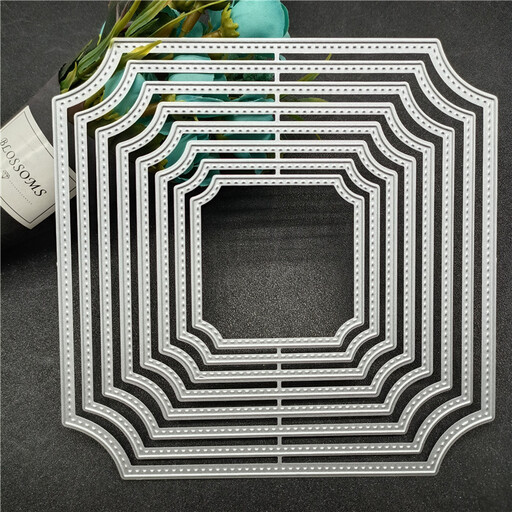
Why This Fits Their Persona: This set is ideal for anyone building their craft stash. Frames are a cornerstone of card making and scrapbooking, useful for creating apertures, matting photos or as a base for embellishments. An 8-piece set provides excellent value and versatility for a small initial outlay.
The simple, bold shapes are less prone to the cutting issues seen with overly complex designs, making them beginner-friendly. The carbon steel construction helps prevent the warping seen in lower-quality dies.
Highly versatile for multiple project types. The nesting design allows for creating frames of various widths.
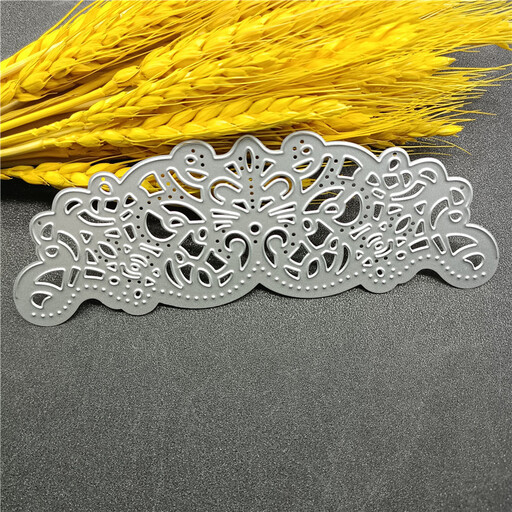
Why This Fits Their Persona: This is for the crafter with a specific vision, such as creating a batch of elegant wedding invitations or birthday cards. A decorative border die adds a consistent, professional finish that elevates a simple piece of cardstock into something special.
The well-defined pattern on this die suggests a good etch depth, directly addressing the "shallow cut" pitfall. This ensures the delicate lace details are cut cleanly without tearing the paper.
Creates sophisticated, decorative edges quickly and consistently. It can be used along any side of a card or paper layer.
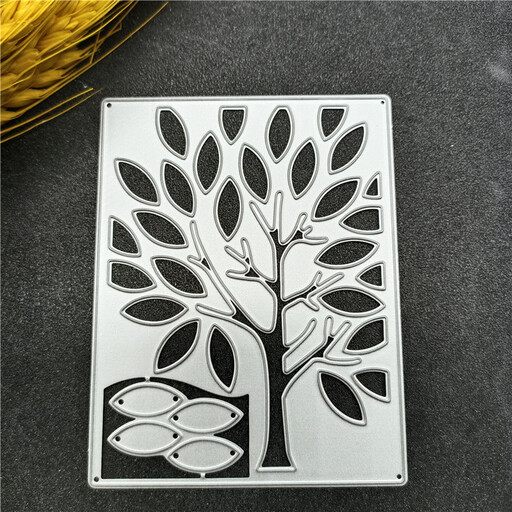
Why This Fits Their Persona: This is for the experienced crafter who loves building scenes and creating depth. A set of individual botanical elements offers maximum creative freedom, allowing for custom arrangements, wreaths and layered foliage behind a central focal point.
By providing separate, smaller elements, this set avoids the compatibility and pressure problems that can occur with a single, large and highly intricate die. The carbon steel construction ensures each piece is durable for repeated use.
Enables the creation of custom botanical arrangements. The individual die cuts can be shaped and layered for a 3D effect.
We have compiled a complete, real-time list of products that fully satisfy these strict selection criteria and UK safety regulations.
This is a common issue that can usually be fixed. It is often caused by an incorrect "sandwich" of plates for your specific machine, or cutting plates that have become warped from heavy use. First, check your machine's instructions. If the combination is correct, try adding a single, thin piece of card (known as a shim) to your sandwich to slightly increase the pressure. This often provides the extra force needed for a clean cut.
To prevent loss or damage, proper storage is key. One of the most popular methods is to use magnetic sheets. You can place these sheets inside a folder, binder or shallow plastic case. This keeps your dies flat, organised and easy to see, while preventing them from scratching against each other or bending.
Yes, many metal cutting dies can also be used as embossing stencils. To do this, you will need to use a different plate combination in your machine, which typically involves replacing a cutting plate with a rubber embossing mat. This presses the paper into the die's design without cutting through it, creating a beautiful, raised effect. Always refer to your die-cutting machine's manual for the correct sandwich recipe for embossing.