
24/7 Customer Support

Free returns

Same-day & Next-day Delivery

Quality Guaranteed

Unlock Your Welcome Offers: FREE Delivery | Up to 80% OFF | Free 30-day JoyPlus trial
Download the APP
For any paper craft enthusiast, the right tools can transform a simple piece of card into a work of art. Metal cutting dies are central to this process, allowing for precise, repeatable shapes that are difficult to achieve by hand. Whether you are creating intricate greeting cards, decorating a scrapbook or designing personalised gifts, the sheer variety of dies available can be overwhelming.
This guide is designed to help you navigate the options. We will outline key factors to consider when making a selection and present some of our top recommendations for 2026 to help you find the perfect tools for your crafting needs.
Before adding to your collection, a few practical considerations can ensure you get the most value and use from your purchase.
The most crucial factor is ensuring the dies are compatible with your die-cutting machine. Most metal cutting dies, often referred to as wafer-thin dies, are designed to work with a wide range of popular machines. However, it is always wise to check the "sandwich" configuration required for your specific model. The die's thickness and size should fit comfortably within your machine's cutting plates without causing damage.
When starting or expanding your collection, consider dies that offer broad creative potential. Foundational sets like alphabet dies or basic shapes (circles, squares) are excellent starting points. From there, versatile designs such as frame die cuts and border dies can be used across numerous projects, from birthday cards to scrapbook layouts, offering more long-term value than highly specialised, single-use designs.
The intricacy of a die's design affects both the final look and the cutting process. Highly detailed dies can create stunning results but may require more careful alignment and possibly a shim (an extra piece of card) to ensure a clean cut. Simpler dies are often more forgiving and quicker to use. Consider the types of projects you enjoy most; if you love delicate, lacy effects, intricate scrapbooking dies are a great choice. If you prefer bold, clean designs, simpler shapes will serve you well.
Here are a few recommendations that stand out for their versatility and quality, making them valuable additions to any crafter's toolkit.
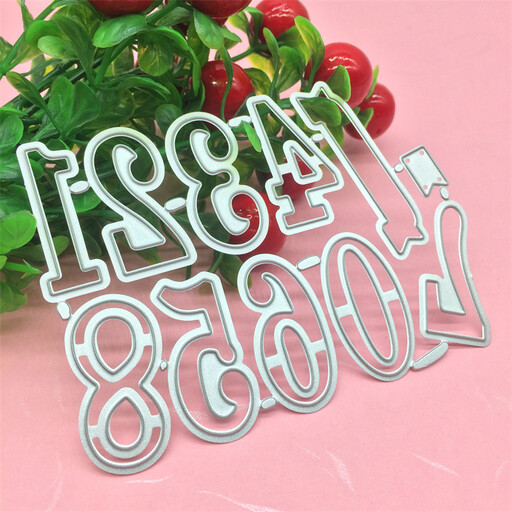
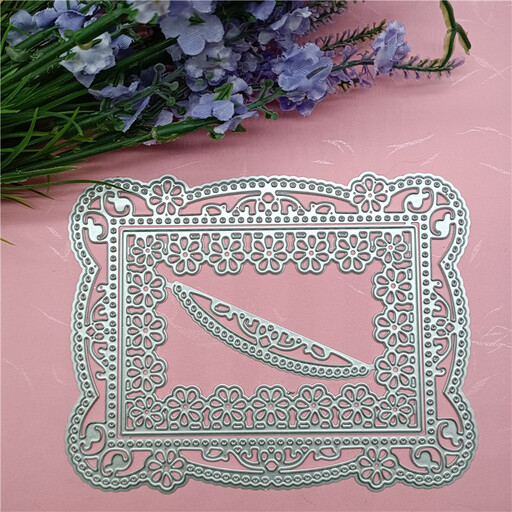
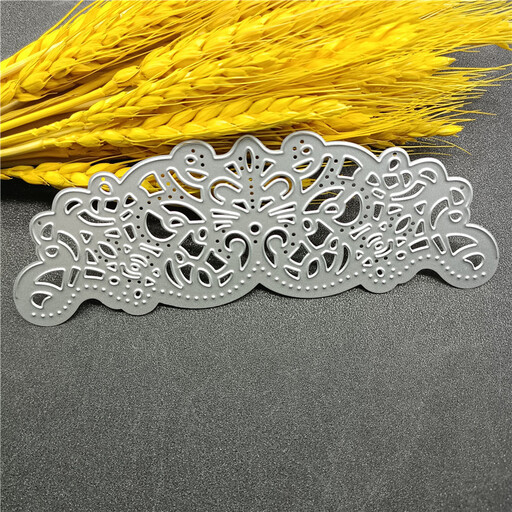
These recommendations are just a starting point. The world of DIY craft dies is vast, with designs to suit every theme, season and occasion. If you are searching for different patterns, shapes or specific themes, there is a whole collection waiting to be discovered.
Explore our full range of Scrap paper and crafting accessories to find the perfect components for your next project.
Metal cutting dies are thin, shaped metal plates with a raised cutting edge on one side. They are used with a die-cutting machine to cut precise shapes from materials like paper, cardstock, vinyl and thin foam. They are a staple for hobbyists involved in die cuts for card making, scrapbooking and other paper craft dies projects, as they ensure uniformity and intricate detail that is difficult to achieve with scissors or a craft knife.
While many wafer-thin metal dies are designed for universal compatibility with most standard die-cutting machines, it is not guaranteed. The effectiveness of a die depends on the machine's pressure and the "sandwich" of cutting plates used. It is always recommended to check the die manufacturer's notes and your machine's instructions to ensure compatibility and prevent damage.
Yes, many metal cutting dies can also be used for embossing. Instead of using the standard cutting plates, you would use an embossing mat and a different plate combination as specified by your machine's manufacturer. This presses the die's shape into the paper without cutting through it, creating a raised, textured effect. This dual functionality makes them versatile tools, acting as both cutting dies and embossing stencils.