
24/7 Customer Support

Free returns

Same-day & Next-day Delivery

Quality Guaranteed

Unlock Your Welcome Offers: FREE Delivery | Up to 80% OFF | Free 30-day JoyPlus trial
Download the APP
For anyone passionate about paper crafts, from handmade cards to detailed scrapbook pages, the right tools can transform a project from simple to stunning. Metal cutting dies are a cornerstone of modern crafting, offering precision and intricate designs that are difficult to achieve by hand. However, the online market is flooded with options, and it's easy to end up with a collection of dies that bend, rust or simply fail to deliver a clean cut.
As the Joybuy Product Recommendation Officer, my role is to help you navigate the choices and avoid common purchasing mistakes. Let's look at the frequent pitfalls that UK crafters encounter and how to select durable, reliable die cuts for card making and other projects.
Before adding another die to your basket, be aware of these common issues that lead to wasted money and creative frustration:
To ensure your new paper craft supplies are a joy to use, focus on these key parameters. Analysing them will help you find reliable craft dies UK sellers offer.
The standard material for these tools is carbon steel, chosen for its ability to hold a sharp edge. However, the key is the thickness and treatment of that steel. A thicker, more rigid die is less likely to bend or warp. While sellers rarely list the exact steel grade, you can often judge by the product's appearance and description. Look for dies that appear substantial rather than flimsy. A quality finish also helps prevent rust and allows the die to release the paper more easily after cutting.
When choosing scrapbooking dies, especially those with intricate patterns, consider the balance between detail and functionality. A well-made die has a sufficiently deep "etch" or cutting blade. This ensures it can cut cleanly through various materials, from vellum to 250gsm cardstock. For very fine designs, it's often better to choose those from established craft ranges, as they have likely been designed with cutting performance in mind. Simple, bold shapes are generally a safer bet from any source.
Always consider the size of the die in relation to your machine's cutting plates. Most DIY card making tools are designed to fit standard machines, but it's wise to double-check dimensions if provided. Also, think about versatility. A set of nesting circles or a beautiful leaf design can be used across countless projects, offering better long-term value than a highly specific, single-use die. Many dies can also be used as embossing stencils with the right machine sandwich, adding another layer of utility.
Here are a few options from our catalogue, matched to different crafting needs and styles.
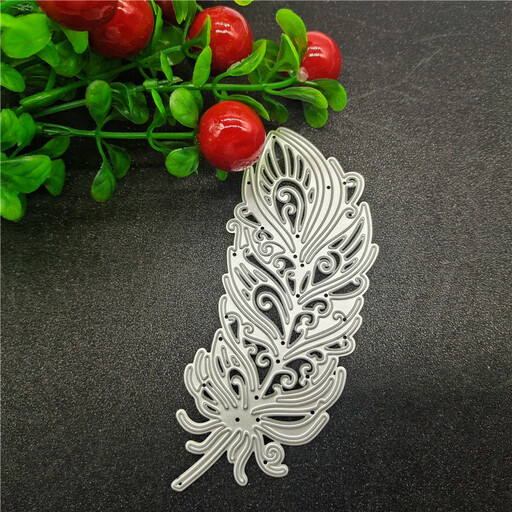
Why This Fits Their Persona: This is an ideal foundational die. A simple leaf is incredibly versatile and can be used for seasonal cards, nature-themed scrapbook layouts or as a subtle background element. It allows a beginner to build their collection without committing to a specific theme or a high cost.
Its straightforward, clean design with no tiny, fragile parts makes it highly reliable. It is far less likely to fail a cut compared to overly ambitious intricate dies, ensuring a positive first experience.
Excellent value and year-round usability. It's a core shape that can be adapted for any occasion by simply changing the colour of the cardstock.
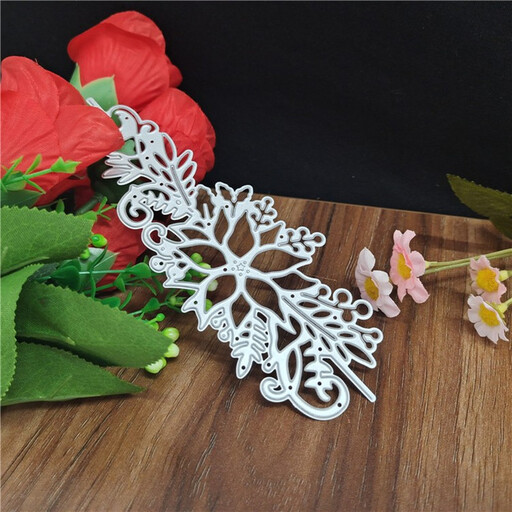
Why This Fits Their Persona: Perfect for the crafter who is planning a specific project, like a batch of Christmas cards or festive gift tags. This die provides a decorative frame and themed elements in one, creating a cohesive look with minimal effort.
While it includes some detail, the main components are a solid frame and distinct shapes. This structure provides stronger cutting lines than a die composed entirely of fine, interconnected swirls, reducing the risk of tearing.
Offers great value by combining a reusable lace frame with seasonal elements. The frame can be used on its own for non-Christmas projects.
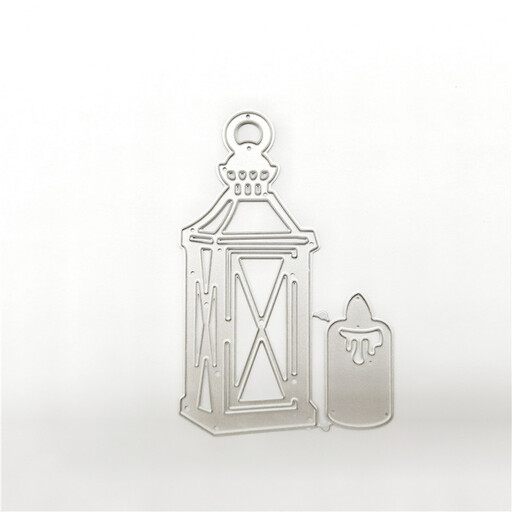
Why This Fits Their Persona: For the experienced crafter who wants to create a true "wow" moment. This unique lamp design moves beyond typical florals and frames, providing a sophisticated and eye-catching centrepiece for a card or art journal page.
Although detailed, its "hollow out" design relies on cutting larger shapes rather than hair-thin lines. This makes it more structurally sound and more likely to produce a clean, impressive cut on the first pass.
Creates a striking and unusual focal point. The design is also well-suited for use as an embossing stencil to add texture without cutting.
We have compiled a complete, real-time list of products that fully satisfy these strict selection criteria and UK safety regulations.
No, not always. While the vast majority of thin metal dies are designed with universal compatibility in mind for most manual die-cutting machines, it's not a guarantee. The most important factor to check is the width of the die against the width of your machine's platform. Very large dies may not fit in smaller, personal-sized machines. Always check the product dimensions before purchasing if you have a compact machine.
Proper storage and care are essential. To prevent bending and rust, store your dies flat and away from moisture. Many crafters use magnetic sheets inside storage folders, which keeps them organised and secure. After cutting, use a small, stiff brush or a specialised die pick to gently remove any paper fibres stuck in the crevices. This prevents build-up that can affect future cuts.
Yes, many metal cutting dies double as excellent embossing stencils. To do this, you will need to change the "sandwich" of plates you run through your machine. Instead of the hard cutting plates, you typically use a soft embossing mat (often made of silicone or rubber). This presses the paper into the die's design to create a raised, textured impression without cutting through it. Refer to your die-cutting machine's manual for the correct plate and mat combination for embossing.