
24/7 Customer Support

Free returns

Same-day & Next-day Delivery

Quality Guaranteed

Unlock Your Welcome Offers: FREE Delivery | Up to 80% OFF | Free 30-day JoyPlus trial
Download the APP
Metal cutting dies for card making and scrapbooking can turn plain card stock into layered greetings, photo album details and personalised decorations. However, product listings often use broad terms such as “embossing stencil”, “die cut” and “template” interchangeably. That can make it difficult to know what you are actually buying.
For UK crafters, the main challenge is matching the die to the project, the paper and the die-cutting machine. A low-cost set may look versatile but prove awkward if the pieces are too small, the design is difficult to release or the listing does not explain compatibility.
A cutting die is designed to cut material when used with a compatible machine and cutting plates. Some designs may also create embossed detail, but this depends on the die construction, sandwich configuration and machine instructions. If you specifically want raised texture, check whether the product is described as suitable for embossing rather than relying on the word “stencil”.
Product photographs can make small dies appear much larger than they are. This is particularly important for alphabet cutting dies, number cutting dies and detailed flower and leaf dies. Before purchasing, look for measurements or compare the stated dimensions with your card blank, scrapbook page or planned aperture.
A border die that is too short may require repositioning, while a frame die that is too large may not fit a standard UK card. When dimensions are missing, treat that as a reason to check the listing carefully before ordering.
Most metal dies require a manual or electronic die-cutting machine, but not every die works with every system. Plate thickness, opening size and recommended materials vary. Thin paper, vellum, patterned card stock and thicker craft board can also behave differently.
Do not force a die through a machine. Use the manufacturer’s instructions for the plate arrangement, keep fingers away from moving parts and supervise children. Store dies dry and flat to reduce the risk of damage or corrosion.
Many paper craft dies are made from thin metal, commonly described as carbon steel or metal cutting dies. The important practical points are whether the cutting edge is clearly defined, whether the design includes narrow internal details and whether waste paper can be removed without tearing.
Intricate designs can create attractive results but may need a few passes, a shim or a release tool depending on the machine and card stock. Simple outlines are generally easier for beginners and more suitable for repeated card production.
Check the number of pieces and the size range. A six-piece nesting set, for example, may offer several graduated frames, while a single border die may provide one repeated edge pattern. Consider the projects you make most often:
A set with several related shapes may be more useful than a larger collection of unrelated motifs.
Confirm that the die is intended for paper or card stock rather than fabric, foam, leather or another material. For clean results, use a firm, even surface and card stock suited to your machine. Very thin paper may shift or tear; very thick board may exceed the machine’s recommended capacity.
For embossing stencils, check whether an embossing mat or separate folder is needed. Cutting dies and embossing templates can look similar in photographs but may require different accessories.
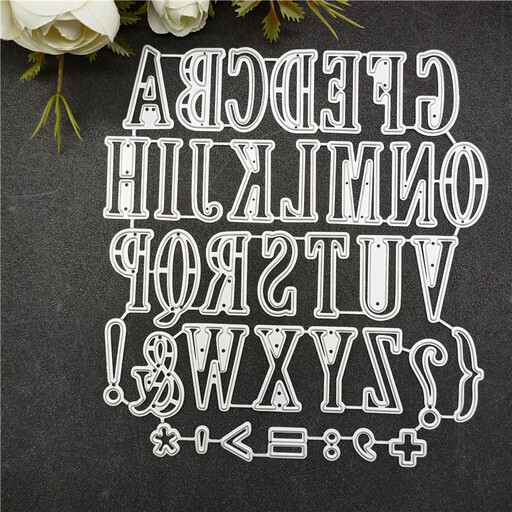
Why This Fits Their Persona: A 26-letter capital set gives new crafters a straightforward way to personalise birthday cards, scrapbook headings and handmade gift tags without buying separate letter dies.
The clearly stated 26-letter quantity makes the set easier to assess than listings that show lettering but do not specify what is included.
Capital letters; suitable for scrapbooking, card making, paper crafts and albums.
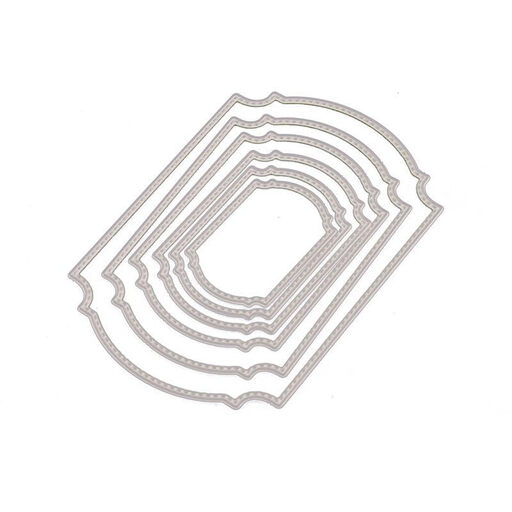
Why This Fits Their Persona: Suitable for crafters who value coordinated layering and want several irregular rectangular sizes for cards, photo albums and paper layouts.
The listing identifies six different sizes and a stitched style, helping shoppers assess variety rather than relying only on a staged photograph.
Six nesting frame dies; stitched irregular rectangular design.
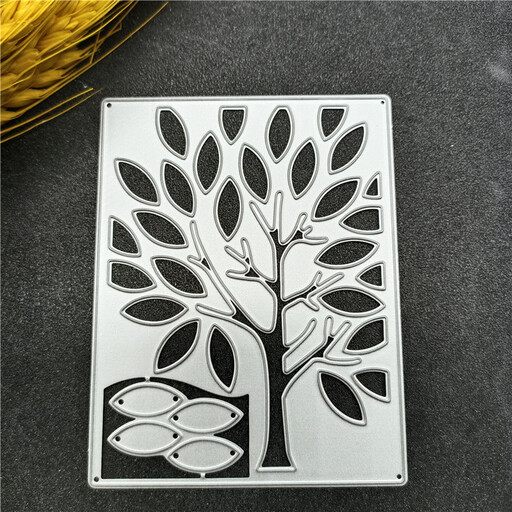
Why This Fits Their Persona: A practical choice for frequent makers who create botanical cards, scrapbook clusters, photo frames or layered seasonal decorations.
The specific branch-and-leaf theme is easier to match to a project than a mixed set with motifs you may rarely use.
Botanical branch and leaf pattern; intended for card making, scrapbooking and machine use.
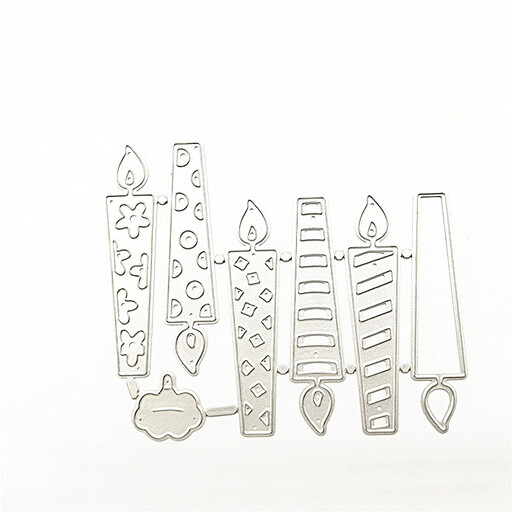
Why This Fits Their Persona: Designed around birthday and celebration themes, this option suits handmade greetings, wedding cards and party-related paper crafts.
A defined candle motif reduces the risk of buying a generic decorative set that does not suit celebration projects.
Celebration-themed design; listed for card making, scrapbooking and embossing-style projects.
We have compiled a complete, real-time list of products that fully satisfy these strict selection criteria and UK safety regulations.
Not necessarily. Check the machine’s opening, plate arrangement and material capacity before buying. The die should sit flat and pass through without excessive pressure. If the product listing does not state compatibility, consult the machine manufacturer’s guidance.
Use suitable card stock, follow the recommended plate combination and avoid forcing the material. A light tapping motion, release paper or a small craft tool may help with detailed designs. Remove waste carefully to avoid bending narrow sections.
Keep them dry, clean and flat, preferably in a labelled sleeve or magnetic storage folder. Remove paper fibres after use and avoid storing damp materials nearby. With sensible handling, the practical lifespan depends on the metal, cutting pressure, frequency of use and whether the dies are forced through an unsuitable set-up.