
24/7 Customer Support

Free returns

Same-day & Next-day Delivery

Quality Guaranteed

Unlock Your Welcome Offers: FREE Delivery | Up to 80% OFF | Free 30-day JoyPlus trial
Download the APP
For any paper craft enthusiast in the UK, from those creating handmade cards to scrapbookers documenting precious memories, metal cutting dies are an essential tool. They promise to deliver precise, intricate shapes time and again. Yet, the market is flooded with options, and it's easy to end up with a collection of dies that bend, produce messy cuts or simply don't work with your machine. This guide cuts through the clutter to help you select durable and effective craft dies for your projects.
Before you add another die to your basket, let's look at a couple of common purchasing pitfalls that lead to frustration and wasted money.
card making supplies.To ensure your die cuts for card making and DIY album decoration are consistently crisp and professional, focus on these two non-negotiable features.
The longevity and performance of a metal cutting die hinge on its material. Always look for dies made from 100% high-carbon steel. This material is significantly more durable than cheaper alternatives. It holds a sharp, precise cutting edge for much longer, ensuring it can handle repeated use on various materials, from standard paper and cardstock to vellum and even thin craft foam. A high-carbon steel die provides the clean, sharp finish that defines high-quality paper crafts.
A die's effectiveness is also tied to its physical specifications. The standard thickness for most paper craft templates is approximately 0.8mm. This thickness is designed to be compatible with the majority of personal die-cutting machines popular in the UK. A die that is too thin may not cut through the material, while one that is too thick could damage your machine. For intricate scrapbooking dies, look for designs that incorporate small 'release holes'. These allow you to gently poke the cut paper out of the die without tearing the delicate design.
Instead of a one-size-fits-all approach, we've matched some options to specific crafting needs and styles.
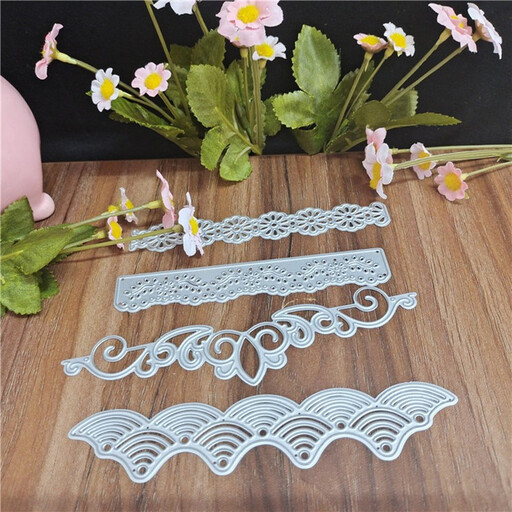
Why This Fits Their Persona: For those new to die-cutting, this set provides a versatile foundation without a significant initial outlay. The collection of basic shapes is perfect for experimenting with layering and building a core toolkit for various projects.
The product description specifies these are made from carbon steel, directly addressing the material quality pitfall and ensuring better durability than generic, unbranded metal dies.
This multi-pack offers excellent value, providing several foundational shapes that can be used as backgrounds, frames or focal points in card making and scrapbooking.
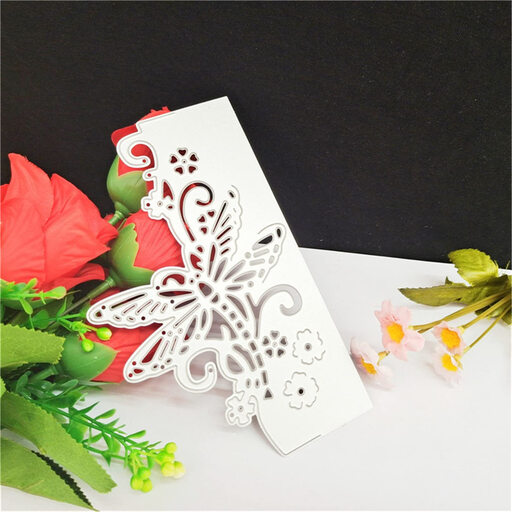
Why This Fits Their Persona: Ideal for crafters focusing on seasonal projects like Christmas cards, gift tags or festive scrapbook layouts. This die provides specific, recognisable shapes to create a cohesive theme with a professional finish.
The design, while detailed, is structured for clean cutting. As a popular themed die, it is manufactured to meet the demand for crisp results, avoiding the 'blunt edge' issue that plagues obscure or poorly made templates.
This die allows for the creation of high-quality, uniform embellishments in batches, perfect for anyone making multiple cards or decorations for the festive season.
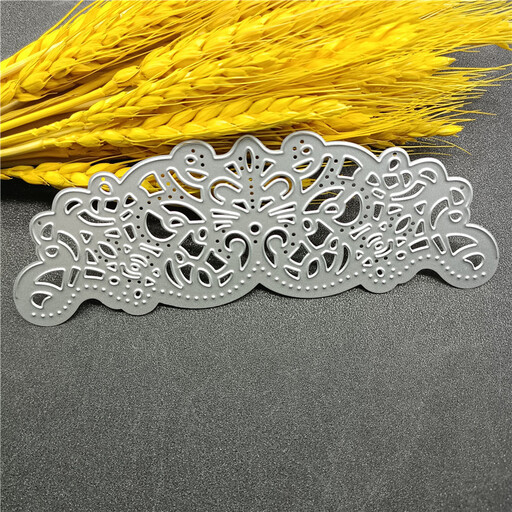
Why This Fits Their Persona: Experienced crafters who want to add a touch of elegance and sophistication to their work will appreciate the fine detail of a lace die. It is perfect for creating decorative borders, overlays and delicate focal points on cards and scrapbook pages.
Intricate dies like this rely on precision-etched cutting edges. A well-made lace die is engineered to cut cleanly without snagging, directly countering the 'blunt edge' pitfall that ruins delicate designs.
This die produces a stunningly detailed cut that can elevate a simple piece of cardstock into a beautiful, professional-looking craft project. It is also suitable for use as an embossing stencil for more subtle texture.
We have compiled a complete, real-time list of products that fully satisfy these strict selection criteria and UK safety regulations.
Most metal die cuts sold in the UK are designed for use with standard manual die-cutting and embossing machines. It is always a good practice to check the die's thickness (typically around 0.8mm) and confirm it is compatible with your specific machine's guidelines to prevent any damage.
For highly detailed scrapbooking dies, using a good quality, smooth cardstock between 160gsm and 250gsm often yields better results. A helpful technique is to place a sheet of wax paper between the die and your cardstock. This acts as a lubricant and helps the paper shape release cleanly. Running the 'sandwich' (base plate, die, cardstock and cutting plate) through your machine two or three times can also ensure all the fine details are cut through properly.
To protect your investment and keep your collection organised, storing dies on magnetic sheets is highly recommended. These sheets can be placed inside folders or storage boxes. This method keeps the dies flat, prevents them from bending or getting lost and protects the delicate cutting edges from being damaged by contact with other tools.