
24/7 Customer Support

Free returns

Same-day & Next-day Delivery

Quality Guaranteed

Unlock Your Welcome Offers: FREE Delivery | Up to 80% OFF | Free 30-day JoyPlus trial
Download the APP
Metal cutting dies for scrapbooking and card making can turn plain paper into shaped layers, lettering, borders and seasonal embellishments. They are useful for handmade cards, photo albums, invitations and gift packaging, but choosing the wrong set can leave you with incomplete designs, poor compatibility or a drawer full of shapes you rarely use.
This guide from the Joybuy Product Recommendation Officer focuses on practical selection rather than promotional language, helping UK crafters compare paper craft dies and related card making supplies with greater confidence.
A metal die may look compact, but the important question is whether its overall dimensions and thickness suit your die-cutting machine. Some machines accept standard thin dies, while others require a particular cutting platform, adapter or sandwich arrangement. Always compare the die size with your machine’s instructions before ordering.
Product listings sometimes use “stencil”, “embossing template” and “cutting die” interchangeably. A cutting die is designed to cut paper when pressure is applied through a compatible machine. An embossing stencil may create a raised or recessed impression instead, depending on the accessories used. If you want a clean aperture or separate scrapbooking die cuts, check that the listing specifically describes a metal cutting die.
A set containing many intricate shapes may appear economical, but highly specialised designs can be used only once or twice. Before buying, consider the projects you regularly make: names and ages for birthdays, frames for photos, foliage for everyday cards or seasonal designs for Christmas. A smaller set that matches your projects can offer more practical value than an extensive collection of unused motifs.
Carbon steel cutting dies are commonly selected for their thin profile and ability to create detailed outlines when used with a suitable machine. However, the word “carbon steel” alone does not tell you the exact thickness, coating or expected lifespan. Look for clear material information, clean edges and product images that show the complete design.
After use, wipe away paper fibres and store dies flat. Avoid bending intricate sections, particularly narrow stems, lettering and lace-style borders.
Check the stated dimensions where available, especially if you are making standard greetings cards or scrapbook pages. A large background die may cover much of an A6 card, while a small alphabet die set may be better suited to names, captions and short sentiments.
For detailed flower and leaf dies, border frame dies and lace patterns, consider how easily small paper pieces can be removed. Very fine sections may need a release sheet, wax paper or a small die-pick tool. This is a practical consideration that product photography may not show.
Confirm whether the die is intended for manual die-cutting machines and whether your chosen card stock is within the machine maker’s recommended range. Test with inexpensive paper before using premium card, photographs or invitations.
For repeated projects, keep a few paper types available:

Why This Fits Their Persona: A four-piece format gives beginners a manageable starting point for paper cards and small DIY projects without committing to a large themed collection.
The listed carbon steel construction makes the material specification clearer than a listing that only says “stencil”. Machine compatibility should still be checked before purchase.
Four-piece set; carbon steel material specified; suitable for DIY paper and card projects.

Why This Fits Their Persona: Suitable for crafters who value consistent personalisation across names, headings, birthday messages and scrapbook captions.
The listing identifies 26 capital letters and includes 10 numbers, making the character range visible before ordering.
Capital alphabet included; 10 numbers stated; useful for repeatable lettering projects.
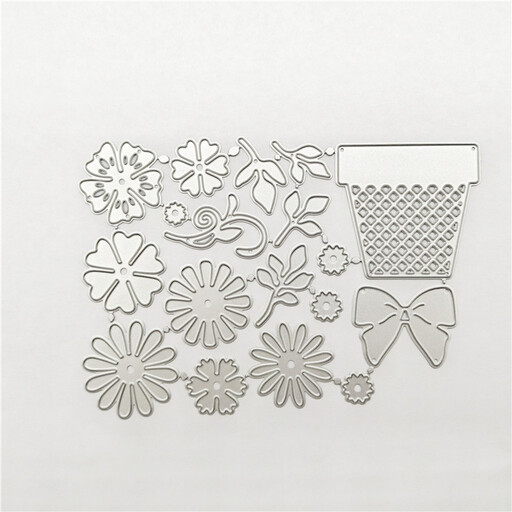
Why This Fits Their Persona: A practical option for makers producing floral cards, layered photo frames and repeated scrapbook decoration.
Its described flower, leaf and frame format has several uses, reducing reliance on a single highly seasonal motif.
Combines floral and leaf elements; includes a background frame design; intended for scrapbook machines and card projects.
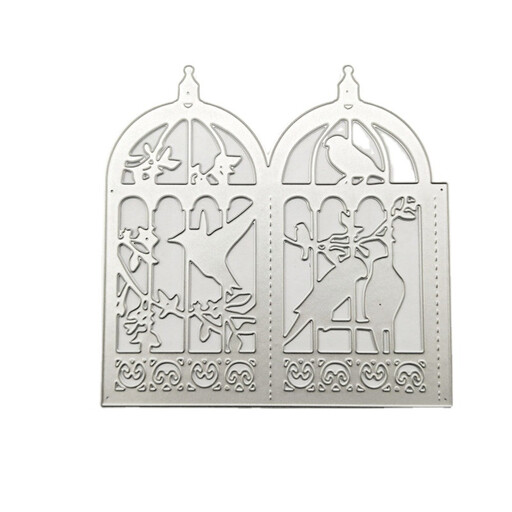
Why This Fits Their Persona: Designed around wedding-themed paper projects, this suits invitations, congratulations cards, keepsake albums and event stationery.
The wedding-specific description makes its intended use clear, helping shoppers avoid buying a generic set for a defined event project.
Wedding theme specified; suitable for scrapbook albums, paper cards and embossing-style projects.
We have compiled a complete, real-time list of products that fully satisfy these strict selection criteria and UK safety regulations.
No. Compatibility depends on the machine’s platform, cutting width, pressure system and recommended die thickness. Read the machine manual and compare it with the product listing before purchase. A die described as suitable for embossing may also require a separate embossing mat or adapter.
Lifespan varies according to material, design detail, paper type, machine pressure and storage. Clean, dry storage and correct pressure can help reduce damage. Avoid forcing a die through a machine or using materials outside the manufacturer’s recommendations, as this may blunt edges or bend fine sections.
Not necessarily. Alphabet die sets, number cutting dies, flower and leaf dies and border frames can support many occasions. Dedicated Christmas cutting dies or wedding card dies are more suitable when you need a recognisable theme quickly, while versatile shapes may offer greater repeat use across everyday card making supplies.