
24/7 Customer Support

Free returns

Same-day & Next-day Delivery

Quality Guaranteed

Unlock Your Welcome Offers: FREE Delivery | Up to 80% OFF | Free 30-day JoyPlus trial
Download the APP
Choosing metal cutting dies for scrapbooking can seem straightforward until a die produces incomplete cuts, clings to paper or proves too small for your project. Decorative designs may look impressive online, but marketing images do not always show the die’s actual scale, compatibility or level of detail.
As the Joybuy Product Recommendation Officer, my role is to filter product information into practical shopping guidance. This guide covers the main buying traps, specifications to check and suitable options for different crafting styles.
Some listings use terms such as die, mould, stencil and embossing tool interchangeably. A metal die is generally intended to cut paper or card when used with a compatible manual or electronic die-cutting machine. An embossing stencil may instead create a raised or pressed pattern.
Read the product title and images carefully. If you want both cut shapes and surface texture, check whether the listing describes separate cutting and embossing functions. Do not assume every item offers both.
A flower, frame or butterfly can look large in a product image but produce a much smaller shape in real use. This is particularly inconvenient when decorating a 6 x 4-inch photograph, A5 card or scrapbook album page.
Before buying, compare the listed dimensions with your intended project. A border cutting die needs to match the width of the page, while a photo frame die should leave enough space for the photograph and surrounding decoration.
Many paper craft cutting dies are designed for use with common die-cutting machines, but compatibility depends on the machine’s platform, cutting plates, sandwich arrangement and maximum material width. A listing may not specify every compatible model.
Check your machine’s instructions before purchasing. Avoid forcing a die through a narrow opening or using excessive pressure, as this may damage the die, plates or machine. For intricate DIY craft dies, a suitable shim or paper layer may sometimes be needed, but follow the machine manufacturer’s guidance rather than guessing.
Look for a die made from thin, rigid metal with a clearly defined cutting edge. Fine designs such as leaves, lace and lettering require narrow channels that can release paper without tearing it. A very delicate design may be attractive but less convenient if your preferred material is thick card.
Product descriptions do not always provide the metal grade or thickness. Where these details are absent, treat claims about durability cautiously and consider choosing a simpler design for frequent use.
The shape of the open areas affects how easily the cut piece can be removed. Designs with generous negative space are generally easier to separate from paper than densely packed patterns. Small enclosed sections can also collect paper fibres and require a poking tool.
For scrapbook album decorations, flowers and butterflies offer flexible layering options. Flower cutting dies can create individual petals, leaves or complete motifs, while butterfly cutting dies work well as accents on cards and journals. Check whether the design is a single outline, a set of separate pieces or a background panel.
Check whether you plan to cut:
Do not assume that a die suitable for paper will also cut fabric, foam or heavy materials. For card making dies, confirm the recommended material range and use only the pressure settings approved for your machine.
The following options are selected by intended use and stated design type rather than unsupported performance claims.
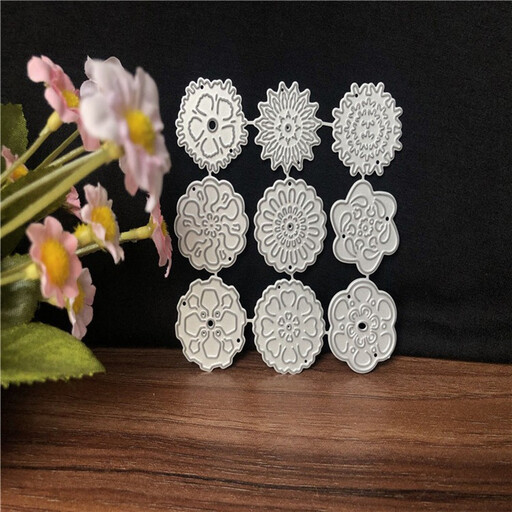
Why This Fits Their Persona: A practical starting point for UK crafters building a small collection for cards, journals and album pages without immediately buying several themed sets.
The listing identifies both card-making and background embossing uses, helping shoppers distinguish it from a single-purpose decorative outline.
Named as a paper craft template and embossing stencil; suitable for DIY album décor and card projects.
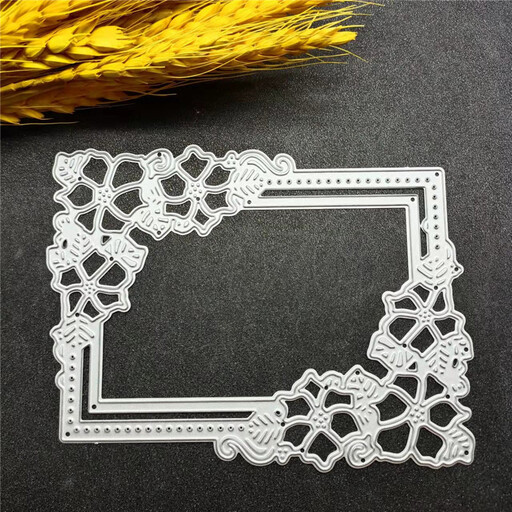
Why This Fits Their Persona: Suits scrapbookers who prefer a defined focal layout for family albums, baby pages, memory books and handmade keepsakes.
Its stated photo-frame format makes the intended layout clearer than a generic flower outline, reducing the risk of buying a motif that does not suit a central photograph.
Flower-frame design; listed for scrapbook albums, paper and decorative sticker projects.
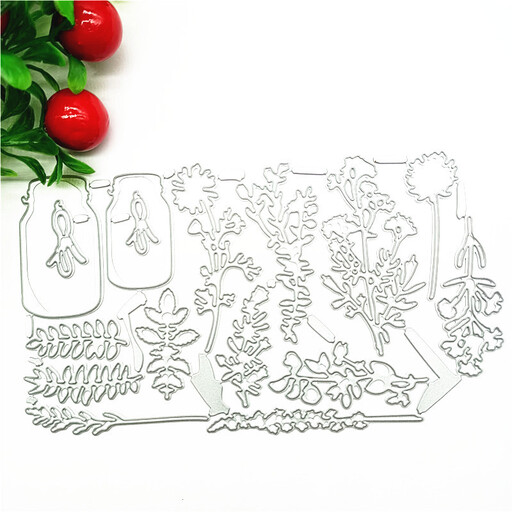
Why This Fits Their Persona: Appropriate for regular card makers and album creators who need repeatable edges, panels and decorative separators across multiple projects.
The stated border format helps distinguish a repeat-use edging tool from a one-off central embellishment.
Designed as a border die; listed for photo albums, card making and embossing paper.
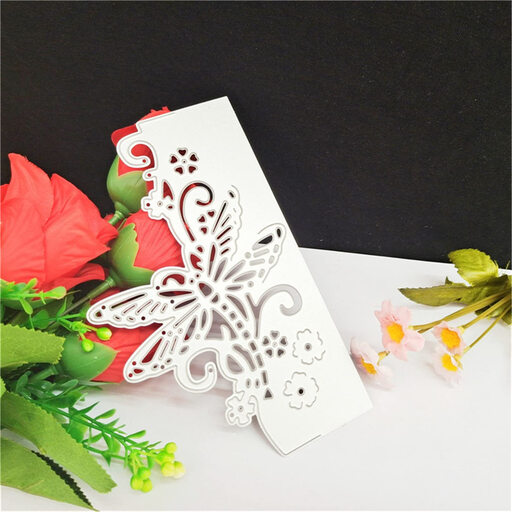
Why This Fits Their Persona: A focused option for makers producing festive cards, gift tags, seasonal journals or handmade presents in batches.
The Christmas-specific description sets a clear use case, rather than leaving buyers to infer the theme from decorative imagery.
Christmas-themed metal cutting dies; listed for card making, background embossing and DIY album décor.
Keep dies in a dry storage wallet or compartmented box to reduce contact with moisture. Paper fibres and adhesive residue should be removed carefully rather than scraped with a sharp object. Store small dies away from young children and pets because the cutting edges can be sharp.
For UK consumers, product safety information, seller details and returns terms should be visible before purchase. Check the listing for material information, operating instructions and any warnings. A die is an accessory for a compatible craft machine, not a standalone cutting device.
You can also browse related embossing stencils, paper craft templates and decorative tools in the wider range below.
We have compiled a complete, real-time list of products that fully satisfy these strict selection criteria and UK safety regulations.
No. Compatibility depends on the machine’s platform dimensions, pressure system and recommended material thickness. Check the machine manufacturer’s instructions and compare them with the die’s listed size before ordering.
Lifespan depends on usage frequency, material, storage and machine pressure. Cutting paper and standard card within the recommended limits can reduce unnecessary strain. Avoid forcing a die through a machine and store it dry to help maintain its condition.
The die itself does not require electricity, but it normally needs a compatible manual or electronic die-cutting machine, cutting plates and paper or card. Repeated projects may also require replacement plates or accessories over time. Check what equipment you already own before comparing the total cost of a new design.