
24/7 Customer Support

Free returns

Same-day & Next-day Delivery

Quality Guaranteed

Unlock Your Welcome Offers: FREE Delivery | Up to 80% OFF | Free 30-day JoyPlus trial
Download the APP
Buying metal cutting dies for scrapbooking can make handmade cards, albums and paper decorations more detailed without requiring intricate hand-cutting. However, attractive product images do not always reveal whether a die will suit your machine, paper stock or intended project.
This guide explains the main buying pitfalls, the specifications worth checking and our top recommendations for different crafting styles.
Most metal dies are designed to pass through a manual or electronic die-cutting system, but compatibility can vary. A die may be too large for a machine’s cutting area, or the selected platform and cutting plates may not provide the required pressure.
Before ordering, check:
If the listing does not state compatibility clearly, compare the die’s dimensions with your machine’s manual rather than relying on the product photograph.
Some listings show several layers, colours or finished cards in the image, although the product may contain only the metal die or stencil. This is a common source of disappointment when buyers expect paper, embellishments or a complete card-making kit.
Read the contents description carefully. Check whether you are buying:
The products featured below are selected as metal die or stencil options. Paper, machines and other card-making craft supplies should not be assumed to be included unless explicitly stated.
Fine lace, floral and background designs can create attractive results, but intricate cuts may require slower removal and careful handling. Thin paper fibres can remain lodged in small openings, especially when using textured card or adhesive-backed sheets.
For regular use, consider whether you want a detailed lace background or a simpler border and frame. A less intricate pattern may be more practical for quick batches of wedding stationery or greeting cards.
Look for a clear description of the die’s material and construction. Metal cutting dies should have a defined cutting edge and a flat profile suitable for use with the intended machine. If the material grade is not stated, avoid assuming that it is stainless steel or another premium alloy.
A flat die is also easier to store and organise with other die-cutting machine templates. Keep dies dry and wipe away paper dust after use. Avoid bending them when removing stuck paper.
Dimensions are particularly important for:
A square background die may suit a card panel or album page, while a narrow border die is more adaptable for edges and layered layouts. Check whether the product creates an outer shape, an internal aperture, a repeated pattern or a complete frame.
For larger projects, compare the die size with the page or card blank. A design that looks substantial in a listing image may be relatively small when used on an A5 card.
Cutting performance depends on the die, paper, machine pressure and cutting plates. Lightweight paper often releases more easily, while heavy card may need a suitable plate configuration. Foiled, glittered or adhesive-backed materials can also behave differently from ordinary cardstock.
For reliable results:
These steps can help protect both the die and your machine while reducing wasted paper.
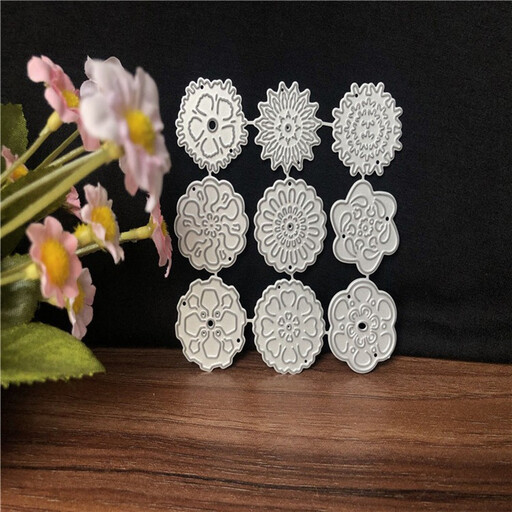
Why This Fits Their Persona: A practical option for people building a basic collection of paper craft cutting dies for handmade cards, albums and occasional home projects.
Its listed purpose covers card making, background embossing and album décor, helping shoppers identify the intended project type before purchasing.
Listed for paper craft punching and background embossing; suitable for DIY album decoration and card projects.
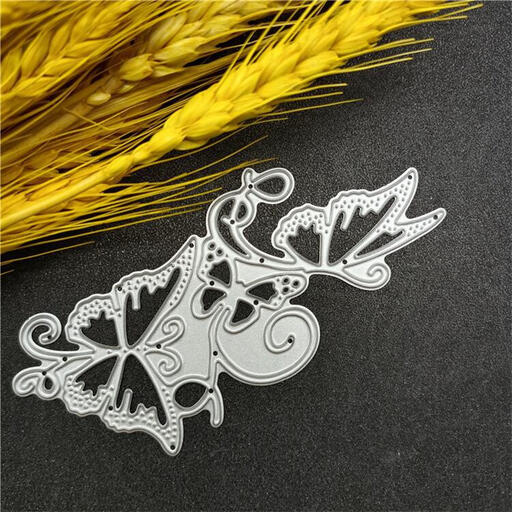
Why This Fits Their Persona: The 3D background and frame format suits crafters who want layered presentation for celebrations, albums or formal stationery.
The product name identifies it as a background and frame die, rather than implying that a complete decorated card or party set is included.
Designed around a 3D background and frame format; relevant to wedding decorations, party stationery and layered card making.
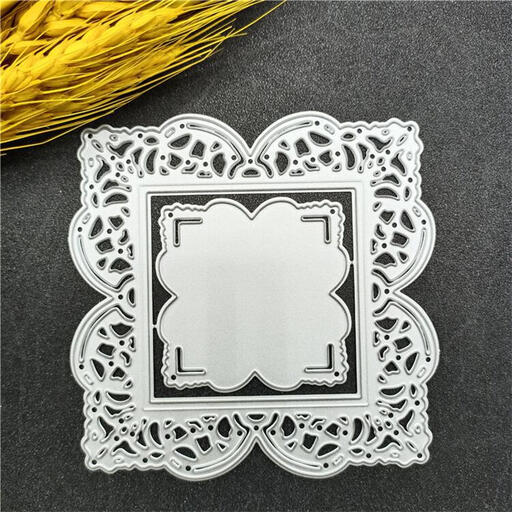
Why This Fits Their Persona: A border and background format is useful for repeat card batches, album pages and crafters who need adaptable layouts.
The listing clearly identifies the design as a background border and embossing stencil, making its role easier to match with a specific workflow.
Combines border and background applications; can support scrapbook pages, paper craft projects and repeated decorative edges.
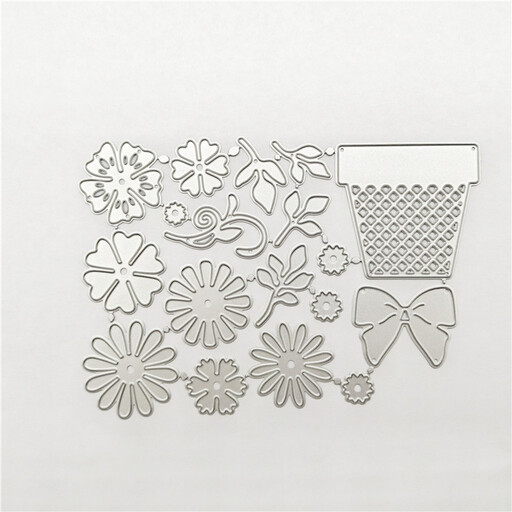
Why This Fits Their Persona: Floral and botanical motifs work well for photo frames, memory albums, spring-themed cards and decorative paper layers.
The flower, leaf, frame and photo-frame uses are stated directly, so shoppers can assess whether the motif fits their planned project.
Flower and leaf pattern; listed for embossing, photo frames, scrapbook pages and decorative cards.
We have compiled a complete, real-time list of products that fully satisfy these strict selection criteria and UK safety regulations.
Use a clean, firm work surface and keep fingers away from the cutting edge when handling dies. For intricate scrapbooking die cuts, remove paper gradually rather than pulling the entire sheet at once. A release sheet or thin paper layer may help with some designs, but follow your machine manufacturer’s guidance.
Store dies flat in labelled pockets or magnetic folders. Keeping designs separated makes it easier to find suitable card making dies and reduces the risk of scratching or bending them. If a die begins producing incomplete cuts, check the plate condition, machine sandwich and paper thickness before assuming the die has failed.
No. Compatibility depends on the die size, machine opening, platform and pressure setup. Check the product dimensions and your machine’s instructions before ordering. If the listing does not provide enough information, contact the seller for clarification.
Some may work with thicker card, but results depend on the die design, machine and cutting plates. Start with ordinary cardstock and make a small test cut. Very intricate paper craft cutting dies may need more careful paper removal when used with heavy or textured card.
Their usable life depends on frequency, materials, machine pressure and storage. Avoid forcing unsuitable materials through the machine, and replace worn or damaged cutting plates when required. Cleaning paper fibres from the design and storing dies flat can help maintain consistent results.