
24/7 Customer Support

Free returns

Same-day & Next-day Delivery

Quality Guaranteed

Unlock Your Welcome Offers: FREE Delivery | Up to 80% OFF | Free 30-day JoyPlus trial
Download the APP
Buying metal cutting dies for scrapbooking and card making can make handmade cards, albums and paper decorations far easier to produce. However, product listings often use broad terms such as “durable”, “universal” or “professional” without explaining the details that matter during everyday crafting.
A die that looks attractive online may be too large for your machine, too intricate for your preferred paper or designed mainly for embossing rather than cutting. Before choosing a set, check the construction, dimensions, intended function and machine compatibility.
Most metal dies are used with a compatible manual or electronic die-cutting machine, but machine platforms, cutting plates and sandwich thicknesses vary. “Universal” does not always mean compatible with every model available in the UK.
Check:
If the listing does not provide measurements, treat that as missing information rather than assuming the die will fit.
Some products are intended to cut paper, while others create a raised or recessed pattern. Certain designs may support both functions when used with the correct plates and mats, but this depends on the die’s construction and your machine.
A metal embossing die may create texture without fully separating the paper. For scrapbook album stencils, lace background dies and decorative panels, this can be useful. For sentiments, numbers or detailed shapes, you usually need a die with a defined cutting edge.
Fine lace patterns and highly detailed scrapbook die cuts can look impressive but may be slower to release from the die. Thin paper can tear, while thicker card may require extra passes or a different plate arrangement.
For regular card making, select designs that match your paper weight and working habits. A simple border cutting die may be more useful than a very intricate motif if you make multiple cards each week.
Look for clear information about the metal used. Listings may describe products as carbon steel, stainless steel or simply metal. Carbon steel die templates are commonly selected for their rigid construction, but the listing should still explain the intended use and size.
Inspect product images for:
The word “durable” alone is not a measurable specification. Proper storage also matters: keep dies dry and separated from damp materials to reduce the risk of surface corrosion.
Measure the area you want to decorate before ordering. A die for a small greeting card may not create a border large enough for a 12-inch scrapbook page. Conversely, an oversized background die may be inconvenient for compact card designs.
Useful categories include:
Check whether the product contains one design or multiple individual pieces. A set with separate letters or numbers can offer more layout flexibility, but repeated characters may be needed for longer words and dates.
Paper craft cutting dies are generally used with paper and card, but the suitable thickness varies. Start with ordinary craft paper or medium-weight card before attempting specialist materials.
Avoid forcing a sandwich that feels excessively tight. It can damage plates, distort delicate dies or affect the machine. Follow the machine manufacturer’s instructions, particularly when combining cutting and embossing accessories.
For UK households, also consider safe storage. Small metal dies can have sharp edges, so use a magnetic sheet, labelled wallet or lidded organiser and keep them away from children.
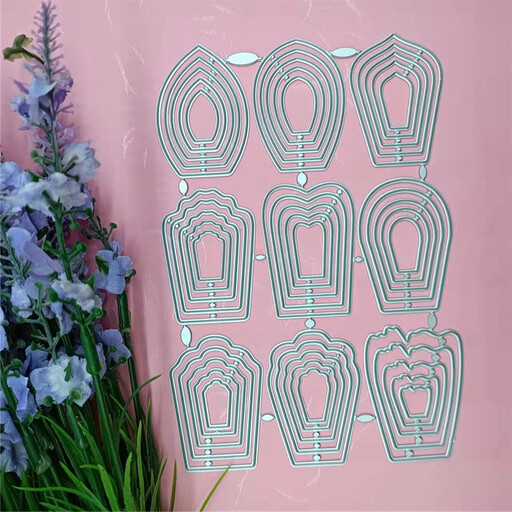
Why This Fits Their Persona: A general-purpose option for UK crafters starting with cards, albums and paper decorations without committing to one theme.
Its broad craft description makes it easier to compare intended uses rather than buying a design based only on promotional wording.
Suitable for album, scrapbook and card projects; compact die format can be practical for varied layouts.
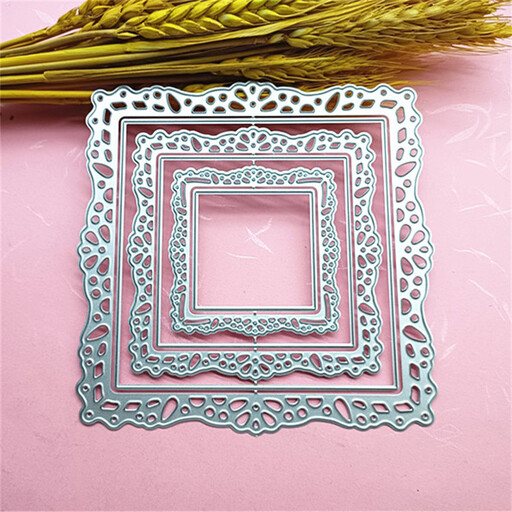
Why This Fits Their Persona: A suitable direction for makers who prioritise decorative texture and layered presentation in wedding stationery, albums or formal cards.
The square background format is clearly suited to panel work, reducing the risk of buying a small motif when a full-page texture is required.
Square hollow lace background design; listed for card making, embossing and scrapbook use.

Why This Fits Their Persona: Designed for frequent personalisation, including names, greetings, birthdays, dates and scrapbook headings.
The set contents are stated clearly as 26 capital letters plus 10 numbers, so you can assess character coverage before ordering.
Includes capital alphabet characters and numbers; useful for repeat lettering and date-based projects.
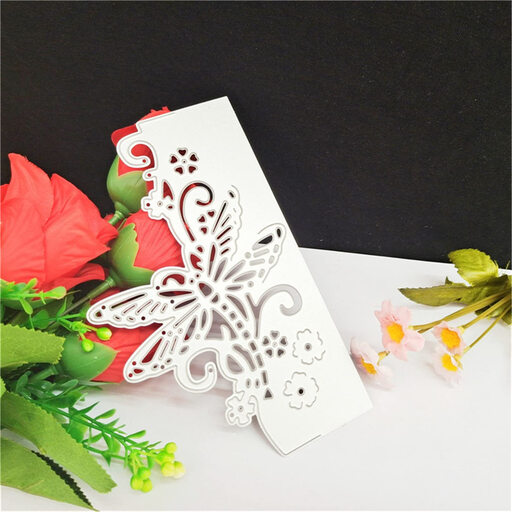
Why This Fits Their Persona: A themed option for makers preparing handmade Christmas cards, gift tags and seasonal scrapbook pages.
The Christmas theme is stated directly, helping you avoid an unrelated general-purpose set when a seasonal design is required.
Listed for Christmas die cuts, background embossing and DIY album décor; suited to repeat seasonal projects.
Use a clean, flat cutting plate and avoid placing folded or uneven paper under the die. For intricate paper craft cutting dies, wax paper or a release sheet may help separate the cut, provided it is suitable for your machine and material.
After use:
The ongoing cost is usually linked more to replacement plates, paper and accessories than to electricity, particularly with manual machines. Buying a die that matches your actual projects can therefore reduce wasted card and repeated purchases.
We have compiled a complete, real-time list of products that fully satisfy these strict selection criteria and UK safety regulations.
Yes, many are designed for paper and card projects, but compatibility depends on the die-cutting machine, plate arrangement and material thickness. Always check the product dimensions and machine guidance before use.
Remove paper fragments with a soft brush or tool, then store the dies flat in a dry magnetic wallet or organiser. Avoid water and adhesive residue, as moisture may contribute to corrosion and glue can affect future cuts.
Usually, individual-character sets contain one of each letter or number. If you regularly make longer names, repeated dates or multiple invitations, check the contents and consider whether you will need to run the same character through the machine more than once.