
24/7 Customer Support

Free returns

Same-day & Next-day Delivery

Quality Guaranteed

Unlock Your Welcome Offers: FREE Delivery | Up to 80% OFF | Free 30-day JoyPlus trial
Download the APP
Choosing metal cutting dies for scrapbooking can seem straightforward until a die fails to release paper, does not fit your machine or produces a design that is too small for the project. Decorative dies are useful for scrapbook albums, greeting cards, invitations and handmade gifts, but attractive product images do not always show the practical details that matter.
Before buying scrapbooking cutting dies, card-making dies or paper craft dies, check the material, dimensions, machine compatibility and the type of finish you want. The right choice can make repeated projects more predictable and reduce wasted card, paper and adhesive.
Most metal die-cuts are designed for use with a manual or electronic die-cutting system, but machine openings, platform arrangements and maximum working widths vary. A die may physically look suitable yet fail to pass through the required cutting sandwich.
Check:
If the listing does not provide enough information, compare the dimensions with your existing die-cutting templates before ordering.
Some products are described using several terms, including embossing stencils, metal stencils, moulds and cutting dies. These terms are not always interchangeable. A cutting die is intended to cut a shape from paper or card, while an embossing design may create a raised or pressed pattern. Some products can support both functions when used with suitable accessories, but this should not be assumed.
Read the product title and images carefully, particularly where a listing says “only cutting dies” or presents several tools in one photograph.
Fine lace, small lettering and intricate floral patterns can look effective in product images but may require careful release from the die. Thin paper can tear, while heavy card may need a different cutting-plate pressure or more than one pass.
For regular crafting, choose designs that match your preferred materials. Large backgrounds and frames are generally more forgiving for beginners, while detailed flower cutting dies, butterfly cutting dies and lettering suit crafters who are comfortable with paper release tools.
Look for clearly stated material information. The Big Tree product, for example, identifies carbon steel in its title. Material descriptions help you compare products, although they do not by themselves guarantee cutting performance or service life.
After use, remove paper fibres and adhesive residue from the die. Store metal die-cuts flat or in a protective wallet to help reduce bending and surface damage. Avoid forcing thick materials through a machine unless the manufacturer confirms compatibility.
Measure your card blanks, album pages and intended photo area before choosing a die. A frame that works on a 6 x 4-inch photograph may not suit a square card or A5 scrapbook page. Also consider whether the design creates a border, a standalone shape or a full background.
For scrapbook album decorations, border dies and frame shapes can provide structure around photographs. For handmade greetings, wording and small motifs are easier to position when their finished size is known in advance.
A single decorative die may be useful for a particular project, while a set with related shapes can support layered designs. Butterfly, floral and baby-themed patterns can be combined with plain card, patterned paper, vellum or contrasting layers.
Check whether the listing includes one die, multiple dies or additional stamps. This is particularly important for products with titles mentioning both clear stamps and cutting dies. Do not assume that every pictured accessory is included.
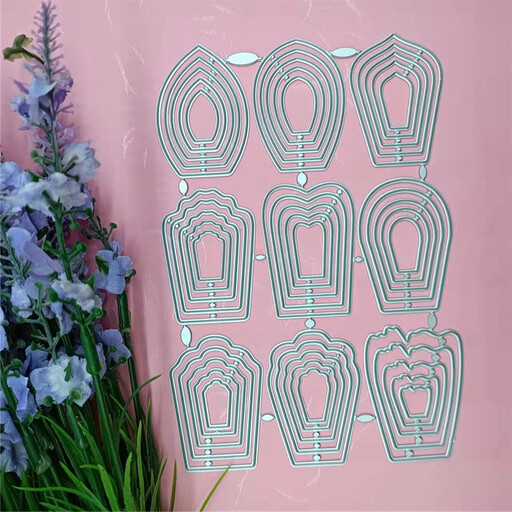
Why This Fits Their Persona: Its general album, paper and card wording suits crafters building a basic collection for different DIY projects at home in the UK.
The title identifies it as a metal stencil template mould, making it easier to compare its intended function before purchase rather than relying only on decorative imagery.
Suitable for album, paper and card craft themes; can be considered for a mixed-use starter selection.
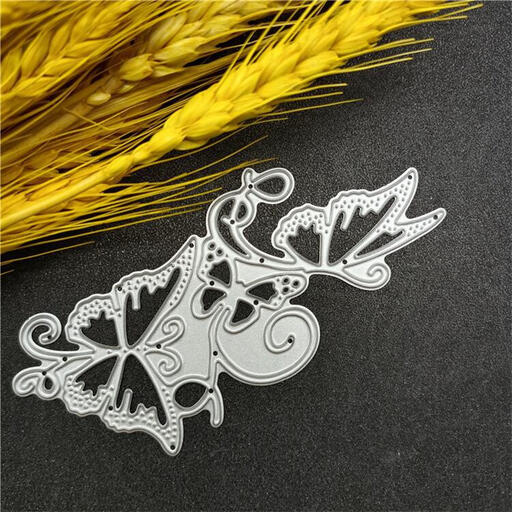
Why This Fits Their Persona: This is suited to crafters who want a more layered, design-led look for scrapbook pages, cards, party stationery or wedding decorations.
Its description specifies 3D backgrounds and a frame, helping you distinguish a structural background die from a small standalone motif.
Designed around background and frame decoration; suitable for layered card and album compositions.
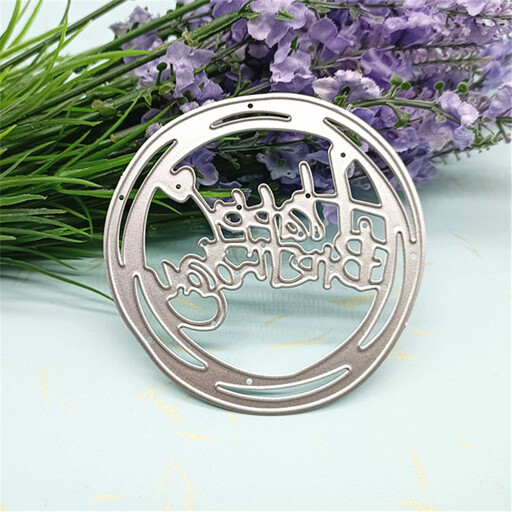
Why This Fits Their Persona: Frequent card makers can use a birthday greeting repeatedly for handmade cards, party invitations and gift tags.
The wording identifies an English birthday phrase and a card-making purpose, rather than leaving the intended application unclear.
Reusable greeting design; specifically positioned for card-making kits and scrapbook machine use.
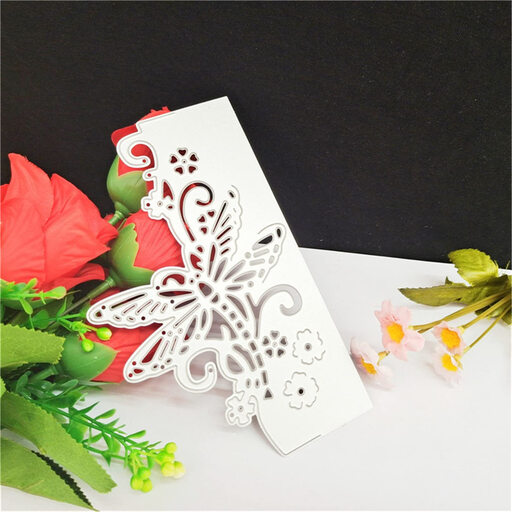
Why This Fits Their Persona: A practical match for crafters preparing seasonal cards, gift tags and scrapbook album decorations with a Christmas theme.
The seasonal purpose is stated directly, helping prevent the purchase of a general motif when a Christmas-specific design is required.
Christmas-focused theme; suitable for paper craft projects, cards and seasonal album decoration.
Use a clean cutting plate and position the paper securely before rolling it through the machine. For intricate dies, a thin sheet of wax paper or a release aid may help, provided it is suitable for your machine and paper type. Test unfamiliar materials with a small piece of card first.
Store dies away from moisture and loose craft debris. If a design becomes difficult to release, check for adhesive build-up, a bent edge or insufficient pressure before assuming the die is worn out. Service life depends on material, storage, frequency of use and the thickness of material being cut.
No. Compatibility depends on the machine, platform, plate arrangement and die thickness. Check the product dimensions and your machine instructions before buying. When uncertain, choose a listing that clearly identifies the product as a thin metal die or card-making die and compare it with a die you already use.
Only if the die and machine instructions support those materials. Many paper craft dies are intended for paper and card rather than fabric, foam or other dense materials. Using unsuitable materials can affect the cutting edge, machine pressure and release process.
Remove scraps promptly, keep adhesive away from the cutting edge and store each die flat in a dry protective sleeve. Avoid bending delicate designs and use the correct plate combination. Regularly cutting very thick card may shorten the useful life of a die, so confirm the recommended material range before repeated use.