
24/7 Customer Support

Free returns

Same-day & Next-day Delivery

Quality Guaranteed

Unlock Your Welcome Offers: FREE Delivery | Up to 80% OFF | Free 30-day JoyPlus trial
Download the APP
Metal cutting dies for scrapbooking can turn plain card, patterned paper and photo albums into personalised craft projects. However, attractive product images do not always reveal whether a die will suit your machine, cut the materials you use or provide enough design variety for regular crafting.
This guide explains the practical checks to make before buying scrapbooking dies, card making dies and related DIY craft supplies in the UK.
A metal die may look universal, but manual and electronic die-cutting machines can have different requirements for platforms, cutting plates, pressure settings and maximum die size. Product listings may show the design without clearly explaining compatibility.
Before ordering, check:
If the dimensions are not listed, contact the seller before purchase rather than relying on the product photograph.
Some listings use terms such as “embossing”, “stencil” and “die-cut” together. These functions are related but not identical. A cutting die is designed to cut through paper or card, while an embossing stencil or embossing folder generally creates a raised or recessed pattern.
For layered scrapbook embellishments, you may need a die that cuts cleanly. For texture on a card front, an embossing tool or stencil may be more suitable. A product described as a cutting and embossing design may require separate plates or accessories for each function.
Intricate flower cutting dies, lace frames and narrow borders can create detailed results, but fine sections may be harder to release from the die. Very small pieces can also be time-consuming to remove from intricate patterns.
Look for designs that match your patience, storage system and normal project size. A versatile alphabet set or border die may be used more often than a highly specific decorative shape.
Many paper craft dies are made from carbon steel or another thin metal alloy. The listing should identify the material where possible. A metal die needs to retain a defined cutting edge and remain sufficiently flat for even pressure.
Avoid assuming that a thicker-looking die is automatically more suitable. Thickness must work with your machine’s cutting sandwich. Also check for signs of bent edges, incomplete product information or unclear close-up photographs.
Measure your intended paper, card blanks and die-cutting machine opening. A large background die may be suitable for scrapbook pages but impractical for small handmade cards. Conversely, tiny alphabet cutting dies can be useful for labels, yet may not provide enough impact for a full album page.
Check the product dimensions, included pieces and whether the listing refers to a single die or a set. This is particularly important for number cutting dies, Christmas cutting dies and layered flower designs.
Most metal cutting dies are selected for paper and card, but the maximum thickness and suitable materials can vary. Test a small piece of ordinary card before using valuable photographs, speciality paper or textured stock.
Consider your project:
A cordless hot glue gun can complement die-cutting when attaching paper layers, ribbon or lightweight embellishments, but it should be used with suitable supervision and care.
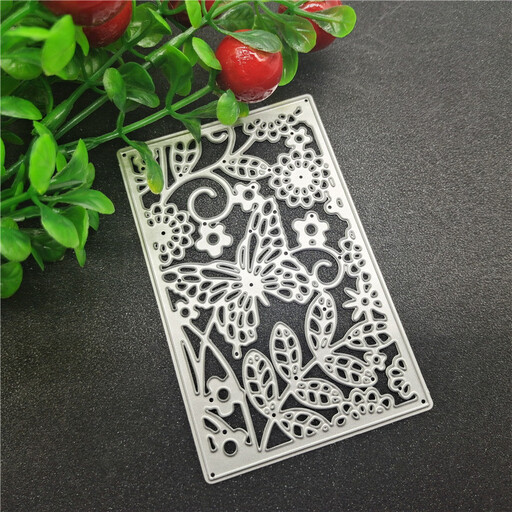
Why This Fits Their Persona: A butterfly and leaf motif gives new scrapbookers a straightforward starting point for cards, albums and seasonal decorations without committing to a large themed collection.
The recognisable shape is less dependent on tiny intricate sections, making it easier to plan simple projects and assess machine compatibility first.
Butterfly and leaf elements; suitable for scrapbook, album and paper-card decoration.
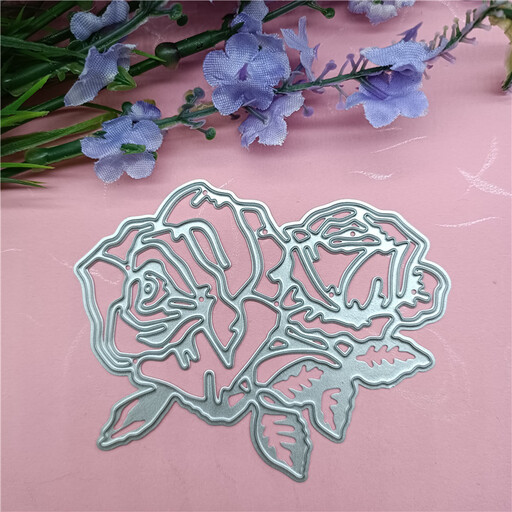
Why This Fits Their Persona: Crafters who favour layered floral compositions can use rose motifs across handmade cards, photo albums and decorative paper projects.
The floral theme supports repeated use in different colour schemes, rather than limiting the die to one event or page style.
Rose flower design; listed for embossing, card making and scrapbooking applications.

Why This Fits Their Persona: Regular scrapbookers, teachers and gift makers can create names, headings, dates and short messages for repeated projects.
A complete capital-letter set is easier to plan around than buying individual letters that may not cover common words.
26 capital letters; includes 10 numbers according to the product title.
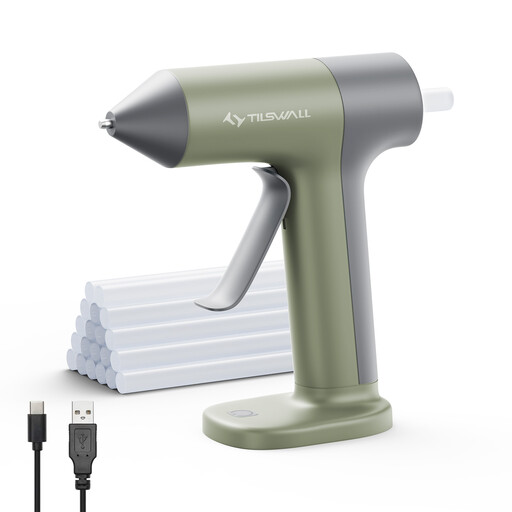
Why This Fits Their Persona: Useful for crafters who regularly assemble layered paper projects, attach lightweight decorations or work away from a mains socket.
The listing specifies a 30-second preheat, auto shut-off after five minutes without detected movement and tip-over protection, rather than relying only on general safety wording.
2000mAh rechargeable battery; up to 60 minutes of cordless use; supplied with 20 glue sticks.
We have compiled a complete, real-time list of products that fully satisfy these strict selection criteria and UK safety regulations.
Use a clean, flat cutting surface and follow your machine’s recommended plate arrangement. Place the paper with the intended cutting side facing the correct direction, then apply steady pressure rather than forcing the handle.
For intricate paper craft dies, use a release tool or small brush to remove cut pieces carefully. Store dies in labelled pockets or magnetic sheets to reduce loss and prevent them rubbing against other metal components. Keep photographs and finished pages away from adhesive until the cut pieces have been positioned and checked.
If children are involved, adults should manage the die-cutting machine and hot glue gun. A cordless glue gun still has a heated nozzle, even when the body is compact.
No. Compatibility depends on the machine, platform, cutting plates and die thickness. Check the machine manual and product dimensions before buying. If the listing does not provide enough information, ask the seller for confirmation.
Lifespan depends on the metal construction, frequency of use, materials and storage. Cutting paper and card within the recommended limits can help reduce wear. Avoid forcing unsuitable materials through the machine and keep dies dry and protected from scratches.
The ongoing cost is usually limited to paper, card and occasional accessories, while an electronic cutting machine may also involve electricity, blades, mats or software. Actual cost depends on the project volume and the equipment already available. Compare the die price with the number of times you expect to reuse its design.
Many designs can be used for both, provided the size suits the project and the material is compatible. Flower cutting dies, alphabet cutting dies and border cutting dies are particularly adaptable across cards, albums, tags and scrapbook embellishments.