
24/7 Customer Support

Free returns

Same-day & Next-day Delivery

Quality Guaranteed

Unlock Your Welcome Offers: FREE Delivery | Up to 80% OFF | Free 30-day JoyPlus trial
Download the APP
Creating scrapbook pages, handmade cards and personalised photo albums can be rewarding, but the wrong die set can quickly become an expensive drawer item. Listings may use phrases such as “universal”, “durable” or “professional” without explaining which machines, materials or project sizes the product actually suits.
Before choosing metal cutting dies for scrapbooking, check the construction, design scale and intended use. A few minutes spent comparing these details can help prevent poor cuts, unsuitable designs and unnecessary repeat purchases.
Most metal cutting dies are intended for use with a compatible manual or electronic die-cutting machine, but compatibility can vary. Factors include the machine’s cutting platform, opening width and recommended material thickness. Check the die and machine instructions before buying rather than relying on the word “universal”.
A delicate border may look suitable online but be too large for an A6 card, or too small for a scrapbook page. Likewise, intricate scrapbooking die cuts can become difficult to handle if the design includes very narrow sections. Look for stated dimensions and compare them with your card blanks, album pages or journal layouts.
A cutting die creates a shaped cut-out, while an embossing die or stencil creates a raised, pressed or textured pattern. Some products combine both functions, but not every metal die is designed to emboss. Confirm whether the listing describes cutting, embossing or both, and follow the machine manufacturer’s sandwich instructions.
Metal cutting dies should be sufficiently rigid for repeated passes through a suitable machine. However, a product description alone may not confirm the precise alloy, coating or thickness. Treat vague claims carefully and prioritise listings that clearly identify the product as a metal die or stencil.
For delicate DIY paper craft dies, inspect the design preview for thin bridges and small enclosed areas. These details affect how easily the paper can be released after cutting. A die with many fine sections may need a shim, release paper or additional passes, depending on the machine and card stock.
Check whether the die is intended for:
Do not force a die through a machine. Excess pressure can damage the cutting plate, rollers or die. For UK crafters working in smaller home studios, measuring the die-cutting machine’s platform is also useful before buying larger background designs.
Match the design to the finished project. Cutting dies for card making often need a scale suited to A6, square or DL card blanks, while scrapbook photo album decorations can be larger. Borders, lettering and corner patterns are useful for layout structure; flowers, butterflies and leaves add decorative layers; occasion-specific shapes are better for targeted projects.
For wedding invitations, check whether the pattern can be repeated consistently across several cards. For journals, smaller metal die stencils may be easier to position around writing and photographs.
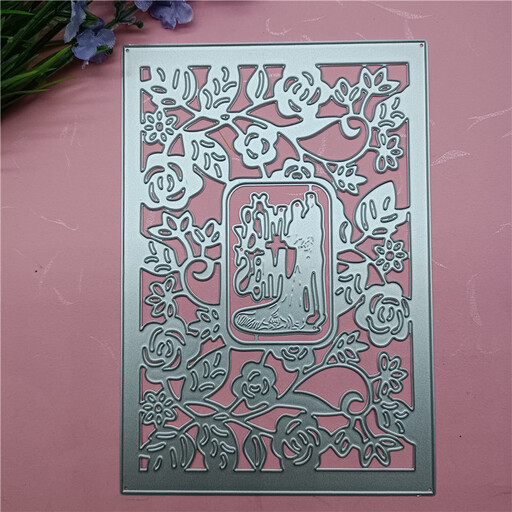
Why This Fits Their Persona: A combined clear-stamp and metal-die format gives beginners two decorative methods for cards, albums and paper projects without selecting separate product types.
The product name identifies both clear stamps and metal cutting dies, helping shoppers distinguish it from a cutting-only or embossing-only listing.
Combines two craft formats; suitable for DIY card making and decorative photo-album work.
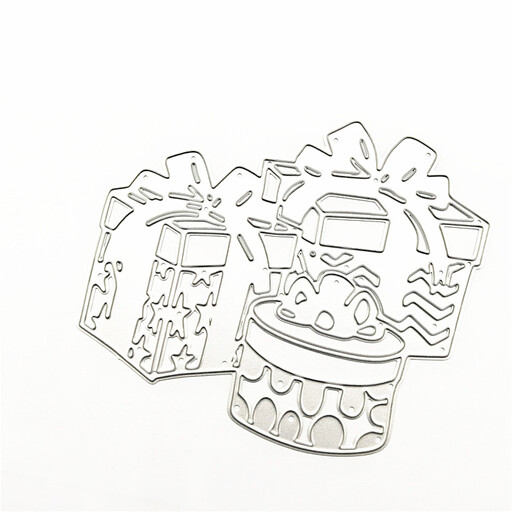
Why This Fits Their Persona: Suitable for crafters who want a defined decorative format for paper cards, gifts and album projects, with cutting and embossing included in the product description.
Its listing distinguishes die-cutting and embossing, so buyers can check machine requirements instead of assuming a stencil performs both tasks.
Designed for paper cards and albums; product description includes cutting and embossing functions.
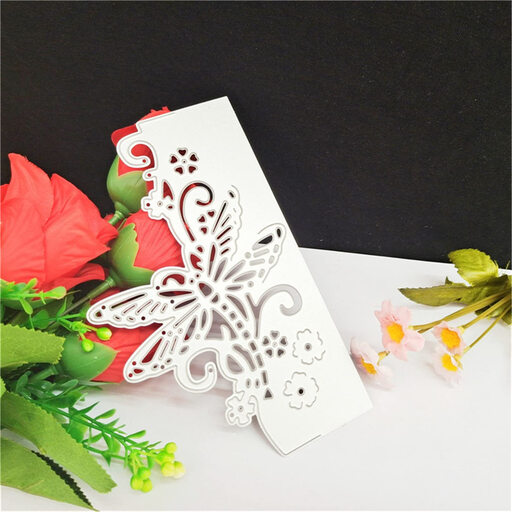
Why This Fits Their Persona: A focused seasonal option for people producing multiple Christmas cards, gift tags or festive scrapbook pages.
The seasonal purpose is clear from the title, reducing the risk of buying a general decorative die when a Christmas-specific design is required.
Christmas theme; suitable for card making, paper craft and DIY album décor.
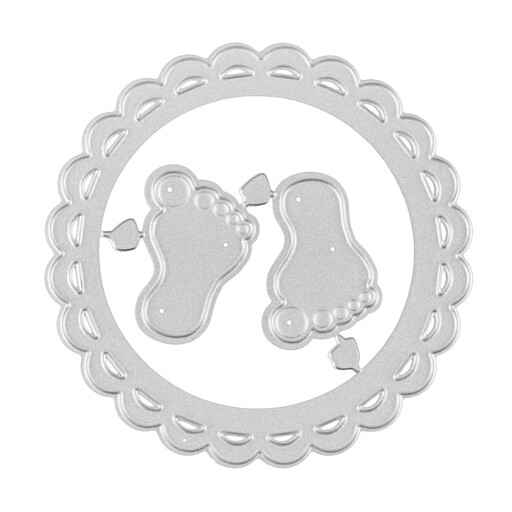
Why This Fits Their Persona: A clearly themed choice for personalised new-baby cards, memory books, scrapbook pages and keepsake projects.
The baby-feet theme is stated directly, making it easier to match the die to a specific occasion rather than buying an unrelated multi-purpose shape.
Baby-themed design; intended for card making, scrapbooking and DIY album decoration.
We have compiled a complete, real-time list of products that fully satisfy these strict selection criteria and UK safety regulations.
They are generally intended for repeated use, but their working life depends on the die’s construction, the machine, the material being cut and storage conditions. Avoid forcing unsuitable materials through the machine, and replace a die if it becomes bent or no longer cuts cleanly.
Yes, provided the design size and style suit the invitation format. Border, lace, flower and lettering designs can be useful for wedding stationery. Check the finished dimensions first and make a test cut before committing to a large quantity.
Some do, but not all. Product listings that mention both die-cutting and embossing may support both functions when used with the correct machine plates or folders. Always check the instructions and compatibility details before attempting to emboss.