
24/7 Customer Support

Free returns

Same-day & Next-day Delivery

Quality Guaranteed

Unlock Your Welcome Offers: FREE Delivery | Up to 80% OFF | Free 30-day JoyPlus trial
Download the APP
Creating handmade cards, scrapbook pages and personalised gifts can be rewarding, but the wrong cutting set may quickly become frustrating. Metal cutting dies for scrapbooking and card making vary considerably in size, detail, compatibility and intended use. A low-priced set can look attractive online yet fail to cut cleanly, fit your machine or suit the paper projects you have planned.
This guide explains the practical checks to make before buying, then matches several options to different crafting needs.
Many paper cutting dies are designed for use with manual die-cutting and embossing machines, but compatibility is not automatic. Check:
If a die is too large, too intricate or used with an unsuitable sandwich arrangement, it may produce incomplete cuts or place unnecessary pressure on the machine.
A detailed die may cut neatly through lightweight paper but struggle with layered cardstock. Conversely, a large, open design may be easier to use for thicker card. Before ordering, consider the materials you normally use for:
Product listings do not always provide a full cutting-depth specification, so check the description and customer information where available. Avoid assuming that a decorative craft die will handle fabric, foam or heavyweight board unless this is clearly stated.
Some embossing stencils create raised patterns without cutting through the paper. Other metal die templates cut an outline, while combination sets may offer both functions. If you want a floral edge, layered shape or greeting panel, confirm whether the result is:
Understanding this distinction helps prevent buying a visually attractive set that does not produce the finish you intended.
Look for a clearly described metal material, such as carbon steel, and inspect product images for cleanly formed edges and defined detail. Metal cutting dies should be stored flat or in a protective wallet to reduce bending and help prevent paper fibres collecting around fine sections.
A die with many narrow openings may create intricate results, but it can also require careful removal. A small die brush, release paper or a poking tool may be useful for detailed scrapbooking die cuts.
Measure the finished project area before choosing card-making dies. A small flower or leaf die may suit layered embellishments, whereas a border or frame die needs to span the width of a card or album page.
Pay attention to whether a listing contains:
Sets offering several related shapes can be useful for repeated projects, but a larger quantity is not automatically more practical if the designs do not match your crafting style.
Most DIY craft dies require a compatible manual cutting machine, cutting plates and a stable work surface. They do not generally operate independently. Keep the dies away from moisture, especially in craft rooms, sheds or storage areas where condensation may occur.
For intricate designs, use a smooth sheet of paper and make one test cut before working on a finished card. This helps you adjust the plate combination and positioning without wasting your preferred cardstock.
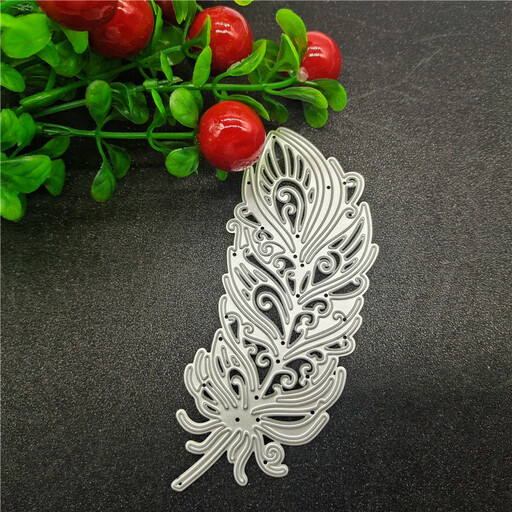
Why This Fits Their Persona: Leaf motifs are adaptable for beginners making cards, scrapbook pages, journals or seasonal paper decorations in a home craft space.
Its clearly defined leaf theme makes the intended use apparent, reducing the risk of buying an overly broad set with shapes you may not use.
Leaf shapes suit layering and nature-themed layouts; the product is listed for album, stamp and paper-card projects.
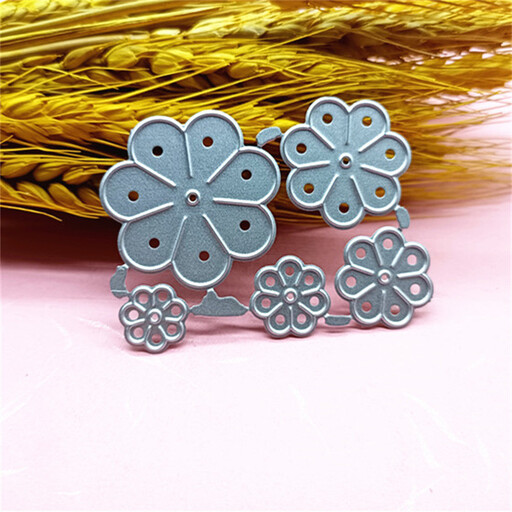
Why This Fits Their Persona: Crafters who value coordinated embellishments can use petal and leaf shapes to build layered floral details for cards, albums and personalised gifts.
The coordinated flower-and-leaf format is more specific than a mixed novelty pack, making it easier to plan a consistent project.
Includes petal and leaf motifs; suitable for decorative paper cards and DIY scrapbooking.
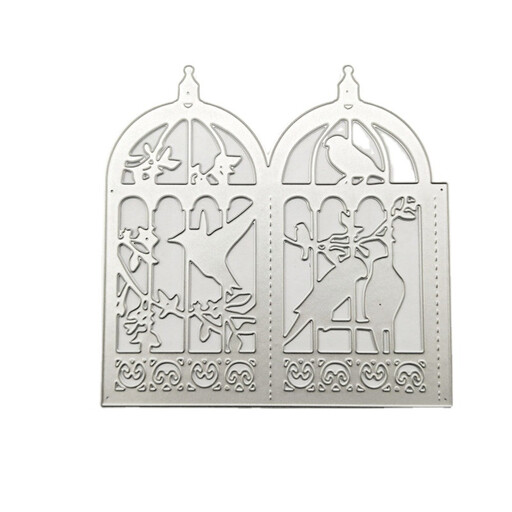
Why This Fits Their Persona: Anyone preparing several invitations, congratulations cards or wedding keepsakes may prefer a clearly themed design rather than a general-purpose pack.
The wedding-specific purpose helps prevent buying a seasonal or novelty design that cannot be reused for your planned stationery.
Designed for wedding-themed scrapbook, paper-card and embossing projects; suited to coordinated stationery work.
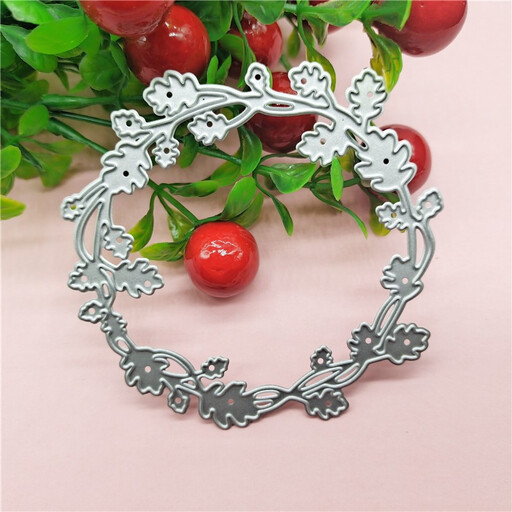
Why This Fits Their Persona: This option suits makers creating Christmas cards, festive scrapbook pages and seasonal decorations rather than everyday floral projects.
Its stated Christmas theme makes the use case clear, helping shoppers avoid vague listings where the final motif is difficult to identify.
Wreath design is intended for Christmas die-cutting, scrapbooking and card-making projects.
We have compiled a complete, real-time list of products that fully satisfy these strict selection criteria and UK safety regulations.
For younger crafters, supervise the use of metal tools and follow the product’s safety information. Small dies can present a choking risk if accessible to children.
No. Compatibility depends on the machine’s platform, pressure system and approved plate arrangement. Confirm that it supports thin metal dies and check the die dimensions before buying. If instructions are unavailable, contact the seller rather than forcing the plates together.
Lifespan depends on the metal construction, frequency of use, paper type, storage and machine pressure. Clean, dry storage and correct plate configuration can help reduce bending and premature wear. Avoid using materials outside the product’s stated purpose.
They can be cost-effective for repeated projects because one die may create many paper shapes from your own materials. However, remember to include the cost of a compatible die-cutting machine, plates, cardstock and adhesives when calculating your total craft budget.