
24/7 全天候客户支持

免费退货

当日/次日达

品质保障

开启新人专享福利: 全场免邮 | 低至 2 折 | 免费试用 30 天 JoyPlus 会员
下载 Joybuy
As a crafter, there's nothing quite like the satisfaction of creating a perfectly crisp, intricate shape with a die-cutting machine. Metal cutting dies have transformed DIY paper crafts, allowing for professional-looking results on everything from handmade cards to scrapbook pages. However, the growing market is filled with options that can look great online but fail to deliver. Many crafters in the UK find themselves with dies that warp, fail to cut cleanly, or are simply not compatible with their machines.
Before you add another set of dies to your collection, it's worth understanding the common issues that can lead to a disappointing purchase. As the Joybuy Product Recommendation Officer, my role is to help you navigate these choices by highlighting what truly matters. Here are a few pitfalls to watch out for:
By focusing on a few key technical details, you can avoid these problems and select craft die cuts that will be a reliable part of your toolkit for years to come.
To ensure your next set of metal cutting dies performs as expected, pay close attention to these three factors. They are far more important than flashy packaging or marketing buzzwords.
The material of the die is the foundation of its performance and longevity. Look for dies made from 100% high-carbon steel. Unlike softer metals, high-carbon steel offers superior hardness and durability. This means it can withstand the repeated pressure of a die-cutting machine without warping. More importantly, it holds a sharp edge for much longer, ensuring you get clean, precise cuts time after time. Dies made from this material are a sounder investment for anyone serious about their DIY paper crafts.
A die's ability to cut cleanly is determined by its construction. A well-made die will have a visible, deeply etched cutting line. This sharp, raised edge is what slices through the paper fibres. Shallow or rounded edges are a primary cause of tearing and incomplete cuts. While it can be hard to judge from a picture, look for product images that show the die at an angle. A quality die will also have a consistent thickness (typically around 0.8mm) which ensures it works smoothly with the standard plate-and-shim "sandwich" in most manual die-cutting machines.
The design of the die should match your intended use.
Understanding these types helps you build a versatile collection that serves your specific creative projects, whether you're focused on card making stencils or elaborate scrapbook layouts.
To help you find the right fit, here are a few recommendations matched to different crafting styles and needs.
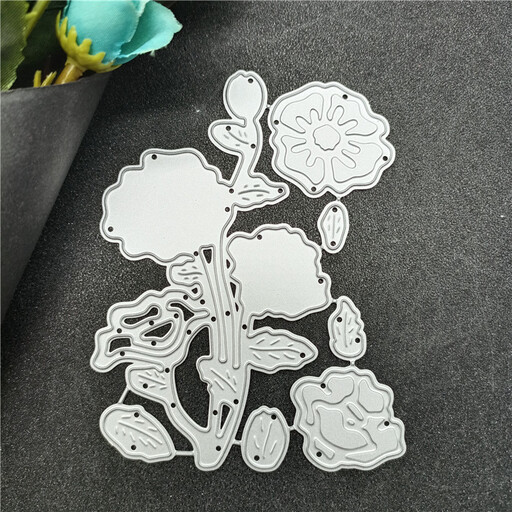
Why This Fits Their Persona: Perfect for someone who makes cards for birthdays and holidays. A versatile label shape is a staple for sentiments and focal points, offering great utility without needing a large, specialised collection.
The simple, robust design with clear cutting lines is less prone to the warping and fuzzy edges seen in overly complex, low-quality dies. It's built for reliability over flash.
Its classic label shape is highly versatile, suitable for card making, gift tags and scrapbooking. The solid construction ensures consistent results.
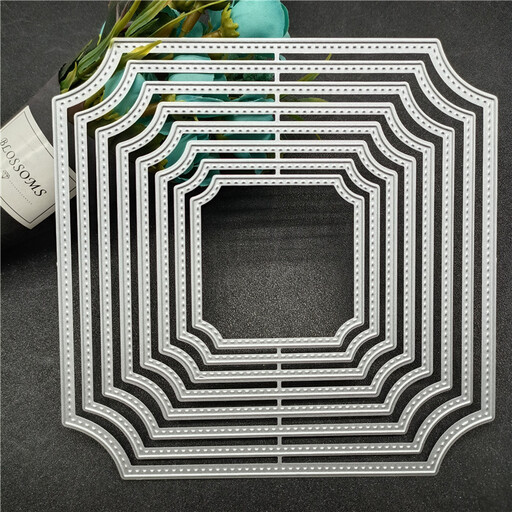
Why This Fits Their Persona: A scrapbooker needs a variety of frames for photos and journaling spots. This 8-piece set provides multiple nested sizes and shapes, offering excellent value and creative options for album layouts.
By providing a full set of nesting frames, it solves the compatibility issue of trying to match different single dies. The sturdy carbon steel construction prevents warping during frequent use.
The 8-piece set offers great versatility for creating layered mats and frames. The irregular shape adds a modern, dynamic touch to scrapbook pages.
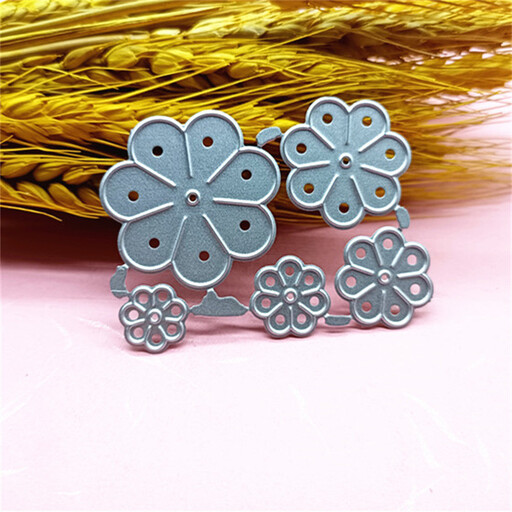
Why This Fits Their Persona: For the crafter who loves creating dimensional, detailed embellishments. This set is designed specifically for building 3D flowers, perfect for wedding stationery or high-end cards.
Unlike generic flower shapes, these are engineered as a set for layering. The sharp etching ensures each petal cuts cleanly, avoiding the fuzzy edges that would ruin a delicate 3D effect.
Includes multiple petal and leaf sizes for creating customised, dimensional flowers. The separate pieces allow for use with different colours of cardstock for a realistic look.
We have compiled a complete, real-time list of products that fully satisfy these strict selection criteria and UK safety regulations.
Here are answers to a few common questions UK crafters have about using and maintaining their metal cutting dies.
Not always. While most thin metal dies (often called "wafer-thin" dies) are designed to be compatible with the majority of personal die-cutting machines, it's wise to check. The key is the "sandwich" of plates you use. Always start with the manufacturer's recommended plate combination for thin dies. If a cut is incomplete, you can add a thin piece of cardstock as a shim, but never force a sandwich through that feels too tight, as this can damage your machine's rollers.
This is a common frustration. First, ensure your cutting plates are not excessively warped or scratched, as this can affect pressure. For very detailed dies, try placing a sheet of wax paper between the die and your cardstock. This can help the paper release more easily. Additionally, running the die through your machine and then back again can help ensure all the fine details are cut cleanly. Finally, use the release holes on the back of the die with a piercing tool to gently push the paper out.
Proper storage not only keeps you organised but also protects your investment. Magnetic sheets placed inside folders or plastic storage cases are a popular and effective solution. This keeps the dies flat, prevents them from getting bent or lost and makes it easy to see your entire collection at a glance. Avoid simply tossing them into a drawer, where they can get scratched or interlocked, potentially damaging their fine cutting edges.