
24/7 Customer Support

Free returns

Same-day & Next-day Delivery

Quality Guaranteed

Unlock Your Welcome Offers: FREE Delivery | Up to 80% OFF | Free 30-day JoyPlus trial
Download the APP
For any papercraft enthusiast in the UK, from those creating handmade cards to small business owners designing bespoke wedding stationery, metal cutting dies are an essential tool. They promise crisp, perfect shapes every time, elevating a simple piece of card into something truly special. Yet, the online marketplace is flooded with options, and not all are created equal. A poor choice can lead to wasted money, ruined materials and immense frustration.
As the Joybuy Product Recommendation Officer, my role is to help you navigate these choices. We will look at the common pitfalls that catch out even experienced crafters and highlight the key features that genuinely matter, ensuring your next purchase enhances your creativity rather than hindering it.
Before adding a new design to your basket, it is crucial to be aware of a few common issues that plague inferior products. Recognising them can save you both time and money.
To ensure your scrapbooking dies and die cuts for card making deliver flawless results, focus on these fundamental parameters.
The material of the die is the primary indicator of its quality and lifespan. Look for dies made from 100% high-carbon steel. This material is harder and holds a sharp edge for much longer than cheaper metal alloys. A high-carbon steel die is more resistant to warping and can handle repeated passes through your machine, even with thicker cardstock (up to 300gsm). It is the foundation of reliable paper craft supplies.
A quality die feels substantial, not flimsy. While there is no universal standard, a slightly thicker die generally provides more stability. More importantly, inspect the etching depth of the cutting edge. A deeper, more defined edge is what creates that clean, sharp cut. Dies with shallow etching are the main culprits behind ragged edges and incomplete cuts, so a clear, deep cutting line is a key sign of a well-made craft die cutting template.
Never assume a die will fit your machine. Before purchasing, measure the width of your die-cutting machine's platform (e.g., Sizzix Big Shot, Gemini, Cuttlebug). Compare this measurement to the dimensions listed in the product specifications. This simple check prevents the frustration of receiving a beautiful die that you cannot use or that could potentially damage your equipment.
Based on these practical criteria, here are a few recommendations from our catalogue, matched to different crafting needs and styles.
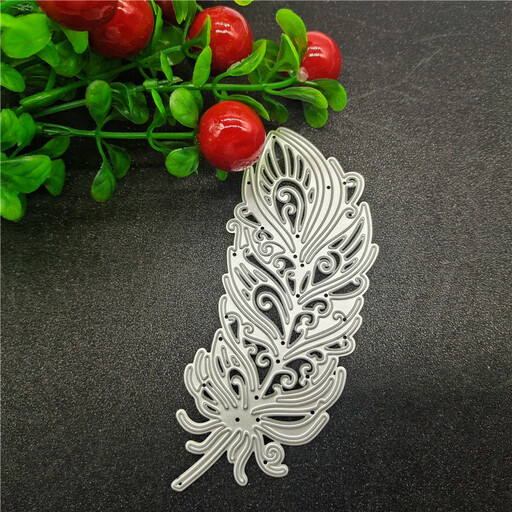
Why This Fits Their Persona: This die is ideal for crafters who need a foundational design element. The leaf motif is non-seasonal and can be used for everything from birthday cards to general scrapbook layouts, making it a highly practical addition to any collection.
The simple, open design ensures pressure is distributed evenly during cutting, reducing the risk of incomplete cuts that can happen with overly complex, low-quality dies.
Made from durable carbon steel for longevity. Its versatile design offers excellent value and can be used across a wide range of projects.
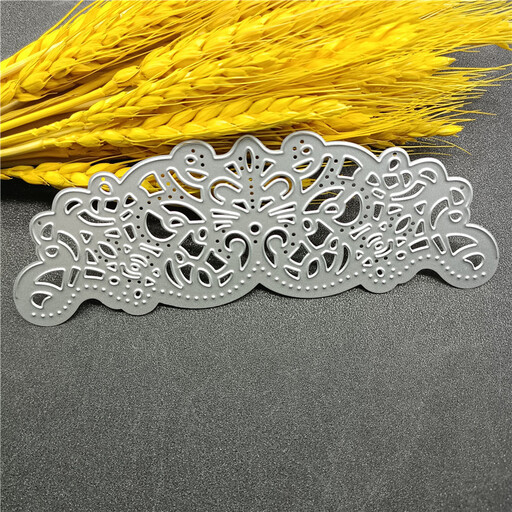
Why This Fits Their Persona: For the crafter who wants to create elegant, professional-looking cards and scrapbook pages. This die adds a delicate lace edge, perfect for wedding stationery, anniversary cards or adding a sophisticated touch to any project.
Intricate dies are prone to poor cutting. This one is constructed with a deep etch to ensure all the fine details cut cleanly without tearing the paper, avoiding the common pitfall of fuzzy, undefined patterns.
Creates a highly detailed decorative border. The carbon steel construction ensures it can handle the pressure needed for such an intricate design without warping.
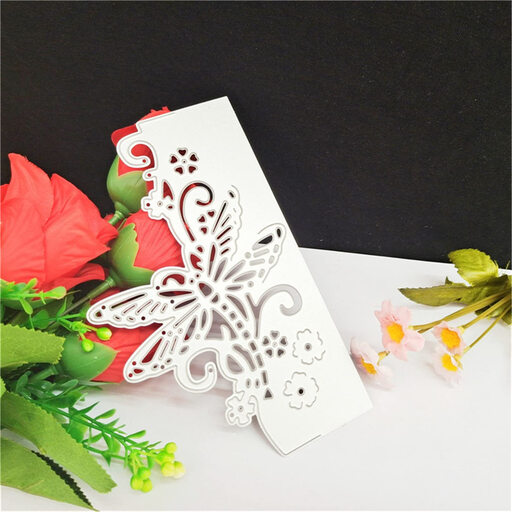
Why This Fits Their Persona: Perfect for the UK crafter who loves to create handmade Christmas cards, gift tags and festive decorations. This die provides a classic "Merry Christmas" sentiment and background elements to build a complete festive scene.
The clear product dimensions are listed, allowing you to check compatibility with your machine before purchase, avoiding the disappointment of a die that is too large for your annual Christmas card production line.
This is a themed, multi-element die that allows for layering and creating dimensional cards. It is a cost-effective way to get multiple coordinated shapes in one set.
We have compiled a complete, real-time list of products that fully satisfy these strict selection criteria and UK safety regulations.
Warping is usually caused by excessive pressure or using a die made of flimsy metal. To prevent it, ensure you are using the correct "sandwich" of plates for your machine as recommended by the manufacturer. For very intricate dies, you may need an extra pass with standard pressure rather than one pass with excessive pressure. Most importantly, investing in dies made from high-carbon steel will significantly reduce the risk of bending.
Yes, many metal cutting dies can cut through a range of materials. Besides paper and cardstock, they can often handle vellum, thin craft foam, shrink plastic and fabric backed with a stabiliser. Always start with a test piece and check your die-cutting machine's manual, as cutting very thick or tough materials can dull the die or damage your machine.
A cutting die has a raised, sharp edge designed to cut a shape out of paper. An embossing stencil or folder, on the other hand, has a recessed design that presses a pattern into the paper without cutting it, creating a raised, textured effect. Some thin metal dies can be used for embossing by using a rubber embossing mat in your machine's plate sandwich, which prevents the die from cutting through the paper.