
24/7 全天候客户支持

免费退货

当日/次日达

品质保障

开启新人专享福利: 全场免邮 | 低至 2 折 | 免费试用 30 天 JoyPlus 会员
下载 Joybuy
There's a unique satisfaction in creating something beautiful with your own hands, whether it's a heartfelt birthday card or a meticulously designed scrapbook page. Metal cutting dies are central to this process, promising crisp, professional shapes every time. Yet, many UK crafters find their creative flow interrupted by tools that simply don't perform as advertised.
Before you add another die to your collection, it's worth knowing about the common purchasing pitfalls that lead to wasted money and frustration. Many crafters find themselves with:
By understanding what truly matters in a die's construction, you can sidestep these issues and invest in paper craft tools that will serve you well for years to come.
Navigating the market for metal cutting dies is simpler when you know which technical details have the biggest impact on performance. Focus on these three areas to ensure you're getting a quality tool.
The material of the die is the foundation of its performance and longevity. While many products look similar, their composition can vary significantly.
The part of the die that does the work is the raised cutting edge. Its quality determines the final result. When looking at a product, pay close attention to the sharpness and depth of these lines. A well-made die will have a distinct, deeply etched edge that looks and feels sharp. This is what allows it to slice cleanly through paper fibres rather than just crushing them, which is essential for creating professional-looking die cuts for crafting. Shallow or rounded edges are a primary cause of messy, incomplete cuts.
Most metal cutting dies are designed to be compatible with the majority of personal die-cutting machines available in the UK. These machines work by using a "sandwich" of plates that apply even pressure to the die and paper. For this to work correctly, the die must be of a standard thickness. A die that is too thin may not have enough pressure applied to cut properly, while one that is too thick may not fit or could even damage your machine. Always check that a die is described as being compatible with standard die-cutting systems.
To help you choose with confidence, we've matched some popular designs to different types of crafters, highlighting how they address the common pitfalls.
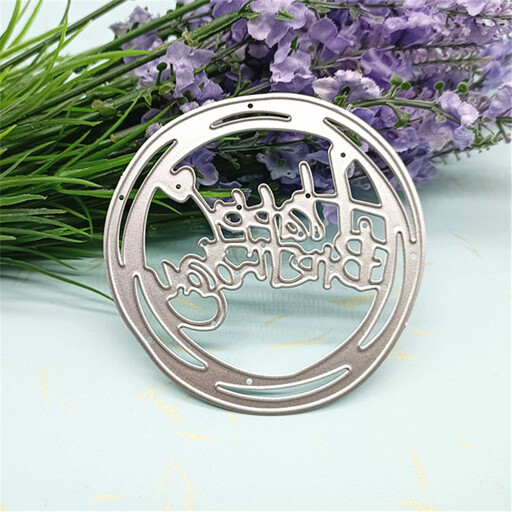
Why This Fits Their Persona: Perfect for those who primarily make cards for special occasions. This die provides a core sentiment that can be used year after year, offering excellent value and utility for the most common card-making event in any UK household.
This single, high-utility design avoids the pitfall of "bargain sets" filled with tiny, unusable shapes. You get one versatile and elegant script that you will actually use repeatedly.
The clean, modern font is timeless and suitable for all ages. Its solid construction ensures it can be a reliable part of your core card making supplies.
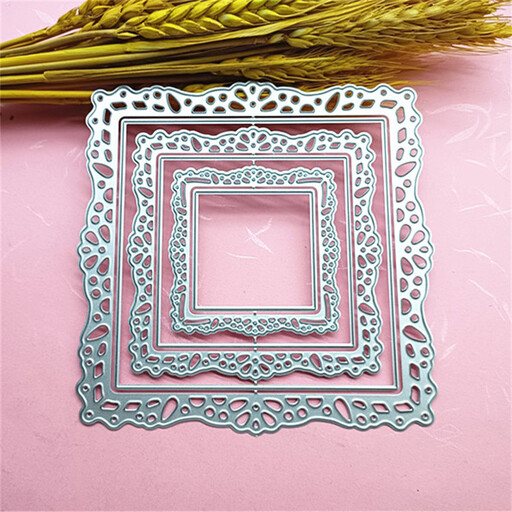
Why This Fits Their Persona: For the crafter who builds detailed scrapbook pages, a large background die is a cornerstone tool. This design creates an intricate lace foundation, adding texture and elegance to a full page or a large card front with a single pass.
Large, intricate dies are most at risk of warping. This die's interconnected geometric pattern provides structural integrity, helping it resist bending under pressure and ensuring a consistent cut across its entire surface.
This single die creates a high-impact background, saving time and effort. It serves as a beautiful base for layering smaller scrapbooking embellishments and photos.
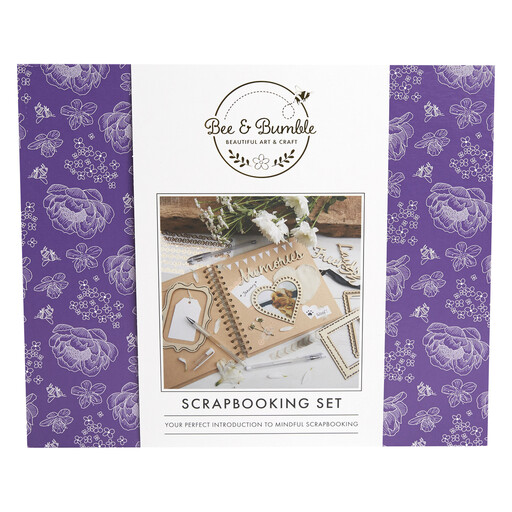
Why This Fits Their Persona: This is the ideal starting point for anyone new to paper crafts. It's a complete DIY scrapbook kit that removes the guesswork of sourcing individual components, providing a curated collection of coordinated materials to begin creating immediately.
Instead of buying potentially mismatched or low-quality individual items, this kit provides a cohesive set of quality components, from the sturdy kraft paper scrapbook to the wooden embellishments and metallic pens.
This all-in-one solution is not only convenient but also makes a thoughtful gift. The spiral binding is particularly practical, allowing the book to lie flat and expand as you add photos and mementos.
We have compiled a complete, real-time list of products that fully satisfy these strict selection criteria and UK safety regulations.
The best prevention is to purchase dies made from thick carbon steel. However, you can also protect your dies by ensuring you are using the correct "sandwich" of plates for your specific machine. Using too much pressure or an incorrect plate combination is a common cause of warping. Store your dies flat, preferably on magnetic sheets, to prevent them from getting bent or damaged.
While they can look similar, they serve different functions. A metal cutting die has a sharp, raised edge designed to cut completely through paper. An embossing stencil or folder has a recessed design that impresses a pattern onto the paper without cutting it, creating a raised, textured effect. Some thin dies can be used for embossing with the right rubber mat in your machine, but their primary purpose is cutting.
Most thin metal dies, often called "wafer-thin" dies, are designed with a universal thickness that makes them compatible with the majority of popular die-cutting machines (e.g., Sizzix, Cricut and Spellbinders). However, it is always a good practice to check the product description for compatibility notes. The key is having the correct combination of cutting plates and shims for your specific machine model.