
24/7 Customer Support

Free returns

Same-day & Next-day Delivery

Quality Guaranteed

Unlock Your Welcome Offers: FREE Delivery | Up to 80% OFF | Free 30-day JoyPlus trial
Download the APP
As a Joybuy Product Recommendation Officer, my role is to help you navigate the crowded market of craft supplies. When it comes to metal cutting dies, the difference between a crisp, professional-looking creation and a frustrating pile of torn paper often comes down to the quality of the tool itself. Many crafters in the UK have faced the disappointment of a die that doesn't live up to its promise. Before you add another one to your basket, let's look at the common pitfalls and how to avoid them.
The most frequent issues stem from a few key areas. Firstly, there's the problem of flimsy materials; dies that bend or warp after just a few passes through a machine are a false economy. Secondly, poorly defined cutting edges can tear or fray your cardstock instead of slicing through it cleanly, ruining intricate designs. Finally, a die might simply be incompatible with the standard die-cutting machines widely used in the UK, making it a useless piece of metal.
To ensure your next project is a success, focusing on a few core parameters can make all the difference. These are the non-negotiable details to verify before you commit to a purchase.
The material of your die is the foundation of its performance and longevity. While many listings are vague, you should look for dies made from 100% carbon steel. This material offers the necessary hardness to maintain a sharp cutting edge over hundreds of uses. Softer metal alloys, often found in cheaper, unbranded options, are prone to dulling quickly and can even bend under the pressure of a die-cutting machine, especially when cutting thicker cardstock. A carbon steel die provides the rigidity needed for consistent, clean cuts, making it a reliable choice for everything from simple shapes to complex scrapbooking dies.
A beautiful design is only useful if the die can execute it properly. The physical construction of the die is critical. A quality die will have a noticeable thickness and weight, contributing to its durability.
More importantly, inspect the cutting edge itself. It should be raised and well-defined. This is what allows the die to cut cleanly through paper fibres. Dies that also function as embossing dies will have both a sharp cutting ridge and shallower, rounded ridges to create impressions without cutting. If these elements are not precisely manufactured, you will get messy results. These tools are more than just paper craft stencils; they are precision instruments.
A common oversight is failing to check if a die is compatible with your cutting machine. While most thin metal dies are designed to work with the majority of standard manual die-cutting machines, it's always wise to confirm. Check the product description for any notes on compatibility. The thickness of the die is the main factor here. Overly thick dies may not fit, while extremely thin ones might not have enough height to cut through material effectively, even with the correct sandwich of cutting plates. Ensuring compatibility saves you the time and hassle of a return.
To help you choose, we've matched some options to different types of crafters, focusing on how they address the common purchasing pitfalls.
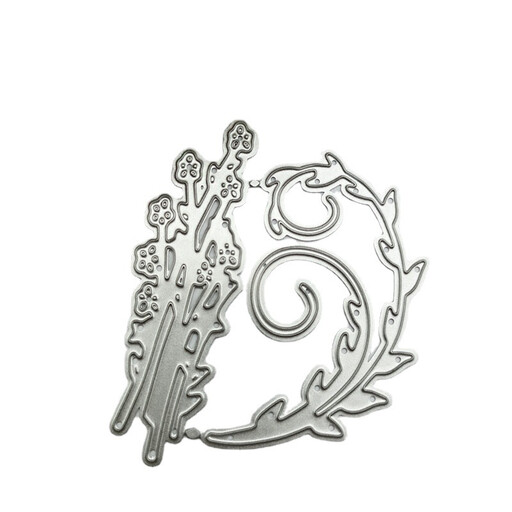
Why This Fits Their Persona: Ideal for those new to die-cutting in the UK who want to build a collection of versatile shapes without a large initial outlay. These floral and foliage designs are staples for year-round card making and scrapbooking.
These dies are made from durable carbon steel, making them resistant to bending. Their simple, clean lines ensure a crisp cut on standard cardstock, avoiding the tearing common with lower-quality, intricate dies.
Provides fundamental, reusable shapes for a variety of projects. An affordable entry point into the world of DIY craft tools.
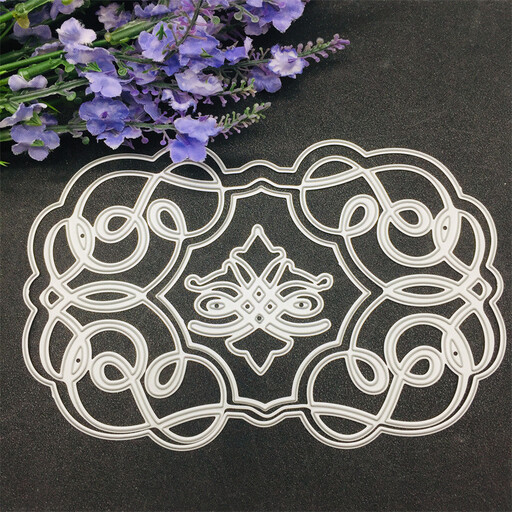
Why This Fits Their Persona: For the crafter specialising in elegant greeting cards, wedding stationery or intricate scrapbook pages. This die creates a sophisticated lace border that elevates a simple piece of card.
Intricate designs like this require sharp, precise etching to avoid tearing the paper. This die's defined edges are designed to handle detailed patterns, providing clean die cuts for card making without snagging.
Adds a high-end, professional finish to paper crafts. The border design is versatile for framing and edging on standard A6 and A5 cards.
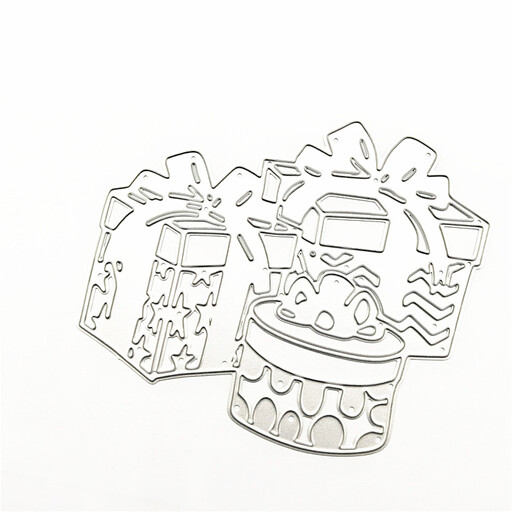
Why This Fits Their Persona: Perfect for small business owners creating their own packaging, or hobbyists making party favours and gift boxes. This die cuts and scores a complete box template in one pass.
This is a functional die, not just a decorative one. It avoids the pitfall of poor construction by integrating both cutting and scoring lines, which must be precisely aligned for the box to fold correctly.
Creates functional, three-dimensional items. It streamlines the process of making multiple identical boxes, ensuring consistency for products or events.
We have compiled a complete, real-time list of products that fully satisfy these strict selection criteria and UK safety regulations.
Warping is usually caused by uneven pressure or using the same cutting path on your plates repeatedly. To prevent this, rotate and flip your cutting plates regularly. Also, try placing your die at a slight angle on the cutting plate instead of perfectly straight, as this allows the machine's rollers to apply pressure more gradually across the die.
Yes, but with limitations. Most standard metal cutting dies can cut through thin materials like vellum, light fabric (with a stabiliser) and craft foam. However, always check the die's specifications. Attempting to cut materials that are too thick or dense, such as chipboard or leather, can damage both the die and your machine.
After use, small pieces of paper can get stuck in the die. Use a die pick or brush to gently poke them out. For storage, magnetic sheets placed inside folders or shallow boxes are an excellent solution. This keeps them organised, flat and prevents them from getting lost or damaged by knocking against each other.