
24/7 Customer Support

Free returns

Same-day & Next-day Delivery

Quality Guaranteed

Unlock Your Welcome Offers: FREE Delivery | Up to 80% OFF | Free 30-day JoyPlus trial
Download the APP
For many of us in the UK, the thought of a rich, tender beef stew or a fall-off-the-bone lamb shank is the perfect end to a long day. The reality, however, is often a choice between a hastily prepared meal or hours spent watching a pot simmer. The micro pressure pot has emerged as a popular solution, promising slow-cooked results at a fraction of the time.
But as with any popular kitchen gadget, the market is filled with options that can be confusing. Many busy home cooks invest in a new pot only to find it doesn't deliver on its promises. As a Joybuy Product Recommendation Officer, my role is to help you navigate these choices and identify the features that truly matter. Before you buy, be aware of these common purchasing pitfalls.
To ensure you're investing in a durable and effective piece of cookware, focus on these three non-negotiable parameters.
A genuine micro pressure pot creates a slightly pressurised environment (around 2-3 kPa), which raises the boiling point of water and forces moisture into the food more quickly. Look for a lid that features a silicone gasket for a tight seal and a weighted pressure-limiting valve. This valve is the key component that regulates the internal pressure and allows for safe, controlled steam release. Without it, you simply have a regular pot for stewing.
For longevity and health, the material of your pot is paramount. Food-grade SUS304 stainless steel cookware is an excellent choice. This material is non-reactive, meaning it won't impart a metallic taste to your food and it contains no chemical coatings that could degrade over time. For use on modern hobs, ensure the pot has a composite bonded base. This layered construction, typically combining stainless steel and a highly conductive material like aluminium, ensures even heat distribution and makes the pot truly induction-compatible.
For most families, a 6L stew pot offers the ideal balance, providing enough space for batch cooking or preparing a large family meal without being excessively bulky. Beyond size, inspect the safety features. Look for sturdy, double anti-scald handles that remain cool to the touch. A transparent, tempered glass lid is also highly practical, allowing you to monitor your cooking without releasing heat and pressure. Finally, a simple and quick pressure release system is essential for safe and convenient daily use.
Based on these practical criteria, here are some recommendations matched to different kitchen needs.
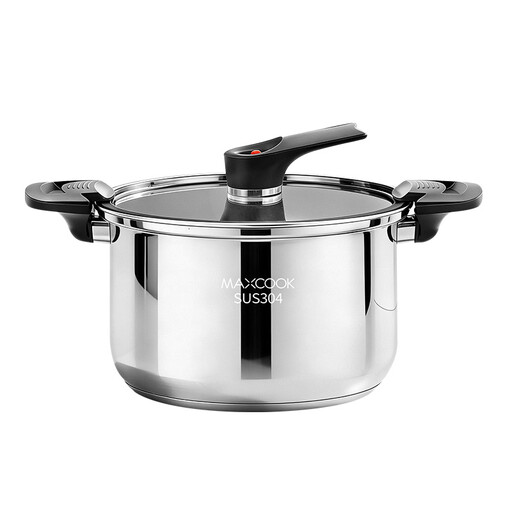
Why This Fits Their Persona: This pot is ideal for households needing to get hearty, tender meals on the table quickly. The 6L capacity is perfect for preparing family-sized stews, curries or soups, saving precious time on weeknights.
It features a genuine micro-pressure system with a steam vent and a 5-second pressure release, not just a heavy lid. The body is made from coating-free SUS304 stainless steel with a composite base, ensuring true induction compatibility and food safety.
Features three cooking modes for versatility and dual anti-overflow protection. The double anti-scald handles provide a secure, safe grip during handling.
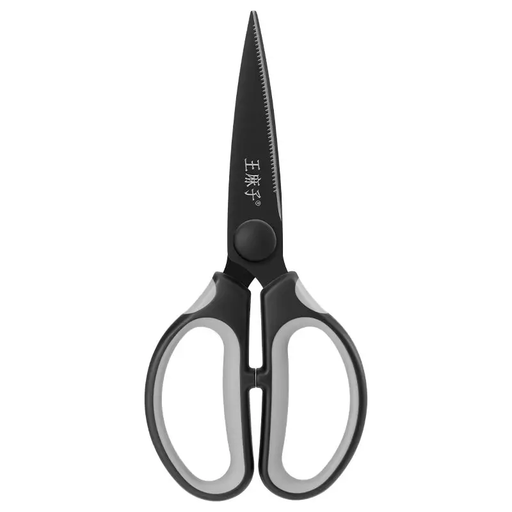
Why This Fits Their Persona: For the cook who values efficiency at every stage. These scissors are a perfect companion for a stew pot, allowing for quick and safe trimming of meat, spatchcocking chicken or snipping herbs directly into the pot.
Avoids the trap of using flimsy, inappropriate tools for tough jobs. These are purpose-built to cut through poultry bones and tough sinew, preventing the slips and accidents that can happen with a less capable knife or standard scissors.
Crafted from food-grade stainless steel with a rust-resistant titanium coating for durability. The large, ergonomic handles provide a comfortable, non-slip grip.
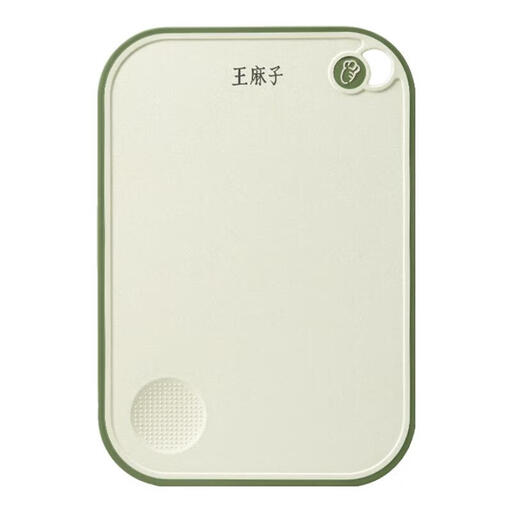
Why This Fits Their Persona: An essential tool for anyone serious about food safety. This board is perfect for preparing raw meat and vegetables for the stew pot, with features designed to minimise cross-contamination and keep the kitchen workspace clean.
It sidesteps the risks of porous wooden or heavily scarred plastic boards that can harbour bacteria. The food-grade, antibacterial and mould-resistant surface provides a more hygienic preparation area, ensuring your final dish is safe and wholesome.
Features a double-sided design for separating cooked and raw foods. It is easy to clean and designed for household use, making it a practical addition to any kitchen.
We have compiled a complete, real-time list of products that fully satisfy these strict selection criteria and UK safety regulations.
A micro pressure pot operates at a much lower and gentler pressure than a traditional high-pressure cooker. This makes it inherently simpler and safer for daily use, as it doesn't require complex locking lids or have the same intensity of pressure build-up. It offers a perfect middle ground: significantly faster than a conventional pot but less intense than a full pressure cooker, ideal for tenderising meats and infusing flavours quickly.
You can, but only if the pot is explicitly designed as an induction compatible stock pot. To work on an induction hob, the base of the cookware must be magnetic. Always look for specifications that mention a "composite," "bonded" or "encapsulated" base and confirm compatibility with induction hobs before purchasing.
To get the most out of your stainless steel cookware, always preheat the pot on low to medium heat before adding oil or food. High heat is a common cause of sticking. Avoid heating the pot while empty for extended periods. To prevent pitting, add salt only after liquids have started to boil. For general cleaning, a soft cloth and mild detergent are sufficient. If you notice a rainbow-like discolouration (a harmless reaction to heat), simply wiping the pot with a cloth dampened with white vinegar will usually restore its original finish.