
24/7 Customer Support

Free returns

Same-day & Next-day Delivery

Quality Guaranteed

Unlock Your Welcome Offers: FREE Delivery | Up to 80% OFF | Free 30-day JoyPlus trial
Download the APP
Keeping a home looking its best can feel like a constant battle against dust, smudges and spills. Many of us are also looking for ways to clean more effectively without relying on a cupboard full of harsh chemicals, while also being mindful of household budgets and environmental impact. This is where high-quality microfibre cleaning cloths come in.
As a Joybuy Product Recommendation Officer, my role is to help you navigate the options and find practical solutions that deliver on their promises. This guide is designed to explain what makes a great microfibre cloth and to highlight some dependable choices for various cleaning tasks around your home, from the kitchen to the car.
Not all cloths are created equal. Before you buy, consider these key factors to ensure you get the performance you need.
The magic of microfibre lies in its structure. These cloths are made from incredibly fine synthetic fibres, typically a blend of polyester and polyamide. A higher fibre density means more fibres are packed into the cloth, which generally translates to better absorbency and the ability to trap more dirt, dust and moisture. For example, some premium cloths boast a density of over 700,000 fibres per square centimetre.
The weave also matters. A plush, high-pile cloth is excellent for trapping dust, making it a great choice for washable dusters. A tighter, low-pile weave is often better for achieving streak-free cloths for cleaning glass and polished surfaces.
While many multipurpose cleaning towels can handle a variety of jobs, some tasks benefit from a specialised design. For greasy kitchen hobs or tough bathroom grime, a cloth with a scrubbing component can be invaluable. For delicate electronics or buffing your car, a softer, non-abrasive cloth is essential. Using a colour-coded system—one colour for the kitchen, another for the bathroom—is also a simple way to maintain hygiene and prevent cross-contamination.
One of the most significant advantages of microfibre is its potential for eco-friendly cleaning. A well-made cloth can be washed and reused hundreds of times, reducing waste and saving you money on disposable wipes. Look for cloths with strong edge stitching, as this prevents fraying and extends their lifespan. To maintain their effectiveness, always wash them without fabric softener, which can clog the fibres and reduce their ability to attract dirt.
Here are a few standout options that cater to different cleaning needs, selected for their features and versatility.
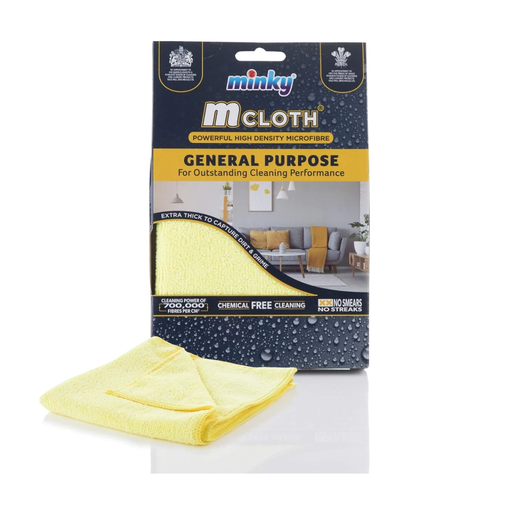
Why It Stands Out: This cloth is a true workhorse, built for powerful, all-around cleaning. Its main advantage is its exceptionally high fibre density—700,000 fibres per cm?—which allows it to lift and trap dust, grease and grime with remarkable efficiency, often with just water.
Pros:
Who is it for? Anyone seeking a single, high-performance cloth for daily cleaning tasks all over the home, from wiping down surfaces to tackling spills.
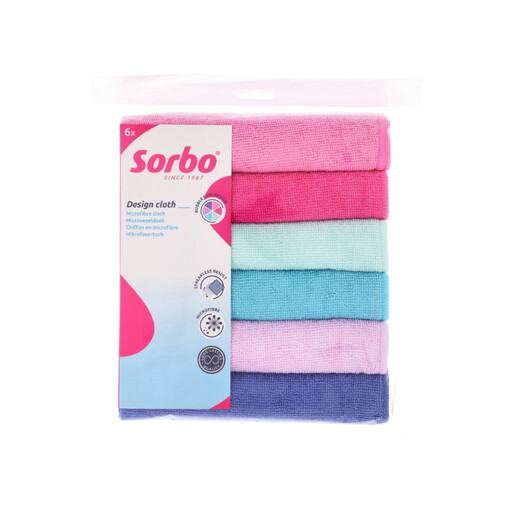
Why It Stands Out: This multi-pack offers excellent value and versatility. The six extra-large cloths come in different colours, making it easy to assign them to specific areas like the kitchen, bathroom or for car cleaning cloths, promoting a more hygienic routine.
Pros:
Who is it for? Households looking for a complete set of multipurpose cleaning towels to cover every job and for those who appreciate the organisation of a colour-coded system.
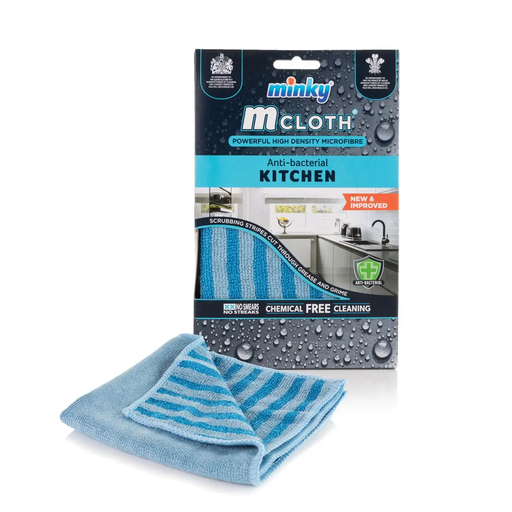
Why It Stands Out: Specifically designed for the heart of the home, this is one of the most practical kitchen cloths available. Its dual-sided design features non-scratch scrubbing stripes to tackle burnt-on food and grease, while the soft side is perfect for polishing hobs and shiny taps.
Pros:
Who is it for? Anyone who needs a more robust cleaning tool for the kitchen that can handle everything from greasy spills to polishing stainless steel appliances.
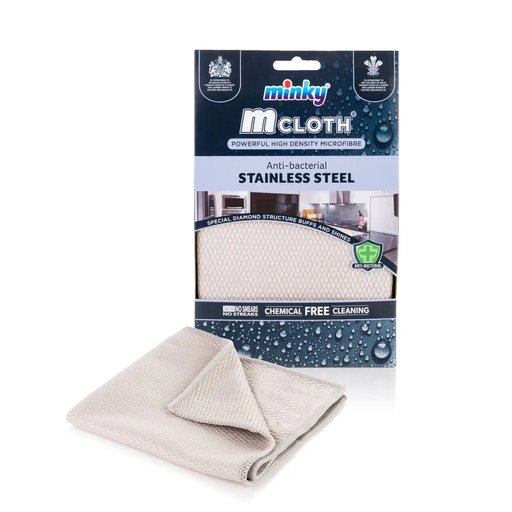
Why It Stands Out: This cloth is a specialist tool for achieving a flawless finish on shiny surfaces. Its unique specialist diamond structure is engineered to lift fingerprints and water marks from stainless steel, chrome and granite, leaving a sparkling, buffed finish.
Pros:
Who is it for? Those who take pride in spotless appliances and fixtures and want a dedicated tool to keep stainless steel, chrome and ceramic surfaces looking pristine.
If our recommendations don't quite match what you're looking for or if you'd like to see a wider selection of cleaning tools, feel free to explore our complete collection of brushed fabric cleaning solutions.
Yes, for many everyday cleaning tasks, water is all you need. The microscopic fibres are designed to mechanically grab and hold onto dust, dirt and bacteria. When the cloth is damp, the water helps to break down grime, which is then trapped by the fibres. For heavily soiled or greasy areas, a mild cleaning solution can be used, but you'll often find you need less product than with traditional cloths.
To keep your reusable cleaning cloths in top condition, machine wash them with a standard laundry detergent. It is important to avoid using fabric softener or bleach, as these can clog the fibres and diminish their cleaning ability. Wash them with non-linting items (avoid towels and fleece) and either air dry or tumble dry on a low heat setting.
Streaks are usually caused by one of three things: using too much water, a dirty cloth or residue from a previous cleaning product or fabric softener. For a streak-free finish, the cloth should be damp, not soaking wet—wring it out thoroughly before use. Ensure the cloth is clean, as a saturated cloth will only spread dirt around. Finally, if you've previously used fabric softener, a few washes may be needed to remove the residue.