
24/7 全天候客户支持

免费退货

当日/次日达

品质保障

开启新人专享福利: 全场免邮 | 低至 2 折 | 免费试用 30 天 JoyPlus 会员
下载 Joybuy
Tired of leaving streaks on your windows, lint on your surfaces and using cloths that seem to just push dirt around? A simple switch in your cleaning tools can make a significant difference. The market is filled with options, but not all cloths are created equal. As the Joybuy Product Recommendation Officer, my role is to help you navigate these choices. This guide provides practical advice to help you find effective and durable microfibre cleaning cloths that deliver a brilliant clean every time.
Before you add a pack to your basket, a few key details can help you select the right tool for the job. Considering these points will ensure you get the performance and value you need for your home or vehicle.
The effectiveness of a microfibre cloth lies in its construction. The material is typically a blend of polyester and polyamide, split into ultra-fine fibres. High-quality cloths have a denser weave, meaning more fibres are packed into each square centimetre. For example, some premium cloths feature a density of over 700,000 fibres per cm?. This high density creates a larger surface area to trap dust, dirt and moisture, often allowing you to clean effectively with just water. For tasks like polishing, a dense, low-pile weave is ideal for achieving a streak-free finish.
While many multipurpose cloths are excellent for general dusting and wiping, some jobs require a more specialised tool.
One of the main advantages of microfibre is its durability. High-quality reusable cleaning cloths can be machine washed hundreds of time, making them a cost-effective and more sustainable choice than disposable wipes. For households or small businesses with high cleaning demands, purchasing bulk cleaning cloths can offer excellent long-term value, ensuring you always have a fresh, hygienic cloth on hand. Always check the washing instructions to maintain the cloth's static charge and cleaning power; it is generally advised to avoid fabric softeners.
Here are a few standout options that cater to different cleaning needs, from tough kitchen grime to all-around household chores.
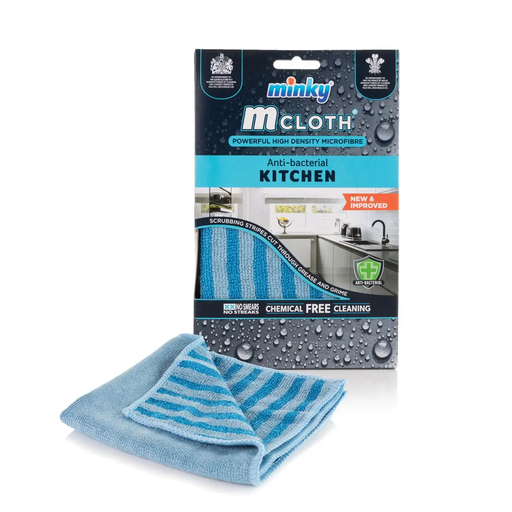
Why It Stands Out: This cloth is specifically engineered for the kitchen. Its dual-sided design provides both scrubbing power for stubborn messes and a soft side for polishing, making it a versatile tool for the heart of the home.
Pros:
Who is it for? Anyone looking for a single, powerful kitchen cloth designed to handle everything from greasy hobs to shiny taps.
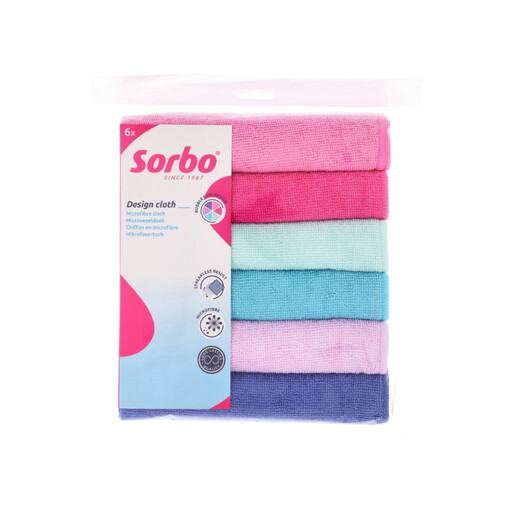
Why It Stands Out: This multi-pack offers exceptional versatility and value. The extra-large size makes quick work of bigger surfaces, and the different colours allow you to assign cloths to specific areas (e.g., kitchen, bathroom and dusting) to maintain a hygienic cleaning system.
Pros:
Who is it for? Households needing a set of reliable, multipurpose cloths for a wide range of tasks, from washing up to car cleaning.
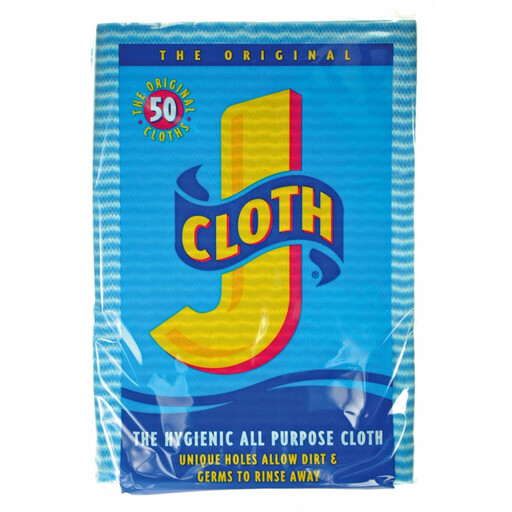
Why It Stands Out: A household name for a reason, the J Cloth offers impressive performance in a bulk package. Its unique open-hole structure is designed to pick up dirt and rinse clean easily, while its high absorbency makes it great for spills.
Pros:
Who is it for? Budget-conscious households, small businesses or anyone who prefers to buy bulk cleaning cloths to ensure they always have a fresh one ready.
Our recommendations cover some of the most common cleaning needs, but the world of cleaning cloths is vast. If you are searching for a different size, material or a specific colour for your cleaning system, you can explore a wider selection.
? Discover more cleaning solutions, including the classic yellow cloth, in our collection.
1. How do microfibre cleaning cloths actually work? Microfibre cloths are made from synthetic fibres, usually polyester and polyamide, that are split into microscopic strands. This process creates a positive charge that acts like a magnet for negatively charged dust and dirt particles. The vast number of tiny fibres provides a huge surface area to trap grime and absorb liquids, which is why they clean so effectively.
2. Can I wash microfibre cloths with my other laundry? For best results, it is advisable to wash microfibre cloths separately or with other non-linting synthetic materials. Washing them with cotton towels, for example, can cause lint to get trapped in the microfibres, reducing their cleaning effectiveness. Crucially, you should never use fabric softener or bleach, as these can clog the fibres and destroy their static charge.
3. How often should I replace my microfibre cloths? With proper care, a good quality microfibre cloth can last for hundreds of washes. You will know it is time for a replacement when it loses its softness, becomes less absorbent or starts leaving lint behind on surfaces. For hygiene, especially with washable dish cloths, regular replacement is a good practice.