What matters when choosing?
Decide whose voices must be recorded, then judge whether the hall is quiet enough for a shared recorder or calls for microphones placed close to individual speakers.
| Concern |
What to check |
Who this matters to |
| Clear speech in a busy hall |
Check the pickup pattern and whether a stand can hold the microphone close to the narrator; listen for room noise in a test recording. |
If conversation or ventilation competes with a seated narrator, I need their words to remain intelligible. Around 36% of consumers put speech clarity in a difficult room first. |
| Two distinct voices |
Check that there is a microphone for each speaker and how the recording device handles the two channels. |
When the interviewer’s questions matter too, I want both people captured at their own speaking positions. For around 29% of consumers, separate voice capture is the primary need. |
| Simple portable recording |
Check the recording and power arrangements, placement options and whether you can listen during a test. |
For a quiet sit-down interview, I would rather carry one recorder, provided I can place it near the conversation. Keeping the setup self-contained comes first for around 21% of consumers. |
| Detail at a quiet position |
Check room noise, stable microphone placement and the compatible recording equipment a condenser requires. |
If the room and speaking position are controlled, I can concentrate on capturing a detailed voice recording. Around 14% of consumers make that quiet-room priority their main concern. |
Joybuy products for these setups
These choices cover a two-transmitter wearable microphone kit and portable voice recorders for spoken interviews. For either approach, check the connection or placement you need and make a test recording in the hall.
 No image available
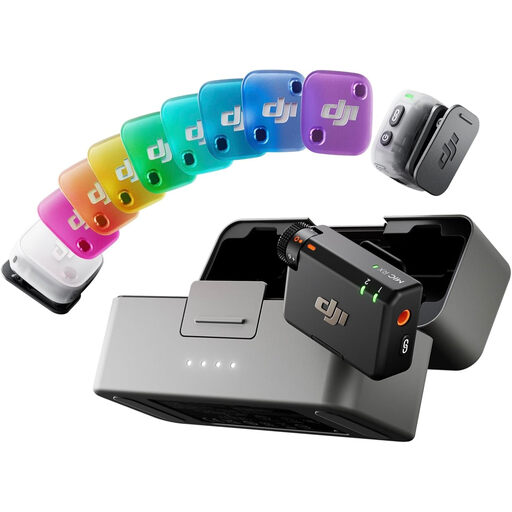
DJI Mic Mini 2 (2 TX + 1 RX + Charging Case)
Consider this kit when the interviewer and narrator each need a wearable microphone.
The named bundle has two transmitters, one receiver and a charging case. Before buying, check receiver compatibility with your recording device and how it records the two voices; test microphone placement and hall noise in the room.
View on Joybuy
 No image available
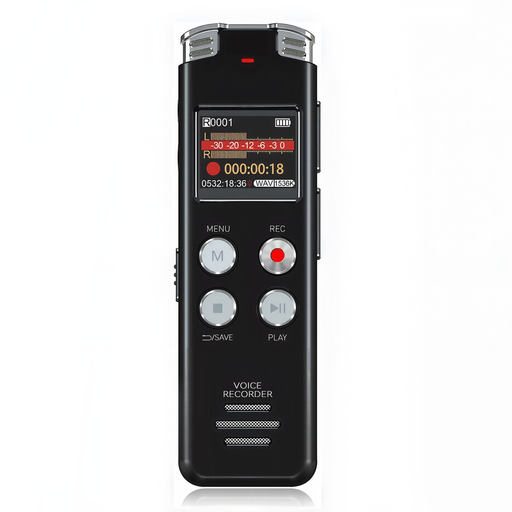
Rexsun L357 128GB Portable Voice Recorder with LCD Screen
Consider a self-contained recorder for a seated conversation when you can test a position close to the speakers.
This is the 128GB L357 variant with an LCD screen. Check its placement options and whether you can monitor the recording as it happens; assess speech clarity in the hall before relying on it.
View on Joybuy
 No image available
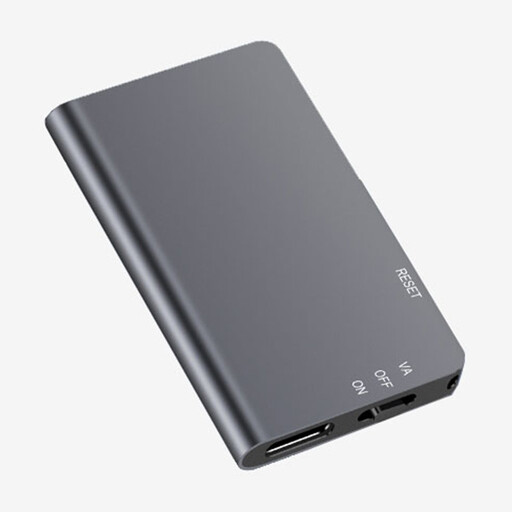
Rexsun L810 64GB Digital Voice Recorder
This one-touch recorder suits a straightforward spoken-interview setup if a short recording from the intended seats sounds clear.
It is the 64GB L810 variant. Check where it can be placed and whether your setup permits listening while recording; the described headphones are for playback.
View on Joybuy
Questions about recording in a hall
Is one microphone enough for an oral-history interview?
One microphone can serve a mainly seated narrator if it stays close to them. If the interviewer’s questions also need to be clear, give each person a microphone and check how the recording device captures both voices.
Should I put a portable recorder in the middle of the table?
Test that position before relying on it. Zoom’s H1essential manual warns that direct tabletop placement can introduce reflections that reduce clarity and recommends using a tripod.
What should I test before the interview starts?
Record a short exchange from the intended seats and listen for both voices, room noise and handling sounds. The Library of Congress advises testing equipment before an interview, checking battery levels and confirming that both microphones work.
Does 32-bit-float recording remove the need for a quiet room?
No. It can make recording levels less demanding to set, but it does not remove reverberation, overlapping voices or noise already picked up by a microphone. Listen to a test from the actual hall position.
What should we agree before recording someone’s oral history?
Agree what will be recorded and how the interview may be stored, accessed, shared or published before starting. An identifiable recording can contain personal data; the Information Commissioner’s Office says consent, when used, must be specific and informed. Check the organiser’s procedures for the intended use.


